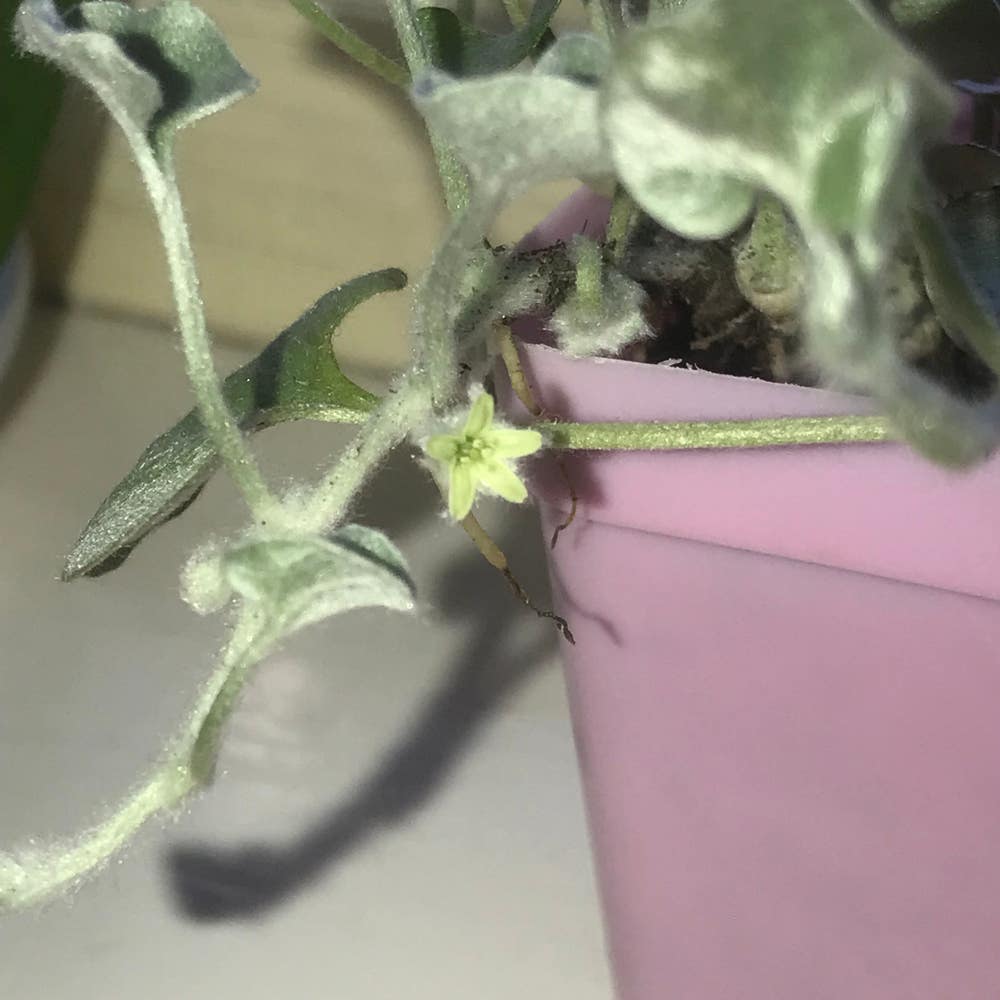
✨ Why Your Dichondra 'Silver Falls' Is Not Doing Well
Dichondra argentea 'Silver Falls'
By the Greg Editorial Team
Jan 08, 2025•5 min read
This article was created with the help of AI so we can cover more plants for you. May contain errors. See one? Report it here.
Transform your struggling Dichondra 'Silver Falls' 🌱 into a thriving beauty with these essential early detection tips!
- 🌱 Early signs of distress in Dichondra include wilting, discoloration, and stunted growth.
- 💧 Overwatering causes yellow leaves and root rot; underwatering leads to wilting.
- ☀️ Insufficient light results in leggy growth; optimize exposure for healthier plants.
Recognizing Unhealthy Plants
Symptoms of distress 🌱
When your Dichondra 'Silver Falls' starts to show signs of distress, it’s crucial to act quickly. Look for symptoms like wilting, discoloration, and stunted growth, which indicate that your plant is not thriving.
Monitoring the foliage is essential. If you notice the once-silver leaves turning yellow or brown, it’s a clear signal that something is off. Additionally, if the trailing stems aren’t extending as expected, this could point to underlying issues that need addressing.
Understanding the importance of early detection 🔍
Recognizing these symptoms early can make a significant difference in your plant's recovery. By staying vigilant and attentive to changes in your plant's appearance, you can take proactive steps to restore its health.
In the next section, we’ll dive into common problems that could be affecting your Dichondra 'Silver Falls' and how to tackle them effectively.
Common Problems
💧 Incorrect watering
Identifying overwatering and underwatering
Watering is crucial for your Dichondra 'Silver Falls,' but getting it right can be tricky. Overwatering often leads to yellowing leaves, mushy stems, and root rot, while underwatering results in wilting, dry leaves, and crispy edges.
Causes and solutions
Several factors can contribute to watering issues. Poor drainage in pots or soil and inconsistent watering schedules are common culprits.
- Assess soil moisture: Use a moisture meter or your finger to check the soil.
- Adjust watering frequency: Water when the top inch of soil feels dry.
- Improve drainage: Opt for well-draining soil and pots with drainage holes.
💡 Incorrect light conditions
Signs and effects
Light conditions significantly impact your plant's health. Inadequate light can cause leggy growth and sparse foliage, while excessive light may lead to leaf scorching and faded color.
Solutions
To remedy light issues, consider relocating your plant. Move it to a brighter or shadier spot as needed, or use sheer curtains for indoor plants to diffuse harsh sunlight.
🌡️ Incorrect temperature
Symptoms and ideal range
Temperature fluctuations can stress your Dichondra. Symptoms include wilting or drooping leaves in extreme heat or cold. Ideally, your plant thrives in temperatures between 60°F to 75°F (15°C to 24°C).
Management strategies
To manage temperature effectively, use mulch to regulate soil temperature. Additionally, bring potted plants indoors during extreme weather to protect them.
🐛 Pests
Common pests and identification
Pests can wreak havoc on your plants. Common offenders include aphids, spider mites, and whiteflies. Look for signs like sticky residue, webbing, or visible insects on leaves.
Treatment options
Combat pests with these strategies:
- Neem oil or insecticidal soap: Effective for soft-bodied pests.
- Introduce beneficial insects: Ladybugs can help control pest populations.
- Regular inspections: Check your plants frequently for early signs of infestation.
🦠 Diseases
Common diseases and symptoms
Dichondra can fall victim to various diseases. Watch for powdery mildew (white spots), rust (orange or yellow spots), black rot (dark lesions), and blight (rapid wilting and browning).
Treatment and prevention
To tackle diseases, follow these steps:
- Improve air circulation: Ensure good airflow around your plants.
- Apply fungicides: Use them as needed for severe cases.
- Remove infected leaves: Promptly eliminate any affected foliage to prevent spread.
🌱 Root problems
Identifying root rot
Root rot is a serious issue for your plant. Signs include a foul smell, mushy roots, and stunted growth.
Causes and solutions
Root rot often results from overwatering and poor drainage. To address this:
- Remove the plant from the pot: Inspect the roots carefully.
- Trim away rotten roots: Cut off any damaged roots and repot in fresh, well-draining soil.
- Adjust watering practices: Modify your watering habits to prevent recurrence.
🍃 Leaf issues
Symptoms and causes
Leaf problems can manifest as scorching (brown edges and tips) or yellowing (overall discoloration), often indicating nutrient deficiencies.
Solutions
To remedy leaf issues:
- Adjust light exposure and watering habits: Ensure your plant gets the right conditions.
- Fertilize: Use a balanced fertilizer to address any nutrient deficiencies.
🌿 Growth problems
Identifying leggy and etiolated growth
Leggy growth is a sign of trouble. Look for elongated stems with sparse leaves and a leaning growth habit.
Causes and strategies
Insufficient light and improper watering practices often lead to these issues. To promote healthier growth:
- Increase light exposure gradually: Help your plant adjust to brighter conditions.
- Prune leggy stems: This encourages bushier growth and a more robust appearance.
By addressing these common problems, you can help your Dichondra 'Silver Falls' thrive. Next, let's explore preventive measures to keep your plant healthy year-round.
Preventive Measures
Best Practices 🌱
To keep your Dichondra 'Silver Falls' thriving, establish a consistent watering schedule. Consider using the Greg plant care app to help you track your watering needs effectively.
Regularly monitor light conditions to ensure your plant receives optimal exposure. This simple step can prevent many common issues related to inadequate or excessive light.
Seasonal Care Reminders 🌦️
Adjust your care practices based on seasonal changes. For instance, your plant will need more water during the hot summer months and less as temperatures drop in winter.
Being mindful of these seasonal shifts can significantly enhance your plant's health and growth.
Importance of Regular Monitoring 🔍
Conduct weekly checks for pests, diseases, and overall plant health. Early detection of issues leads to more effective treatment and healthier plants.
By staying proactive, you can enjoy a flourishing Dichondra 'Silver Falls' that brings beauty to your space.
⚠️ Safety First
This content is for general information and may contain errors, omissions, or outdated details. It is not medical, veterinary advice, or an endorsement of therapeutic claims.
Always consult a qualified healthcare professional before using any plant as food, medicine, or supplement.
Never eat any plant (or feed one to pets) without confirming its identity with at least two trusted sources.
If you suspect poisoning, call Poison Control (800) 222-1222, the Pet Poison Helpline (800) 213-6680, or your local emergency service immediately.
Spotted an error? Please report it here.
Keep your Dichondra 'Silver Falls' thriving 🌿 by using Greg's personalized watering reminders and pest management tips to catch distress signs early and adjust your care routine!