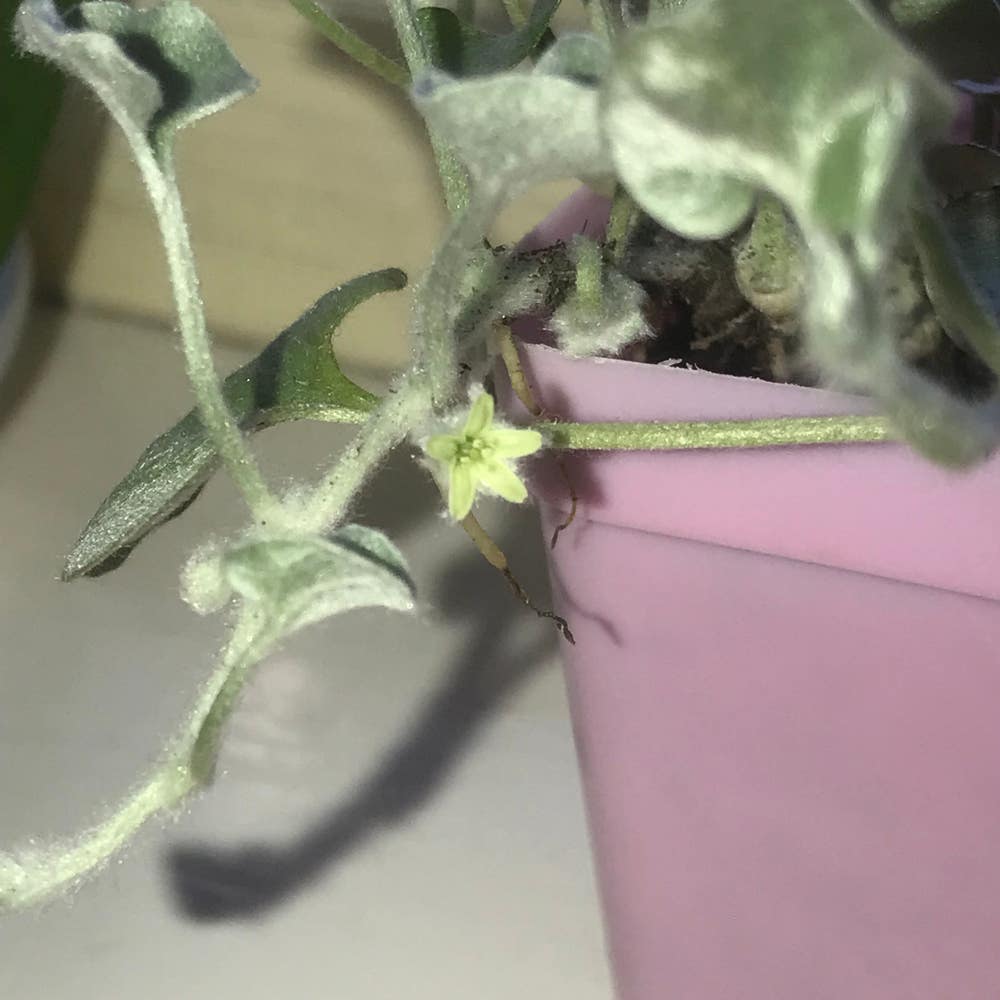
🌸 6 Factors Affecting Dichondra 'Silver Falls' Flowering
Dichondra argentea 'Silver Falls'
By the Greg Editorial Team
Jan 08, 2025•5 min read
This article was created with the help of AI so we can cover more plants for you. May contain errors. See one? Report it here.
Transform your Dichondra 'Silver Falls' into a blooming beauty with essential care tips for light and nutrients! 🌱
- 🌞 Dichondra 'Silver Falls' needs 6-8 hours of indirect sunlight for optimal flowering.
- 🌱 Nutrient balance, including NPK and micronutrients, is crucial for vibrant blooms.
- ✂️ Pruning in early spring promotes bushier growth and more flowers.
Light Requirements and Flowering
🌞 Importance of Sunlight for Blooming
Dichondra 'Silver Falls' thrives on 6-8 hours of indirect sunlight each day. This exposure is crucial, as light fuels photosynthesis, the process that drives flower production and overall plant health.
💡 Effects of Too Much or Too Little Light
Insufficient light can lead to stunted growth and fewer blooms, leaving your plant looking lackluster. Conversely, too much light can cause leaf scorch and diminish flower quality, creating a less vibrant display.
To enhance flowering, adjust light exposure by relocating your plant or using sheer curtains to filter harsh sunlight. Monitoring your plant's response will help you find the perfect balance for optimal growth.
Nutritional Needs and Flower Development
🌱 Key Nutrients for Flowering
To thrive and produce stunning blooms, Dichondra 'Silver Falls' requires a balanced intake of essential nutrients. The primary trio—nitrogen, phosphorus, and potassium (NPK)—plays a crucial role in promoting healthy growth and vibrant flowers.
Nitrogen fuels lush foliage, phosphorus supports root and flower development, while potassium enhances overall plant health. Additionally, micronutrients like magnesium and calcium are vital for flower formation, ensuring your plants reach their full potential.
⚠️ Signs of Nutrient Deficiencies
Recognizing nutrient deficiencies early can save your plants from significant stress. For instance, yellowing leaves often signal a nitrogen deficiency, indicating that your plant is struggling to produce the lush green foliage it needs.
On the other hand, poor flower formation can stem from a lack of phosphorus. To combat these issues, establish a fertilization schedule that includes high-quality fertilizers rich in NPK, along with the necessary micronutrients. Regular feeding will keep your Dichondra healthy and blooming beautifully.
In summary, understanding and addressing the nutritional needs of your Dichondra 'Silver Falls' is essential for vibrant flowering. By ensuring proper nutrient levels, you can enjoy a flourishing display of this stunning plant. Next, let’s explore how pruning techniques can further enhance your plant's flowering potential.
Pruning Techniques and Their Impact
🌸 Best Practices for Pruning to Encourage Blooms
Pruning Dichondra 'Silver Falls' at the right time is crucial for promoting vibrant blooms. Aim to prune in early spring, just before the growing season kicks off.
Utilize techniques like pinching back the growth. This encourages a bushier plant, leading to more flowers and a fuller appearance.
⏰ Timing of Pruning for Optimal Flowering
Seasonal pruning plays a significant role in the bloom cycle. Pruning at the right time can enhance flower development, ensuring your plants thrive.
Be cautious with late-season pruning; it can lead to bud drop. By avoiding this, you help maintain the integrity of your blooms and enjoy a more robust flowering display.
With proper pruning techniques, you can significantly enhance the flowering potential of your Dichondra 'Silver Falls'. Next, let’s explore how environmental stress factors can also impact flowering.
Environmental Stress Factors
🌡️ Effects of Temperature Fluctuations
Maintaining the right temperature is crucial for the flowering of Dichondra 'Silver Falls.' The ideal range is between 15°C to 25°C (59°F to 77°F), where the plant thrives and produces vibrant blooms.
Extreme temperatures can wreak havoc on your plants. High heat can lead to bud drop, while cold snaps may stunt growth and diminish flower quality. Keeping an eye on temperature fluctuations is essential for a flourishing garden.
💧 Soil Moisture Levels and Their Impact on Flowering
Soil moisture plays a significant role in the health of your Dichondra. Well-drained soil is vital to prevent root rot, which can severely hinder blooming.
Overwatering is a common mistake that can lead to wilting, yellowing leaves, and even bud drop. To maintain optimal moisture levels, ensure your soil drains well and only water when the top inch feels dry. This simple practice can make a world of difference in your plant's flowering success.
By understanding these environmental stress factors, you can create the perfect conditions for your Dichondra 'Silver Falls' to thrive. Next, let's explore how nutritional needs influence flower development.
Pest and Disease Management
🐞 Common Pests Affecting Flowers
Pests can wreak havoc on your Dichondra 'Silver Falls,' so it's crucial to stay vigilant. Aphids are tiny, soft-bodied insects that suck the sap from your plants, leading to yellowing leaves and stunted growth.
To control aphids, consider introducing natural predators like ladybugs or using insecticidal soap. Regularly inspect your plants to catch infestations early.
Spider mites are another common threat. These minuscule pests create fine webs and cause leaves to appear speckled or discolored.
To manage spider mites, increase humidity around your plants and use miticides if necessary. Keeping your plants well-watered can also help deter these pests.
🌼 Disease Symptoms That Hinder Blooming
Fungal infections can significantly impact the flowering of your Dichondra. One of the most notorious is powdery mildew, which appears as a white, powdery coating on leaves. This not only affects the plant's appearance but can also hinder blooming.
To combat powdery mildew, ensure good air circulation around your plants and avoid overhead watering. If the problem persists, consider applying fungicides as a last resort.
Preventative measures are key to maintaining healthy blooms. Regularly inspect your plants for signs of stress or disease, and promptly address any issues.
By staying proactive, you can enjoy a flourishing display of Dichondra 'Silver Falls' without the interference of pests or diseases.
⚠️ Safety First
This content is for general information and may contain errors, omissions, or outdated details. It is not medical, veterinary advice, or an endorsement of therapeutic claims.
Always consult a qualified healthcare professional before using any plant as food, medicine, or supplement.
Never eat any plant (or feed one to pets) without confirming its identity with at least two trusted sources.
If you suspect poisoning, call Poison Control (800) 222-1222, the Pet Poison Helpline (800) 213-6680, or your local emergency service immediately.
Spotted an error? Please report it here.
Unlock vibrant blooms for your Dichondra 'Silver Falls' 🌼 by using Greg's tailored care reminders and nutrient tracking to keep your plant thriving!