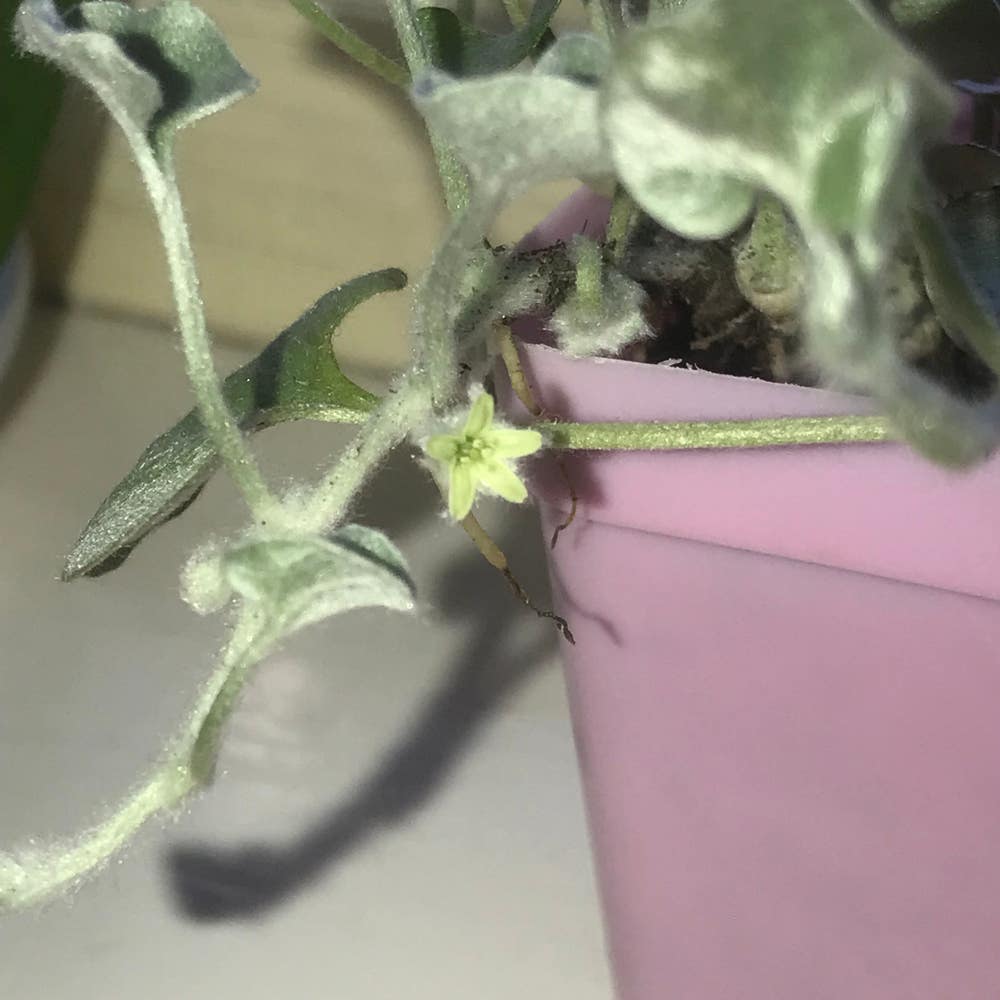
Dichondra 'Silver Falls' Fertilizer: How and When to Use It 💧
Dichondra argentea 'Silver Falls'
By the Greg Editorial Team
Jan 08, 2025•3 min read
This article was created with the help of AI so we can cover more plants for you. May contain errors. See one? Report it here.
Transform your Dichondra 'Silver Falls' into a lush paradise with these essential fertilization techniques! 🌱💧
- 🌱 Organic fertilizers like compost nurture Dichondra 'Silver Falls' with slow-release nutrients.
- 💧 Liquid fertilizers offer quick nutrient absorption during critical growth phases.
- 📅 Fertilize every 4-6 weeks in spring and summer for optimal growth.
Fertilization Techniques
🌱 Types of fertilizers suitable
Organic fertilizers
Organic fertilizers are a fantastic choice for nurturing your Dichondra 'Silver Falls.' They provide slow-release nutrients and improve soil health, making them ideal for sustainable gardening.
Examples include compost, well-rotted manure, and fish emulsion. These options enrich the soil while promoting a thriving ecosystem.
Liquid fertilizers
Liquid fertilizers offer quick nutrient absorption, perfect for addressing immediate plant needs. Balanced liquid fertilizers with micronutrients are highly recommended for optimal growth.
These fertilizers can give your plants a much-needed boost, especially during critical growth phases.
Granular fertilizers
Granular fertilizers are known for their long-lasting effects and ease of application. For balanced growth, look for N-P-K ratios of 10-10-10 or 14-14-14.
These ratios ensure your plants receive a well-rounded nutrient supply over time.
💧 How to apply fertilizer effectively
Preparation steps
Before applying fertilizer, it's essential to prepare your plants. Start by watering them to reduce the risk of root burn.
Next, clear any debris from the soil surface to ensure even application.
Application techniques
When applying granular fertilizers, spread them evenly around the base of the plant, avoiding direct contact with the stems.
For liquid fertilizers, dilute according to package instructions and apply using a watering can or sprayer for even distribution.
Post-application care
After applying fertilizer, water thoroughly to help nutrients penetrate the soil. This step is crucial for maximizing nutrient uptake by the roots.
⏰ Timing for Fertilization
Best seasons for fertilizing
Timing is everything when it comes to fertilizing your Dichondra. The best seasons to fertilize are:
- Spring: Start with initial fertilization as growth resumes.
- Summer: Provide a mid-season boost to support vigorous growth.
- Fall: Apply a light dose to prepare for dormancy.
Frequency of fertilization throughout the growing season
During the growing season, follow this fertilization schedule:
- Spring: Fertilize every 4-6 weeks during active growth.
- Summer: Monthly applications help maintain plant health.
- Fall: One last application before winter dormancy ensures your plants are ready for the colder months.
🚫 Avoiding Over-Fertilization
Symptoms of over-fertilization
Over-fertilization can harm your plants, so watch for these symptoms:
- Leaf burn: Look for brown tips and edges on leaves.
- Excessive leaf growth: You may notice lush foliage with few flowers.
- Soil salinity: A white crust on the soil surface indicates salt buildup.
How to correct over-fertilization issues
If you suspect over-fertilization, take action to correct it:
- Flush the soil: Water deeply to leach out excess salts.
- Adjust fertilization schedule: Reduce both the frequency and amount of fertilizer used.
- Monitor plant health closely: Keep an eye on recovery signs.
🌿 Nutrient Requirements
Essential nutrients for healthy growth
To thrive, your Dichondra needs essential nutrients:
- Nitrogen: Promotes lush foliage and overall growth.
- Phosphorus: Supports root development and flowering.
- Potassium: Enhances disease resistance and drought tolerance.
Role of micronutrients
Micronutrients like iron, manganese, and magnesium play a vital role in preventing deficiencies. These nutrients are crucial for maintaining overall plant health.
How to identify nutrient deficiencies
Identifying nutrient deficiencies can be straightforward:
- Visual symptoms: Yellowing leaves indicate nitrogen deficiency, while purple edges suggest phosphorus issues, and browning leaf tips point to potassium deficiency.
- Soil testing: Confirm deficiencies through lab analysis for accurate diagnosis.
By understanding these fertilization techniques, you can ensure your Dichondra 'Silver Falls' thrives beautifully throughout the growing season. Next, let's explore how to avoid common pitfalls in fertilization.
⚠️ Safety First
This content is for general information and may contain errors, omissions, or outdated details. It is not medical, veterinary advice, or an endorsement of therapeutic claims.
Always consult a qualified healthcare professional before using any plant as food, medicine, or supplement.
Never eat any plant (or feed one to pets) without confirming its identity with at least two trusted sources.
If you suspect poisoning, call Poison Control (800) 222-1222, the Pet Poison Helpline (800) 213-6680, or your local emergency service immediately.
Spotted an error? Please report it here.
Ensure your Dichondra 'Silver Falls' gets the nourishment it craves 🌿 with Greg's tailored fertilization reminders and expert tips for a flourishing garden all season long!