Why Dichondra 'Silver Falls' Is An Annual Plant 🍂
Dichondra argentea 'Silver Falls'
By the Greg Editorial Team
Jan 08, 2025•6 min read
This article was created with the help of AI so we can cover more plants for you. May contain errors. See one? Report it here.
Elevate your garden's charm with the versatile Dichondra 'Silver Falls' 🌿, perfect for stunning displays and easy care!
- 🌱 Dichondra 'Silver Falls' completes its lifecycle in one growing season as an annual plant.
- 🌞 Germination thrives in warm, moist conditions from March to April for optimal growth.
- 🌿 Versatile in light conditions, it flourishes in full sun to partial shade, enhancing gardens.
Characteristics of Dichondra 'Silver Falls' as an Annual
🌱 Lifecycle Stages
Germination
Dichondra 'Silver Falls' seeds thrive in warm, moist conditions. The optimal timing for germination is during spring, typically between March and April.
Vegetative Growth
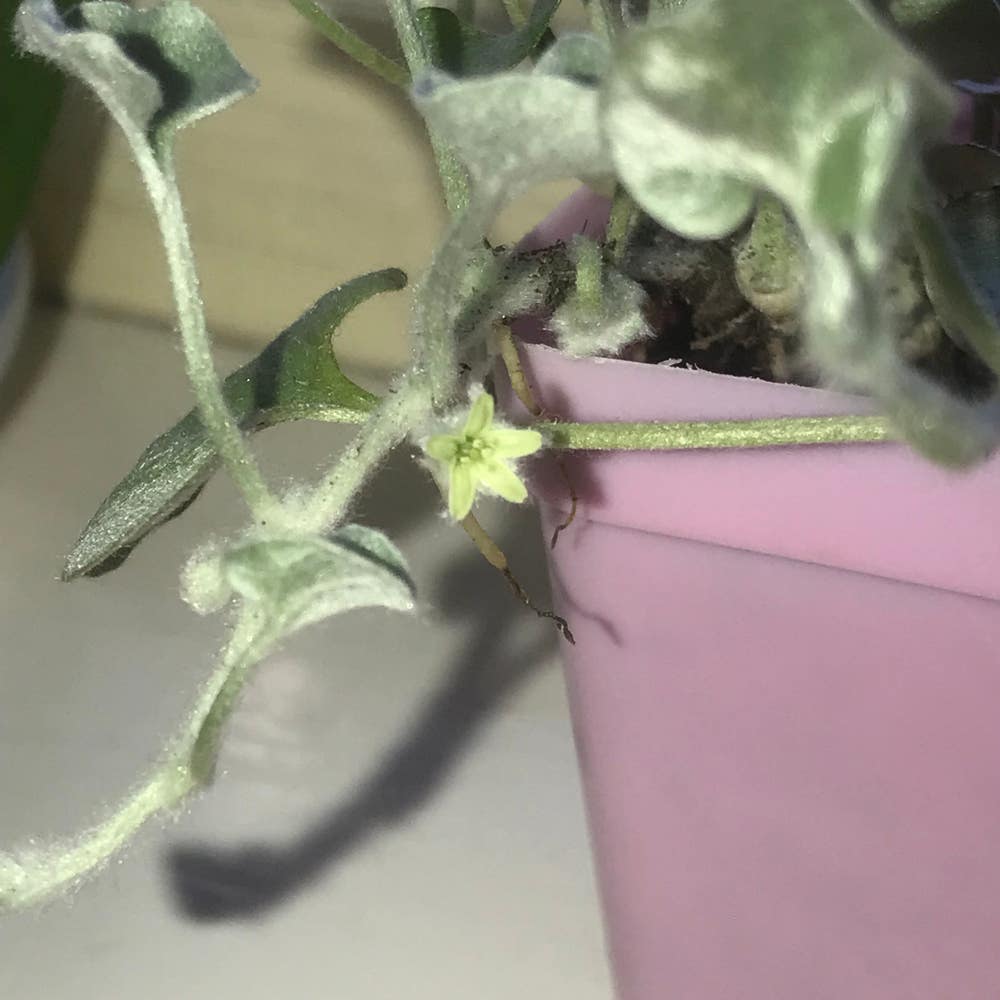
Once germinated, the plant enters a vigorous vegetative growth phase. It develops lush, silver-green foliage that cascades beautifully, creating a stunning visual effect.
Flowering
Flowering occurs in the summer months, from June to August. Environmental triggers, such as temperature and light, play a crucial role in determining the duration of this phase.
Seed Production
As summer wanes, the plant shifts focus to seed production, typically from late summer to early fall (August to September). This process ensures the continuation of its lifecycle, allowing for future growth.
🌿 Growth Patterns and Habits
Cascading and Spreading Nature
Dichondra 'Silver Falls' is known for its cascading growth habit. It can spread up to three feet, making it an excellent choice for hanging baskets and ground cover.
Light and Soil Preferences
This plant is adaptable, thriving in various light conditions from full sun to partial shade. It prefers well-drained soil but can tolerate a range of soil types, enhancing its versatility in garden design.
Seasonal Growth Timeline
The seasonal growth timeline is straightforward: germination in spring, flourishing in summer, and seed production in late summer to early fall. This cycle culminates in the plant's eventual decline as temperatures drop, marking the end of its annual lifecycle.
With its unique characteristics and growth habits, Dichondra 'Silver Falls' offers both beauty and adaptability in any garden setting. Next, we will explore the evolutionary advantages that make this plant a remarkable annual.
Evolutionary Advantages
Benefits of Being an Annual Plant 🌱
Dichondra 'Silver Falls' thrives as an annual plant due to its rapid lifecycle. This quick turnaround allows it to allocate resources efficiently, maximizing growth and reproduction in a short time frame.
Additionally, this plant can exploit favorable conditions swiftly. When the environment is just right, 'Silver Falls' takes full advantage, ensuring its survival and proliferation.
Another significant benefit is the increased genetic diversity achieved through seed production. By producing a variety of seeds, 'Silver Falls' enhances its adaptability to changing environments.
Adaptation Strategies in Various Environments 🌍
Dichondra 'Silver Falls' showcases remarkable tolerance to varying light levels. It can flourish in full sun or partial shade, making it versatile for different garden settings.
Its soil adaptability is another key strength. This plant thrives in well-drained conditions, allowing it to establish itself in diverse landscapes.
Moreover, 'Silver Falls' has developed strategies to respond to environmental stressors. It is sensitive to frost, but it has survival strategies that help it endure challenging conditions, ensuring its lifecycle continues.
Impact of Annual Lifecycle
🌱 Growth and Flowering Timeline
Dichondra 'Silver Falls' begins its lifecycle with germination in spring, typically between March and April. This is when the seeds sprout, setting the stage for the vibrant growth that follows.
During the summer months, from June to August, the plant enters its flowering phase. This period is characterized by lush foliage and the potential for delicate flowers, adding beauty to any garden.
As summer transitions to fall, seed production occurs from late August to early September. This is a crucial time for the plant, as it prepares for the next generation.
🌾 Seed Production and Dispersal
The quantity and quality of seeds produced by Dichondra 'Silver Falls' are vital for its survival. A healthy plant can generate numerous seeds, ensuring a robust population for the following year.
Timing is everything when it comes to seed dispersal. Environmental triggers, such as temperature and moisture, play a significant role in determining when seeds are released into the wild.
Seed production is not just about numbers; it’s essential for future growth cycles. By producing seeds, the plant ensures its legacy, allowing new plants to emerge in favorable conditions.
Understanding these stages helps gardeners appreciate the full lifecycle of Dichondra 'Silver Falls' and plan their planting strategies accordingly. As we delve deeper into the plant's adaptability, we can explore how it thrives in various environments.
Variations and Exceptions
🌱 Instances Where Dichondra 'Silver Falls' May Behave Differently
Dichondra 'Silver Falls' can exhibit varying growth patterns depending on environmental factors. Climate and soil conditions play a significant role in its lifecycle, influencing everything from germination rates to overall vigor.
In regions with extreme temperatures or poor soil quality, you might notice stunted growth or delayed flowering. Conversely, in optimal conditions, this plant can flourish beyond expectations, showcasing its adaptability.
🌦️ Environmental Factors Influencing Growth
Frost and temperature fluctuations can dramatically affect the lifecycle of Dichondra 'Silver Falls.' A sudden drop in temperature can halt growth, while prolonged warmth may encourage earlier germination.
Interestingly, in favorable conditions, this plant has the potential for self-seeding. This ability allows it to thrive in environments where it can establish itself without needing to be replanted each season.
Understanding these variations can help gardeners make informed decisions about planting and care, ensuring a thriving display of this beautiful annual.
Gardening Strategies
Utilizing Dichondra 'Silver Falls' in Garden Design 🌿
Dichondra 'Silver Falls' is a versatile plant that shines in various design applications. It works beautifully in hanging baskets, where its cascading nature creates a stunning visual effect.
As a ground cover, it blankets the soil with its silver-green foliage, adding a soft texture to your garden. This plant also makes an excellent border, providing a delicate frame for flower beds or pathways.
The aesthetic appeal of its shimmering leaves cannot be overstated. The cascading growth habit not only draws the eye but also complements a wide range of other plants.
When it comes to companion planting, consider pairing 'Silver Falls' with vibrant flowers or contrasting foliage. This combination enhances visual impact and creates a dynamic garden space.
Tips for Succession Planting and Extending the Growing Season 🌱
To enjoy continuous blooms, timing and spacing are crucial. Start by planting 'Silver Falls' in intervals, ensuring that some plants are always in their prime.
Staggered planting is a smart strategy to maximize coverage and maintain a lush appearance throughout the growing season. This approach allows you to enjoy the beauty of this plant longer.
Protective measures against frost can also extend its lifecycle. Consider using row covers or bringing pots indoors during colder months to safeguard your plants.
If you're looking to grow 'Silver Falls' in less-than-ideal conditions, indoor gardening or greenhouse use can be effective. This way, you can nurture your plants and enjoy their beauty year-round.
With these gardening strategies, you can fully harness the potential of Dichondra 'Silver Falls' in your landscape. The next section will explore the fascinating evolutionary advantages of this annual plant.
⚠️ Safety First
This content is for general information and may contain errors, omissions, or outdated details. It is not medical, veterinary advice, or an endorsement of therapeutic claims.
Always consult a qualified healthcare professional before using any plant as food, medicine, or supplement.
Never eat any plant (or feed one to pets) without confirming its identity with at least two trusted sources.
If you suspect poisoning, call Poison Control (800) 222-1222, the Pet Poison Helpline (800) 213-6680, or your local emergency service immediately.
Spotted an error? Please report it here.
Transform your garden with the cascading beauty of Dichondra 'Silver Falls' 🌿 by using Greg's tailored watering reminders and care tips to keep its shimmering foliage thriving all season long!