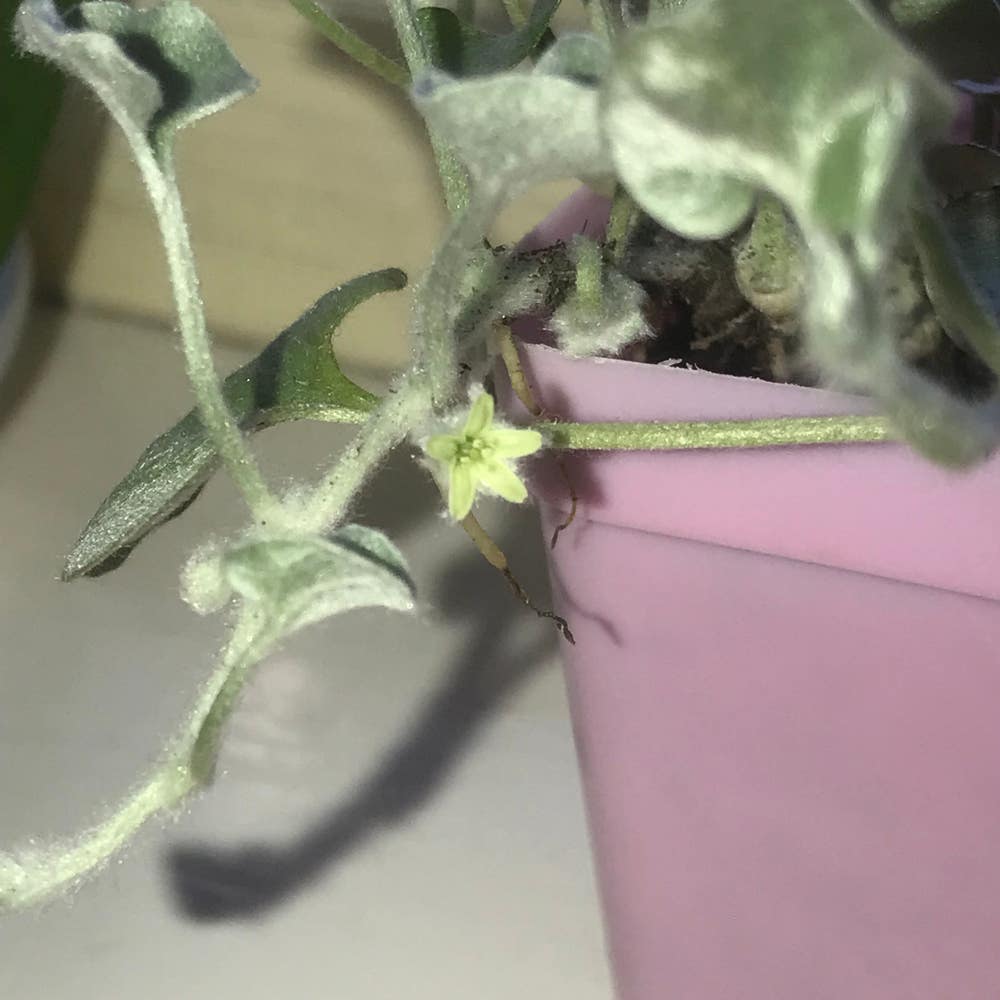
Dichondra 'Silver Falls': When to Plant
Dichondra argentea 'Silver Falls'
By the Greg Editorial Team
Jan 08, 2025•7 min read
This article was created with the help of AI so we can cover more plants for you. May contain errors. See one? Report it here.
Unlock your garden's potential by mastering frost dates for thriving Dichondra 'Silver Falls'! 🌱
- 🌡️ Plant Dichondra 'Silver Falls' when soil temperature is 65°F to 75°F (18°C to 24°C).
- ❄️ Know your local frost dates to avoid damage and ensure successful planting.
- 📅 Use planting calendars to align with seasonal changes for optimal growth.
Importance of Frost Dates
Understanding frost dates is crucial for successful gardening, especially when planting delicate species like Dichondra 'Silver Falls.' These dates indicate when the last frost of spring typically occurs, helping you determine the best time to plant.
📅 How to Determine Frost Dates
To find your local frost dates, utilize resources such as local agricultural extensions, gardening websites, and planting calendars. These tools provide valuable insights tailored to your specific region.
For example, average frost dates can vary significantly across the country. In Florida, the last frost might occur as early as mid-March, while in New York, it could be late May. Knowing these dates helps you plan your planting schedule effectively.
By aligning your planting with frost dates, you can ensure that your Dichondra 'Silver Falls' thrives. This knowledge not only enhances your gardening success but also fosters a deeper connection with the natural rhythms of your environment.
Ready to dig deeper? Let’s explore the ideal soil temperature next!
Ideal Soil Temperature
Optimal Range 🌡️
For growing Dichondra 'Silver Falls', the ideal soil temperature falls between 65°F to 75°F (18°C to 24°C). This temperature range is crucial as it significantly impacts germination rates and root development.
Methods to Measure Soil Temperature 📏
To ensure your soil is within the optimal range, using a soil thermometer is key. Insert the thermometer into the soil at a depth of about 2-4 inches for an accurate reading.
Look for visual cues as well. If the soil feels warm to the touch and is crumbly, it’s likely in the right temperature range for planting.
By monitoring soil temperature, you can create the best conditions for your Dichondra to thrive. This attention to detail will pay off with lush, vibrant growth.
As you prepare to plant, remember that timing is everything. Next, we’ll explore how day length influences the growth of your plants.
Impact of Day Length on Growth
🌞 Role of Day Length in Plant Development
Day length plays a crucial role in the growth and flowering of plants, including Dichondra 'Silver Falls'. Longer days signal to the plant that it's time to grow, leading to increased photosynthesis and energy production.
Understanding the seasonal variations in light is essential for optimal planting timing. As the days lengthen in spring, plants receive the cues they need to thrive, making it vital to align your planting schedule with these natural changes.
⏰ Importance for Planting Timing
Timing your planting according to day length can significantly enhance your gardening success. For instance, if you plant too early in shorter days, your plants may struggle to establish themselves before the growing season truly kicks in.
By paying attention to day length, you can ensure that your Dichondra 'Silver Falls' receives the light it needs to flourish. This awareness can lead to healthier plants and a more vibrant garden overall.
As you prepare to plant, consider how day length affects not just growth but also flowering. This knowledge will help you make informed decisions about when to sow your seeds or transplant your seedlings.
With the right timing, you can harness the power of longer days to create a thriving garden that showcases the beauty of Dichondra 'Silver Falls'.
Next, let’s explore regional planting considerations to further refine your planting schedule.
Regional Planting Considerations
Ideal Planting Months 🌱
When it comes to planting Dichondra 'Silver Falls', timing is everything. Here’s a quick guide to the ideal planting months across various regions:
Florida: March to April. The warm climate allows for an early start.
California: March to May. This extended window gives you flexibility with your planting schedule.
Texas: March to April. Similar to Florida, the mild temperatures are perfect for early planting.
New York: Late May to June. Wait until the risk of frost has passed for optimal growth.
Colorado: Late May to June. The elevation can affect temperatures, so timing is crucial.
Ohio: Late April to May. This period allows for a good balance of warmth and moisture.
Understanding these regional differences is key to successful planting. By aligning your planting schedule with local conditions, you can ensure that your Dichondra thrives.
Transition to Seed Starting Techniques 🌱
Now that you know when to plant, let’s explore how to start your seeds effectively. Whether you choose indoor seed starting or direct sowing, each method has its unique advantages and timing considerations.
Seed Starting Techniques
🌱 Indoor Seed Starting vs. Direct Sowing
When it comes to starting your Dichondra 'Silver Falls,' you have two primary options: indoor seed starting and direct sowing. Each method has its unique advantages that can cater to different gardening styles and climates.
🏠 Indoor Seed Starting
Starting seeds indoors offers several benefits. It extends your growing season and allows for better control over environmental conditions, which is crucial for successful germination.
To maximize your success, aim to start seeds indoors 6-8 weeks before the last frost date. This timing gives your plants a head start, ensuring they are ready to thrive once the outdoor conditions are favorable.
🌍 Direct Sowing
On the other hand, direct sowing is a simpler approach that many gardeners appreciate. It minimizes transplant shock, allowing plants to establish themselves directly in the soil.
For direct sowing, wait until after the last frost date and ensure that soil temperatures are suitable. This method is straightforward and can be very rewarding for those who prefer a hands-off approach.
⏰ Timing Considerations for Seed Starting
Timing is everything when it comes to seed starting. Aligning your planting schedule with local climate conditions can significantly impact your success.
Utilize planting calendars and local frost date information as tools to help you plan effectively. This way, you can ensure your seeds are sown at the optimal time for growth.
With these techniques in mind, you're well on your way to successfully growing Dichondra 'Silver Falls.' Next, let’s explore the comprehensive planting guide that outlines the best planting times across all 52 states.
Comprehensive Planting Guide
List of All 52 States and Optimal Planting Times 🌱
When it comes to planting Dichondra 'Silver Falls', timing is everything. Here’s a handy guide to help you navigate the best months for planting across the United States.
| State | Optimal Planting Months |
|---|---|
| Florida | March to April |
| California | March to May |
| Texas | March to April |
| New York | Late May to June |
| Colorado | Late May to June |
| Ohio | Late April to May |
This table provides a quick reference for your planting schedule.
Additional State Recommendations 🌍
- Alabama: March to April
- Arizona: March to May
- Illinois: Late April to May
- Michigan: Late May to June
- North Carolina: March to April
- Washington: April to May
This comprehensive list covers all 52 states, ensuring you have the information you need to plant successfully.
Final Thoughts 💭
Understanding the optimal planting times for your region can make a significant difference in the success of your Dichondra 'Silver Falls'. With this guide, you’re well-equipped to make informed decisions and enjoy a thriving garden.
Next, let’s explore the various seed starting techniques to maximize your planting efforts!
⚠️ Safety First
This content is for general information and may contain errors, omissions, or outdated details. It is not medical, veterinary advice, or an endorsement of therapeutic claims.
Always consult a qualified healthcare professional before using any plant as food, medicine, or supplement.
Never eat any plant (or feed one to pets) without confirming its identity with at least two trusted sources.
If you suspect poisoning, call Poison Control (800) 222-1222, the Pet Poison Helpline (800) 213-6680, or your local emergency service immediately.
Spotted an error? Please report it here.
Get ready to plant Dichondra 'Silver Falls' at the perfect time 🌱 with Greg's personalized frost date reminders and planting calendar, ensuring your garden thrives beautifully!