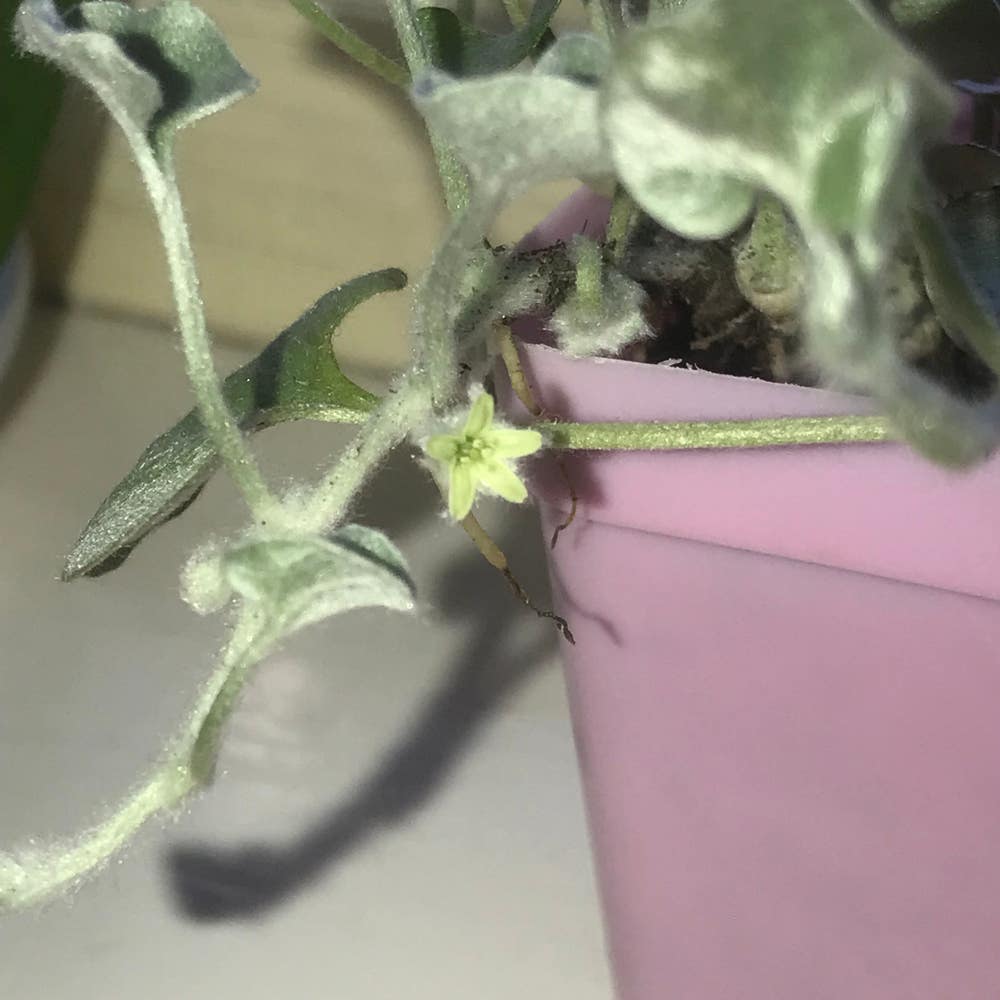
How to Fix Droopy Leaves on Your Dichondra 'Silver Falls' 💧
Dichondra argentea 'Silver Falls'
By the Greg Editorial Team
Jan 08, 2025•5 min read
This article was created with the help of AI so we can cover more plants for you. May contain errors. See one? Report it here.
Transform your plant care skills by mastering the signs of overwatering and underwatering! 🌿💧
- 💧 Overwatering causes droopy leaves; adjust watering frequency and allow soil to dry.
- 🌱 Improve soil drainage with well-draining mixes and drainage holes to prevent root rot.
- 🌿 Monitor for pests and nutrient deficiencies to keep your Dichondra healthy and thriving.
Overwatering: Signs and Solutions
🟡 Symptoms of Overwatering
Overwatering can be a sneaky culprit behind droopy leaves on your Dichondra 'Silver Falls'. One of the first signs to look for is yellowing leaves, which often indicates root stress.
Another common symptom is wilting despite wet soil. This can confuse many gardeners, as it may feel like the plant is thirsty when, in fact, it's drowning. Lastly, if you inspect the roots and find them dark and mushy, you’re likely dealing with root rot, a serious condition that can threaten your plant's health.
💧 Solutions for Overwatering
To combat overwatering, start by adjusting your watering frequency. Allow the soil to dry out between waterings to give the roots a chance to breathe.
Next, focus on improving drainage. Use well-draining soil mixes and ensure your pots have drainage holes to prevent water from pooling.
After making these adjustments, keep an eye out for signs of recovery. Look for new growth and firm leaves, which indicate that your plant is bouncing back from the stress of overwatering.
With these solutions, you can help your Dichondra thrive and enjoy its beautiful cascading leaves once more.
Underwatering: Identifying Symptoms and Remedies
Symptoms of Underwatering 🌵
Underwatering can be just as detrimental as overwatering. The first sign to look for is leaf wilting, where leaves droop and may even curl, signaling distress.
Another indicator is dry, crispy edges on the leaves, which suggests prolonged drought stress. Additionally, checking for soil dryness is crucial; if the soil feels parched, it’s time to take action.
Remedies for Underwatering 💧
To combat underwatering, start by establishing a consistent watering schedule. Water deeply and regularly to ensure your Dichondra 'Silver Falls' receives adequate moisture.
Next, monitor environmental conditions. On hot or windy days, your plant may need extra water, so adjust accordingly.
Finally, look for signs of recovery. After proper watering, you should notice leaf firmness and vibrant color returning, indicating your plant is bouncing back.
With these steps, your Dichondra will thrive, showcasing its beautiful silver foliage once again.
Soil Drainage Issues: Importance and Fixes
Importance of Soil Drainage 🌊
Soil drainage is crucial for the health of your Dichondra 'Silver Falls.' Proper drainage prevents root rot, which occurs when roots sit in waterlogged soil, suffocating them and leading to decay.
Additionally, well-drained soil enhances nutrient uptake. Healthy roots need a balance of oxygen and moisture to absorb essential nutrients effectively.
Fixes for Drainage Issues 🛠️
Improving soil drainage can be straightforward. Start by amending your soil with perlite or sand to create a lighter mix that allows water to flow freely.
Another effective method is elevating your planting beds. Raised beds help prevent water pooling, ensuring your plants stay dry and healthy.
Regular soil checks are also essential. Monitor for compaction, which can hinder drainage, and adjust your soil mix as necessary to maintain optimal conditions.
By addressing these drainage issues, you can foster a thriving environment for your Dichondra 'Silver Falls.' This proactive approach will lead to lush, vibrant growth and prevent future problems.
Next, let’s explore how to identify and remedy nutrient deficiencies that may also affect your plant's health.
Nutrient Deficiencies: Common Deficiencies and How to Address Them
Common Nutrient Deficiencies 🌱
Dichondra 'Silver Falls' can suffer from nutrient deficiencies that impact its health and appearance.
- Nitrogen deficiency is a common issue, leading to pale green leaves and stunted growth.
- Iron deficiency manifests as yellowing between leaf veins, a condition known as chlorosis.
Addressing Nutrient Deficiencies 🛠️
To combat these deficiencies, consider the following strategies:
Fertilization recommendations: Apply a balanced fertilizer, such as NPK 10-10-10, during the growing season to provide essential nutrients.
Soil testing: Conduct soil tests to pinpoint specific nutrient needs, ensuring your plant gets exactly what it requires.
Organic amendments: Incorporate compost or well-rotted manure into the soil to naturally boost nutrient levels.
By addressing these nutrient deficiencies, you can help your Dichondra thrive and maintain its stunning silver foliage.
Next, let’s explore how to tackle pest infestations that can also affect your plant’s health.
Pest Infestations: Identifying Pests and Treatment Options
Pest infestations can be a significant issue for your Dichondra 'Silver Falls.' Recognizing the common pests and knowing how to treat them is essential for maintaining healthy plants.
🐜 Common Pests
Aphids are small, soft-bodied insects that often cluster on new growth. You might notice sticky residue on leaves, which is a telltale sign, along with curled leaves that indicate they are feeding on your plant's sap.
Spider mites are another culprit, particularly in dry conditions. Look for fine webbing on the undersides of leaves and stippled or discolored foliage, which can signal their presence.
🧪 Treatment Options for Pest Control
When it comes to pest control, you have several effective options. Natural remedies can be a great first step; introducing beneficial insects like ladybugs can help keep aphid populations in check.
For more severe infestations, consider chemical treatments. Insecticidal soap or neem oil can effectively eliminate pests without harming your plant.
Lastly, regular monitoring is crucial. Inspect your plants weekly for early signs of pests, allowing you to address any issues before they escalate.
By staying vigilant and proactive, you can keep your Dichondra 'Silver Falls' thriving and free from pests. Next, let's explore how to tackle nutrient deficiencies that may also affect your plant's health.
⚠️ Safety First
This content is for general information and may contain errors, omissions, or outdated details. It is not medical, veterinary advice, or an endorsement of therapeutic claims.
Always consult a qualified healthcare professional before using any plant as food, medicine, or supplement.
Never eat any plant (or feed one to pets) without confirming its identity with at least two trusted sources.
If you suspect poisoning, call Poison Control (800) 222-1222, the Pet Poison Helpline (800) 213-6680, or your local emergency service immediately.
Spotted an error? Please report it here.
Revive your droopy Dichondra 'Silver Falls' with smart watering and nutrient care 🌱, and let Greg guide you with personalized reminders to ensure your plant thrives beautifully!