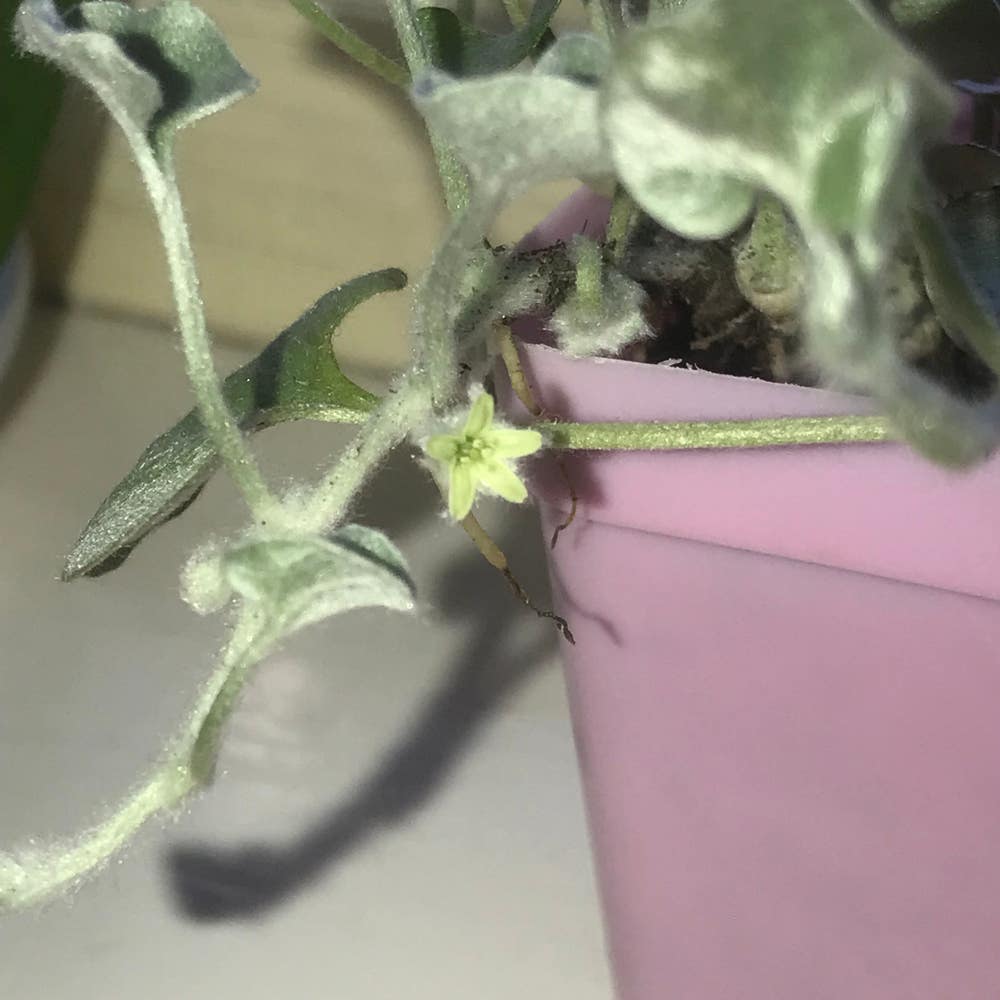
🔍 Identifying What is Eating Your Dichondra 'Silver Falls'
Dichondra argentea 'Silver Falls'
By the Greg Editorial Team
Jan 08, 2025•5 min read
This article was created with the help of AI so we can cover more plants for you. May contain errors. See one? Report it here.
Safeguard your Dichondra from pesky herbivores 🐇 and nurture a vibrant garden ecosystem! 🌼
- 🦌 Deer and rabbits can severely damage Dichondra; look for droppings and hoof prints.
- 🚫 Effective deterrents include fences, repellents, and monitoring for herbivore activity.
- 🌼 Attract beneficial animals to enhance plant health and reduce pest issues naturally.
Common Herbivores Affecting Dichondra
🦌 Deer
Signs of presence
Deer are often the first culprits when it comes to damage on your Dichondra 'Silver Falls.' Look for distinct hoof prints in the soil and dark, pellet-like droppings near the plants.
Type of damage caused
These herbivores tend to browse on leaves, stripping them away and stunting growth. In severe cases, overgrazing can occur, leading to significant plant decline.
Beneficial vs. harmful interaction
Interactions with deer are generally harmful. If not managed, they can decimate your Dichondra populations.
Deterrent methods
To keep deer at bay, consider erecting 8-foot tall fences to prevent access. Additionally, commercial deer repellents or homemade solutions like garlic spray can be effective deterrents.
🐇 Rabbits
Signs of presence
Rabbits leave their mark with clean cuts on the edges of leaves and small, round droppings scattered around the plant.
Type of damage caused
These furry pests can cause severe leaf loss, leading to plant stress and reduced vigor.
Beneficial vs. harmful interaction
Rabbits are generally harmful, especially to young plants that are more vulnerable.
Deterrent methods
To protect your plants, cover them with mesh netting to prevent rabbit access. You can also use natural repellents, such as cayenne pepper, to deter these critters.
🐿️ Squirrels
Signs of presence
Squirrels can be identified by distinct bite marks on stems and visible nests in nearby trees or shrubs.
Type of damage caused
They often strip bark, which can weaken the plant structure and lead to decline.
Beneficial vs. harmful interaction
Interactions with squirrels are generally harmful, as their activities can significantly impact plant health.
Deterrent methods
To deter squirrels, use reflective objects or noise-making devices as scare tactics. Live traps can also be an effective way to relocate them.
🐦 Birds
Signs of presence
Look for small holes or peck marks on leaves, along with nesting activity nearby, to identify bird presence.
Type of damage caused
Birds can cause seed predation, eating seeds and young plants before they have a chance to thrive.
Beneficial vs. harmful interaction
Bird interactions are mixed; while some birds help control pests, others can cause damage to your plants.
Deterrent methods
Using predator decoys can scare birds away, while hanging shiny objects can also deter them effectively.
🐭 Rodents (Mice, Voles)
Signs of presence
Rodents leave small burrows or pathways in the soil and dark, small droppings near the plant base.
Type of damage caused
They gnaw on roots, which can lead to significant plant decline and stress.
Beneficial vs. harmful interaction
Rodent interactions are generally harmful, as they can cause extensive damage to your Dichondra.
Deterrent methods
To manage rodent populations, consider using snap traps or live traps. Habitat modification, such as reducing cover and food sources nearby, can also help.
🦡 Groundhogs/Woodchucks
Signs of presence
Groundhogs are identifiable by large burrows dug near the plant and distinctive damage on stems and leaves.
Type of damage caused
These animals can cause extensive feeding, completely stripping plants of foliage.
Beneficial vs. harmful interaction
Interactions with groundhogs are generally harmful, as they can devastate garden areas.
Deterrent methods
To deter groundhogs, strong fencing can be effective. You can also use commercial or homemade repellents to keep them away.
With a clear understanding of these common herbivores, you can take proactive steps to protect your Dichondra 'Silver Falls.' Next, let’s explore the beneficial animals that can enhance your garden ecosystem.
Beneficial Animals and Ecosystem Roles
Pollinators: Nature's Helpers 🐝
Dichondra 'Silver Falls' attracts a variety of beneficial animals, particularly pollinators like bees and butterflies. These creatures visit the plant for nectar, playing a crucial role in the reproduction of many flowering plants.
Predatory Insects: Pest Controllers 🐞
In addition to pollinators, predatory insects such as ladybugs and lacewings are drawn to Dichondra. They help control pest populations, keeping harmful insects in check and contributing to a balanced ecosystem.
Positive Impacts on the Garden Ecosystem 🌱
The presence of these beneficial animals leads to enhanced pollination, which results in healthier plants. This natural process reduces the need for chemical interventions, promoting a more sustainable gardening approach.
A Thriving Garden 🌼
By fostering an environment that attracts these helpful creatures, you not only support the health of your Dichondra but also create a vibrant garden ecosystem. Embracing these natural allies can lead to a flourishing landscape that thrives without excessive reliance on synthetic products.
Conclusion 🌍
Incorporating beneficial animals into your gardening strategy is a win-win. You enhance the health of your plants while supporting the local ecosystem, making your garden a more inviting place for both flora and fauna.
General Strategies for Protecting Dichondra
🛡️ Preventive Measures for Herbivore Damage
To safeguard your Dichondra, regular monitoring is essential. Keep an eye out for signs of animal presence, such as tracks or droppings, to catch any potential threats early.
Implementing physical barriers and deterrents at the start of the season can make a significant difference. Fencing and netting can effectively keep herbivores at bay before they even reach your plants.
⚠️ Reactive Solutions for Managing Animal Interactions
When you notice signs of damage, a quick response is crucial. Addressing issues promptly can prevent further loss and help your plants recover.
Adjusting your deterrent methods based on observed animal behavior is also key. If one method isn't working, don't hesitate to try something new to protect your Dichondra.
🌱 Seasonal Variations in Animal Attraction to Dichondra
Be aware that animal activity tends to increase in spring and early summer. During these times, your Dichondra may be particularly vulnerable as the tender new growth attracts herbivores.
🐾 Discussion of Any Toxic Effects of Dichondra on Animals
Fortunately, Dichondra is generally non-toxic to animals. However, consuming it in excess may lead to mild digestive upset, so it's wise to monitor any curious pets or wildlife around your garden.
By employing these strategies, you can create a thriving environment for your Dichondra while minimizing the impact of herbivores. Next, let’s explore the beneficial animals that can enhance your garden ecosystem.
⚠️ Safety First
This content is for general information and may contain errors, omissions, or outdated details. It is not medical, veterinary advice, or an endorsement of therapeutic claims.
Always consult a qualified healthcare professional before using any plant as food, medicine, or supplement.
Never eat any plant (or feed one to pets) without confirming its identity with at least two trusted sources.
If you suspect poisoning, call Poison Control (800) 222-1222, the Pet Poison Helpline (800) 213-6680, or your local emergency service immediately.
Spotted an error? Please report it here.
Keep your Dichondra 'Silver Falls' thriving 🌿 by using Greg's tailored tips and reminders to deter herbivores and create a balanced garden ecosystem!