🌸 4 Tips for Blooming Your Dichondra 'Silver Falls'
Dichondra argentea 'Silver Falls'
By the Greg Editorial Team
Jan 08, 2025•4 min read
This article was created with the help of AI so we can cover more plants for you. May contain errors. See one? Report it here.
Uncover the charm of Dichondra 'Silver Falls' 🌱, a stunning, low-maintenance plant that thrives without blooms!
- 🌿 Dichondra 'Silver Falls' blooms rarely, focusing on its stunning cascading foliage instead.
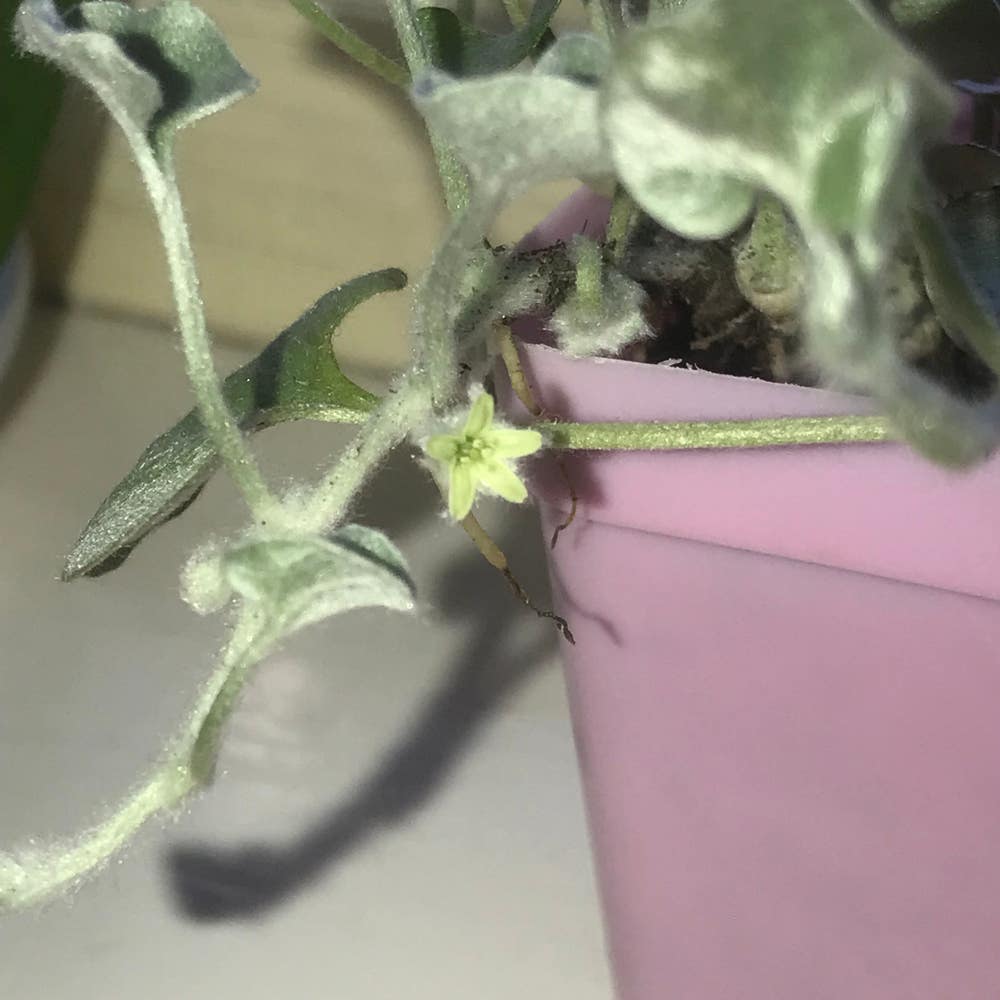
- 🌼 If flowers appear, they are small and self-pollinating, enhancing resilience.
- ☀️💧 Encourage blooming with adequate light, proper watering, and balanced fertilization.
Flowering Status
Clarification on Flowering Status 🌼
Dichondra 'Silver Falls' is primarily known as a non-flowering plant. Instead of blooms, it captivates with its stunning cascading foliage, making it a favorite for gardeners seeking lush greenery.
While some plants boast vibrant flowers, 'Silver Falls' shines through its unique leaves. This plant is all about the visual appeal of its silvery-green, trailing vines that can transform any space into a vibrant oasis.
If It Flowers
🌸 Flower Characteristics
Description of Flower Colors and Structure
Dichondra 'Silver Falls' produces small, inconspicuous flowers that are typically greenish or white. These flowers form simple spikes that are easily overshadowed by the plant's lush, cascading foliage.
Self-Pollination vs. External Pollination
Interestingly, these flowers are self-pollinating. This means they don't rely on external factors for pollination, making them quite resilient.
🌼 Blooming Process
Stages of Blooming
The blooming process involves three main stages: bud formation, blooming, and post-blooming. Each stage is crucial for the plant's overall health and vitality.
Typical Bloom Time
If Dichondra 'Silver Falls' does bloom, it usually happens in late spring to early summer. This timing aligns with the plant's growth cycle and environmental conditions.
Duration from Bud Formation to Full Bloom
Once buds form, you can expect about 2-3 weeks until they reach full bloom. This relatively quick transition showcases the plant's adaptability.
Lifespan of Flowers
Once the flowers bloom, they typically last for about 1-2 weeks. Although short-lived, they add a delicate touch to the plant's overall appearance.
🌱 Encouraging Blooms
Tips for Promoting Flowering
To encourage flowering, ensure your plant receives adequate light exposure, proper watering, and balanced fertilization. These best practices can significantly enhance its blooming potential.
Factors Influencing Flowering
Several environmental factors influence flowering, including temperature, humidity, and soil conditions. Keeping these elements in check can lead to more vibrant blooms.
🌿 Post-Flowering
What Happens After Flowering
After flowering, Dichondra 'Silver Falls' retains its leaves and continues to grow. This resilience allows it to thrive even after the blooms fade.
Does It Die After Flowering?
Rest assured, the plant does not die after flowering. It continues to flourish, showcasing its robust nature and adaptability.
With this understanding of the flowering process, you can better appreciate the unique characteristics of Dichondra 'Silver Falls' and how to care for it effectively. Next, let’s explore what happens if it doesn’t flower.
If It Doesn't Flower
🌿 Primary Ornamental Features
Dichondra 'Silver Falls' is celebrated for its stunning cascading foliage. Its vibrant, silvery-green leaves create a beautiful draping effect, making it a favorite for hanging baskets and ground cover.
This plant is also remarkably drought-tolerant, thriving in various landscapes, from sunny gardens to shaded patios. Its versatility allows it to complement other plants beautifully, enhancing the overall aesthetic of your outdoor space.
🌱 Reproduction Without Flowers
Interestingly, Dichondra 'Silver Falls' doesn’t rely on flowers for reproduction. Instead, it spreads through runners, which are horizontal stems that root down as they grow.
This vegetative reproduction method allows the plant to cover ground quickly, creating a lush, green carpet. It's a practical strategy that ensures the plant continues to thrive, even without the need for blooms.
In summary, whether it flowers or not, Dichondra 'Silver Falls' remains a resilient and attractive choice for any garden enthusiast. Its unique growth habits and ornamental features make it a standout in the plant world.
Unique Aspects
Unusual Characteristics 🌱
Dichondra 'Silver Falls' is a resilient plant that flourishes in a variety of conditions. Its ability to thrive without the need for flowering makes it a unique addition to any garden.
Interesting Facts 🤓
Historically, Dichondra has been used for ground cover due to its attractive foliage and hardiness. Its vegetative reproduction through runners allows it to spread effortlessly, making it a favorite among gardeners seeking low-maintenance options.
Relation to Life Cycle 🌿
The non-flowering nature of Dichondra 'Silver Falls' significantly impacts its growth and resilience. This characteristic allows the plant to focus energy on developing lush foliage, ensuring it remains vibrant and healthy throughout its life cycle.
As we explore the next section, we'll delve into the primary ornamental features that make this plant a standout choice for various landscapes.
⚠️ Safety First
This content is for general information and may contain errors, omissions, or outdated details. It is not medical, veterinary advice, or an endorsement of therapeutic claims.
Always consult a qualified healthcare professional before using any plant as food, medicine, or supplement.
Never eat any plant (or feed one to pets) without confirming its identity with at least two trusted sources.
If you suspect poisoning, call Poison Control (800) 222-1222, the Pet Poison Helpline (800) 213-6680, or your local emergency service immediately.
Spotted an error? Please report it here.
Embrace the beauty of your Dichondra 'Silver Falls' 🌱 by using Greg's tailored watering and fertilization reminders to encourage those rare blooms and keep your plant thriving!