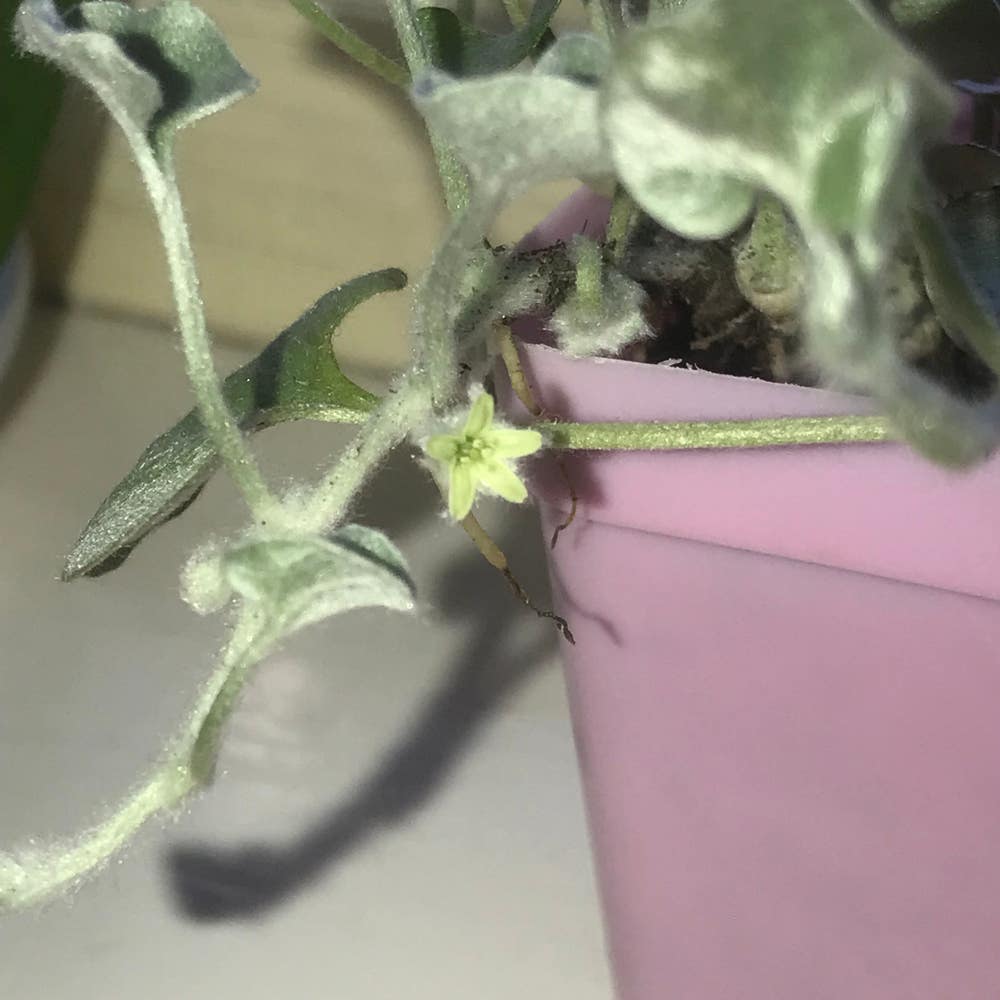
☀️ Where Can Dichondra 'Silver Falls' Grow? Zones 10a-12b
Dichondra argentea 'Silver Falls'
By the Greg Editorial Team
Jan 08, 2025•4 min read
This article was created with the help of AI so we can cover more plants for you. May contain errors. See one? Report it here.
Master the temperature needs of Dichondra 'Silver Falls' 🌱 for a lush, thriving garden in any climate!
- 🌱 Dichondra 'Silver Falls' thrives in USDA zones 10a-12b with ideal warmth.
- ❄️ Frost sensitivity means it needs protection from temperatures below 30°F (-1°C).
- 🌞 Well-drained soil and microclimates enhance growth in warmer urban areas.
Temperature Tolerance
❄️ Cold Tolerance Specifics
Dichondra 'Silver Falls' can tolerate temperatures as low as 30°F (-1°C). However, it's sensitive to frost, which can damage its foliage, making it essential to know your local frost dates for successful cultivation.
☀️ Heat Tolerance Specifics
This plant thrives in the warm climates of zones 10a to 12b, where it flourishes best. Ideally, it prefers temperatures consistently above 50°F (10°C) during the growing season, ensuring vibrant growth and lush foliage.
Understanding these temperature tolerances is crucial for gardeners looking to cultivate Dichondra 'Silver Falls' successfully. With the right conditions, this plant can be a stunning addition to your landscape.
Ideal Growing Regions
🌎 Examples of US States in Zones 10a-12b
Dichondra 'Silver Falls' flourishes in several states that fall within USDA hardiness zones 10a to 12b. Notable states include:
- California: Coastal areas and the Central Valley provide ideal conditions.
- Florida: The southern regions, especially around Miami, are perfect for this plant.
- Texas: Areas like San Antonio and Houston offer a warm climate.
- Hawaii: The tropical environment is naturally suited for growth.
- Arizona: Parts of southern Arizona, particularly near Tucson, support its thriving.
Each of these regions boasts unique microclimates that enhance the growth potential of Dichondra 'Silver Falls'.
🌱 Factors Contributing to Ideal Growing Conditions
Several key factors contribute to the successful cultivation of Dichondra 'Silver Falls'.
☀️ Warm Climate
A consistent warm climate is essential. These regions enjoy year-round warmth, which is crucial for the plant's growth.
🌧️ Well-Drained Soil
Soil type plays a significant role in the health of Dichondra. Well-drained soil prevents waterlogging, allowing roots to thrive.
❄️ Low Frost Occurrence
Minimal frost days are vital for survival. Regions with low frost risk ensure that the foliage remains undamaged, promoting healthy growth.
Understanding these factors can help gardeners create the perfect environment for Dichondra 'Silver Falls', leading to lush, vibrant displays.
As we explore further, we'll delve into how microclimates can impact growing conditions and extend the range of this beautiful plant.
Microclimates and Their Impact
🌍 Definition and Importance
Microclimates are small areas where climate conditions differ from the surrounding environment. These variations can significantly affect plant growth, making them crucial for gardeners looking to cultivate sensitive species like Dichondra 'Silver Falls.'
Understanding microclimates allows gardeners to create pockets of warmth or protection from frost. This knowledge can be the difference between a thriving garden and a failed one, especially in regions where temperatures fluctuate.
🌱 Extending Growing Range
Microclimates can be found in various settings, including urban areas, sheltered gardens, and south-facing slopes. Each of these environments can offer unique advantages for growing plants that typically require warmer conditions.
For instance, urban areas often have heat-retaining surfaces that create warmer microclimates. Similarly, sheltered gardens can protect plants from harsh winds and frost, extending the growing range of sensitive species beyond typical hardiness zones.
By leveraging these microclimates, gardeners can successfully cultivate Dichondra 'Silver Falls' even in less-than-ideal conditions. Understanding and utilizing these localized climate variations can lead to a flourishing garden, full of vibrant greenery.
As we explore further, let’s look at the specific states that provide the best growing conditions for this beautiful plant.
State-Level Suitability Analysis
🌞 Suitable States
Dichondra 'Silver Falls' thrives in several states, particularly California, Florida, Texas, Hawaii, and parts of Arizona. These regions boast warm climates, well-drained soils, and a low risk of frost, making them ideal for this beautiful ground cover.
In California, coastal areas provide the perfect balance of warmth and moisture. Florida's tropical climate ensures year-round growth, while Texas offers diverse environments that cater to this plant's needs. Hawaii's consistently warm temperatures create a paradise for Dichondra, and parts of Arizona, especially in the southern regions, provide the heat it craves.
❄️ Unsuitable States and Reasons
On the flip side, states in USDA zones below 10a, such as North Dakota, Minnesota, and Maine, are not suitable for growing Dichondra 'Silver Falls.' The cold temperatures in these areas pose a significant threat to the plant's survival.
High frost occurrence in these states can lead to severe damage or even death of the foliage. Additionally, the soil conditions in these regions often do not support the well-drained environment that Dichondra requires to flourish.
🌍 Transitional Zones and Implications
Transitional zones are areas that straddle two hardiness zones, creating unique growing opportunities. These regions can experience varying climates, allowing for experimentation with microclimates and protective measures.
Gardeners in transitional zones can take advantage of sheltered spots or urban heat islands to cultivate Dichondra 'Silver Falls.' By understanding local conditions, they can create a thriving environment for this stunning plant, even outside its typical growing zones.
⚠️ Safety First
This content is for general information and may contain errors, omissions, or outdated details. It is not medical, veterinary advice, or an endorsement of therapeutic claims.
Always consult a qualified healthcare professional before using any plant as food, medicine, or supplement.
Never eat any plant (or feed one to pets) without confirming its identity with at least two trusted sources.
If you suspect poisoning, call Poison Control (800) 222-1222, the Pet Poison Helpline (800) 213-6680, or your local emergency service immediately.
Spotted an error? Please report it here.
Dichondra 'Silver Falls' can thrive beautifully 🌿 in your garden with Greg's tailored care tips that help you navigate microclimates and avoid frost for a stunning display!