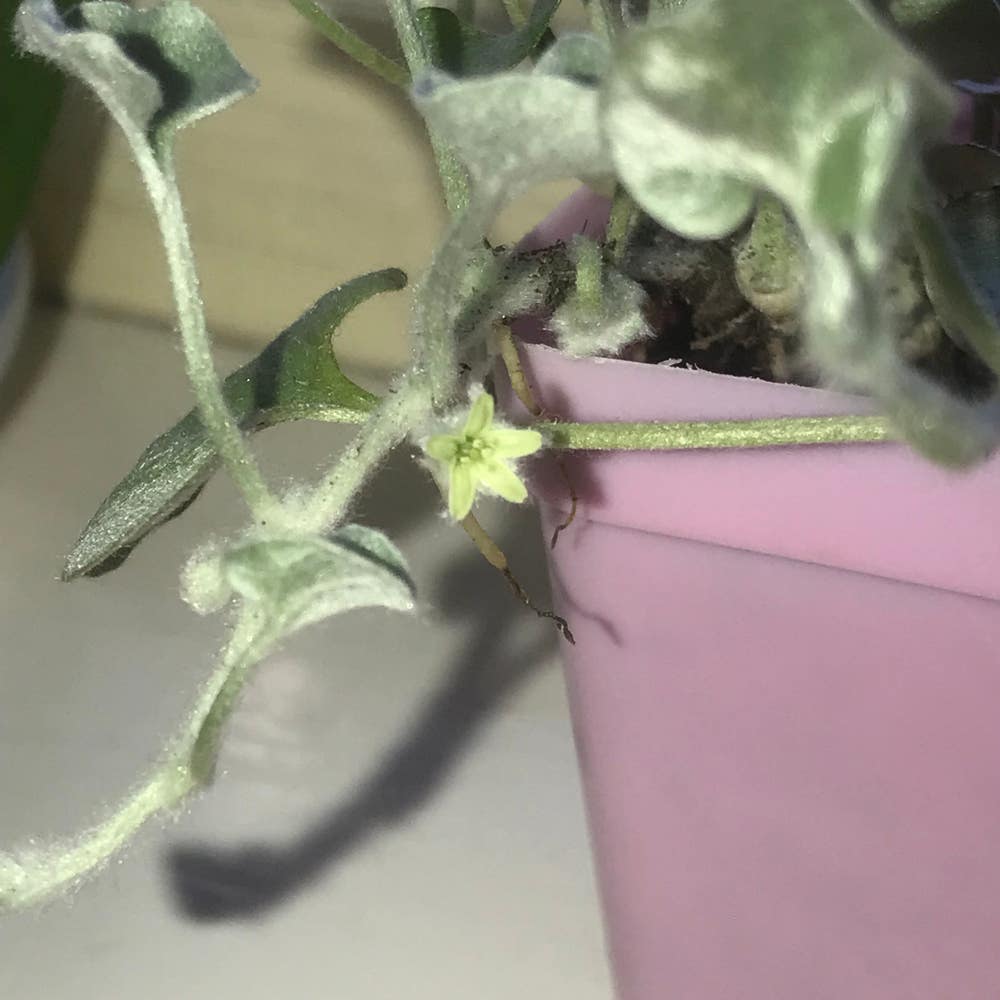
Ultimate Guide to Temperature for Dichondra 'Silver Falls' ☀️
Dichondra argentea 'Silver Falls'
By the Greg Editorial Team
Jan 08, 2025•4 min read
This article was created with the help of AI so we can cover more plants for you. May contain errors. See one? Report it here.
Unlock vibrant growth for your Dichondra 'Silver Falls' by mastering its temperature needs! 🌱
- 🌡️ Dichondra 'Silver Falls' thrives between 60°F and 75°F for optimal growth.
- ❄️🔥 Extreme temperatures below 50°F or above 85°F cause significant growth slowdown.
- 🌬️ Protect from wind and sudden temperature changes to prevent stress and damage.
Temperature Requirements for Growth
Optimal Temperature Range 🌡️
Dichondra 'Silver Falls' thrives best in a cozy temperature range of 60°F to 75°F (15°C to 24°C). This sweet spot encourages lush growth and vibrant foliage, making your garden a visual delight.
Growth Limitations Outside This Range ❄️
When temperatures dip below 50°F (10°C), growth slows significantly. Conversely, if the mercury rises above 85°F (29°C), your plant faces the risk of heat stress, which can hinder its vitality.
Importance of Maintaining Optimal Temperatures 🔥
Maintaining these optimal temperatures is crucial for ensuring vigorous growth and aesthetic appeal. A healthy Dichondra not only enhances your landscape but also brings a sense of tranquility to your outdoor space.
As you care for your Dichondra, keep an eye on the temperature. Understanding its needs will help you create the perfect environment for this stunning ground cover to flourish.
Temperature Stress Symptoms
Signs of Heat Stress 🌡️
Heat stress can be detrimental to your Dichondra 'Silver Falls'. Look for leaf curling and wilting, which indicate excessive heat and moisture loss.
Discoloration is another red flag; leaves may turn yellow or brown at the edges. Additionally, you might notice reduced growth, with slower spread and less vigorous foliage.
Signs of Cold Stress ❄️
Cold stress presents its own set of challenges. One of the first signs is leaf drop, where the plant prematurely sheds leaves in response to cold temperatures.
You may also observe browning of foliage, particularly at the tips and edges of leaves. Stunted growth is common during colder months, leading to reduced overall vigor and health.
Understanding these symptoms is crucial for maintaining the health of your Dichondra 'Silver Falls'. By recognizing the signs of temperature stress, you can take proactive measures to ensure your plant thrives.
Next, let's explore the causes of temperature stress and how to mitigate its effects.
Causes of Temperature Stress
🌬️ Environmental Factors
Temperature stress in Dichondra 'Silver Falls' can stem from several environmental factors. Prolonged exposure to extreme temperatures, whether hot or cold, can severely impact plant health.
Poor soil drainage is another critical issue. When water accumulates around the roots, it can exacerbate temperature-related problems, leading to root rot or other stress symptoms.
Additionally, a lack of shelter from wind can make the plant more vulnerable. Wind can amplify temperature fluctuations, putting extra strain on your Dichondra.
⚡️ Impact of Sudden Temperature Changes
Sudden temperature changes can shock your plants, leading to immediate stress symptoms. Rapid drops or spikes in temperature can disrupt their normal growth patterns.
To mitigate this shock, gradual acclimatization is essential. Allowing your Dichondra to adjust to changing conditions helps maintain its health and vigor.
Understanding these causes of temperature stress is vital for nurturing your Dichondra 'Silver Falls' effectively. By managing environmental factors and being mindful of temperature changes, you can ensure a thriving, beautiful plant.
Next, let’s explore the seasonal temperature considerations that can further impact your plant’s growth.
Seasonal Temperature Considerations
🌡️ Temperature Variations
Spring is a fantastic time for Dichondra 'Silver Falls' as temperatures begin to warm. This season provides the ideal conditions for growth, allowing the plant to thrive and spread.
As summer rolls in, the heat can be a double-edged sword. While the warm temperatures promote optimal growth, it's crucial to keep an eye out for extreme heat that could stress the plant.
With the arrival of fall, temperatures start to cool down. This is the time to prepare for potential frost, which can pose a risk to your beloved Dichondra.
Winter brings its own challenges, primarily the risk of frost damage. It's essential to take protective measures during this season to ensure your plant remains healthy and vibrant.
Understanding these seasonal temperature variations will help you provide the best care for your Dichondra 'Silver Falls,' ensuring it flourishes year-round.
Geographic Considerations
Best Growing Zones 🌍
Dichondra 'Silver Falls' flourishes in USDA hardiness zones 9-11. These zones typically encompass southern coastal areas and warmer inland regions, providing the ideal climate for this stunning ground cover.
Regional Temperature Impacts 🌡️
Understanding local climates is crucial for successful cultivation. Variability in microclimates can significantly affect how Dichondra grows, so it's essential to adjust care practices based on regional temperature trends.
Brief Mention of Humidity 💧
Moderate humidity levels enhance the optimal temperature range for Dichondra. However, high humidity can intensify heat stress, making it vital to monitor moisture levels in your garden.
With these geographic considerations in mind, you can create the perfect environment for your Dichondra 'Silver Falls' to thrive. Next, let's explore the seasonal temperature considerations that will further guide your care for this beautiful plant.
⚠️ Safety First
This content is for general information and may contain errors, omissions, or outdated details. It is not medical, veterinary advice, or an endorsement of therapeutic claims.
Always consult a qualified healthcare professional before using any plant as food, medicine, or supplement.
Never eat any plant (or feed one to pets) without confirming its identity with at least two trusted sources.
If you suspect poisoning, call Poison Control (800) 222-1222, the Pet Poison Helpline (800) 213-6680, or your local emergency service immediately.
Spotted an error? Please report it here.
Keep your Dichondra 'Silver Falls' thriving in its ideal temperature zone 🌡️ with Greg's personalized alerts and tips to avoid stress and ensure vibrant growth!