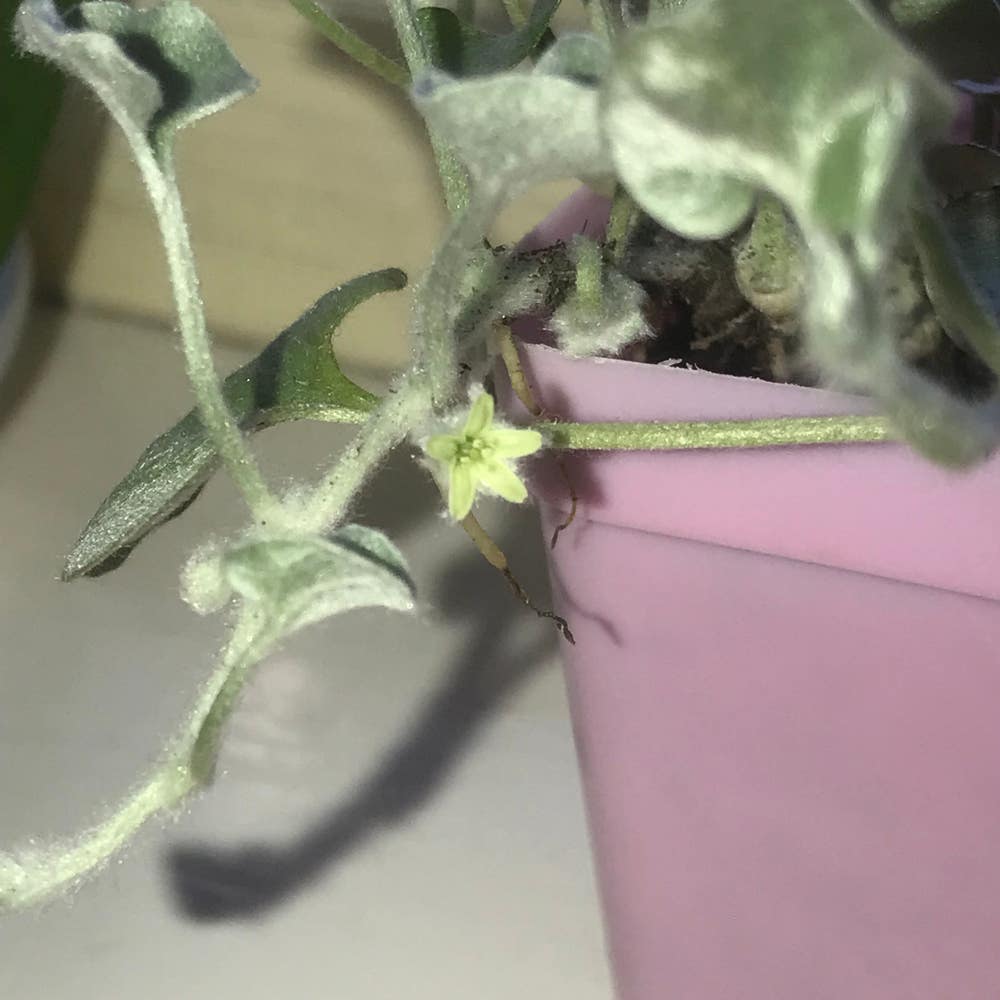
5 Tips for Propagating Your Dichondra 'Silver Falls'
Dichondra argentea 'Silver Falls'
By the Greg Editorial Team
Jan 08, 2025•7 min read
This article was created with the help of AI so we can cover more plants for you. May contain errors. See one? Report it here.
Unlock a thriving garden and save money by mastering plant propagation techniques! 🌱💰
- 🌱 Propagating Dichondra 'Silver Falls' is cost-effective for expanding your garden effortlessly.
- 🌞 Ideal conditions include bright, indirect light and warmth for successful rooting.
- ✂️ Healthy cuttings should be 4-6 inches long and taken below a leaf node.
Benefits of Propagation
💰 Cost-Effective Gardening
Propagating your own plants is a fantastic way to save money. Instead of buying new plants, you can create your own, making gardening more affordable.
🌱 Expanding Garden Space
Propagation allows you to easily increase the number of plants in your garden. Whether for outdoor landscaping or container gardening, you can fill your space with lush greenery.
🎨 Customization
One of the joys of propagation is the ability to customize your plants. You can tailor their growth and arrangement to fit your specific aesthetic preferences, creating a garden that truly reflects your style.
🌿 Resilience
By propagating plants that thrive in your local conditions, you cultivate resilience. These plants are better adapted to your environment, leading to a more robust and sustainable garden.
With these benefits in mind, you're ready to dive into the practical aspects of propagating your Dichondra 'Silver Falls'. Let's explore the various methods you can use to grow your plants successfully.
Stem Cuttings
How to Take Stem Cuttings 🌱
To start propagating your Dichondra 'Silver Falls', select healthy, vigorous stems that are not flowering. Aim for cuttings that are 4-6 inches long, making your cut just below a leaf node.
Next, remove the lower leaves, leaving 2-3 at the top. This allows the plant to photosynthesize while focusing energy on root development.
Preparing Cuttings for Propagation 🧼
Before you begin, ensure your tools are clean. Sterilized scissors or pruning shears will help prevent disease from affecting your cuttings.
Once cut, allow your stem cuttings to callous by placing them in a dry area for a few hours. This step reduces moisture loss and prepares them for rooting.
Using Rooting Hormone 💊
For an extra boost, dip the cut end of each stem in rooting hormone. This encourages root development and significantly increases your chances of success.
Using rooting hormone can speed up the rooting process, giving your cuttings a better start in life.
Ideal Conditions for Rooting 🌞
Once your cuttings are prepared, place them in bright, indirect light. This helps them thrive without the risk of scorching.
Maintain a warm environment, ideally around 70°F (21°C), to promote healthy growth. Additionally, using a humidity dome or plastic bag can help retain moisture, creating the perfect conditions for rooting.
By following these steps, you’ll set your Dichondra 'Silver Falls' up for successful propagation. Next, let’s explore how to propagate using leaf cuttings.
Leaf Cuttings
🌿 Selecting Healthy Leaves
To start propagating your Dichondra 'Silver Falls', focus on selecting mature, healthy leaves. Look for those that are free from pests and diseases, as this will set the foundation for successful growth.
Larger leaves are preferable for propagation success. They contain more nutrients and can support the development of new roots more effectively.
✂️ Preparing Leaf Cuttings
Once you've chosen your leaves, it's time to prepare them for propagation. Trim the leaves into sections, ensuring that each piece has a vein, as this is crucial for root development.
After cutting, allow the sections to callous by letting them dry for a few hours. This step helps prevent rot when you plant them.
💧 Water vs. Soil Propagation for Leaf Cuttings
You have two effective methods for propagating leaf cuttings: water and soil. For water propagation, simply place the leaf sections in a container filled with water and wait for roots to develop, which typically takes 2-4 weeks.
Alternatively, you can opt for soil propagation by planting the leaf sections directly into a well-draining soil mix. Keep the soil moist to encourage growth, and watch as your new plants begin to thrive.
With these techniques, you're well on your way to expanding your garden with beautiful Dichondra 'Silver Falls'. Next, let's explore the step-by-step guide for water propagation, which is a straightforward and rewarding method.
Water Propagation
🌊 Step-by-Step Guide to Water Propagation
Water propagation is an easy and effective method for rooting your Dichondra 'Silver Falls' cuttings.
- Prepare a container: Use a clear glass or jar for visibility, allowing you to monitor root development.
- Fill with water: Opt for distilled or rainwater to avoid harmful chemicals that can hinder growth.
- Place cuttings: Submerge the cut ends in water, ensuring that leaves remain above the water line to prevent rot.
- Change water regularly: Refresh the water every few days to maintain quality and oxygen levels.
💧 Maintaining Water Quality
Keeping your water clean is crucial for successful propagation.
- Monitor for algae growth: Clean the container as needed to prevent algae buildup, which can suffocate roots.
- Ensure adequate light: Place your container in bright, indirect sunlight to promote healthy growth without scorching the cuttings.
🌱 Transplanting to Soil
Once your cuttings have developed roots, it’s time to move them to soil.
- Timing: Transplant when roots are 2-3 inches long for the best chance of survival.
- Soil preparation: Use a well-draining potting mix to provide a healthy environment for your new plants.
- Transplanting method: Gently remove the cuttings from water and plant them in soil, watering lightly to settle the roots.
Transitioning from water to soil is a pivotal moment in your propagation journey. With the right care, your Dichondra 'Silver Falls' will thrive and flourish in its new home.
Soil Propagation
Choosing the Right Soil Mix 🌱
To ensure successful propagation of your Dichondra 'Silver Falls', selecting the right soil mix is crucial. A blend of potting soil, perlite, and peat moss provides excellent drainage and aeration, promoting healthy root development.
Aim for a slightly acidic to neutral pH level, ideally between 6.0 and 7.0. This range supports optimal nutrient availability for your cuttings.
Planting Cuttings in Soil 🌿
Once you have your soil mix ready, it's time to plant your cuttings. Start by making holes in the soil using a pencil or your finger to create space for each cutting.
Carefully insert the cuttings into these holes, ensuring they are secure. After placing them, gently press the soil around the cuttings to eliminate any air pockets, which can hinder root growth.
Watering and Care After Planting 💧
After planting, give your cuttings a thorough initial watering to help settle the soil around them. This step is essential for establishing a good foundation.
For ongoing care, keep the soil consistently moist but avoid overwatering, as soggy conditions can lead to rot. Regularly monitor your cuttings for any signs of stress, adjusting your care routine as needed.
With the right soil mix and proper care, your Dichondra 'Silver Falls' cuttings will thrive, setting the stage for a lush, vibrant garden. Next, let’s explore common challenges you might face during propagation and how to overcome them.
Common Challenges and Solutions
🐛 Pests and Diseases in Propagation
When propagating your Dichondra 'Silver Falls', pests like aphids and spider mites can become unwelcome guests. To keep your cuttings healthy, consider using insecticidal soap or neem oil as preventive measures.
🌱 Troubleshooting Rooting Issues
If your cuttings are struggling to develop roots, check the humidity and temperature levels. A little rooting hormone can also boost your success rate.
If you notice your cuttings are rotting, it's crucial to avoid overwatering. Ensure that your propagation medium has good drainage to keep your plants thriving.
⏰ Timing and Seasonal Considerations
The best time for propagating your plants is during spring and early summer when growth is at its peak. Keep an eye on environmental conditions and adjust your care routine as needed to support healthy growth.
With these tips, you'll be well-equipped to tackle common challenges in propagating your Dichondra 'Silver Falls'. Now, let's explore the various propagation methods in detail!
⚠️ Safety First
This content is for general information and may contain errors, omissions, or outdated details. It is not medical, veterinary advice, or an endorsement of therapeutic claims.
Always consult a qualified healthcare professional before using any plant as food, medicine, or supplement.
Never eat any plant (or feed one to pets) without confirming its identity with at least two trusted sources.
If you suspect poisoning, call Poison Control (800) 222-1222, the Pet Poison Helpline (800) 213-6680, or your local emergency service immediately.
Spotted an error? Please report it here.
Transform your garden with thriving Dichondra 'Silver Falls' 🌿 by using Greg's tailored care tips and reminders to ensure your cuttings flourish every step of the way!