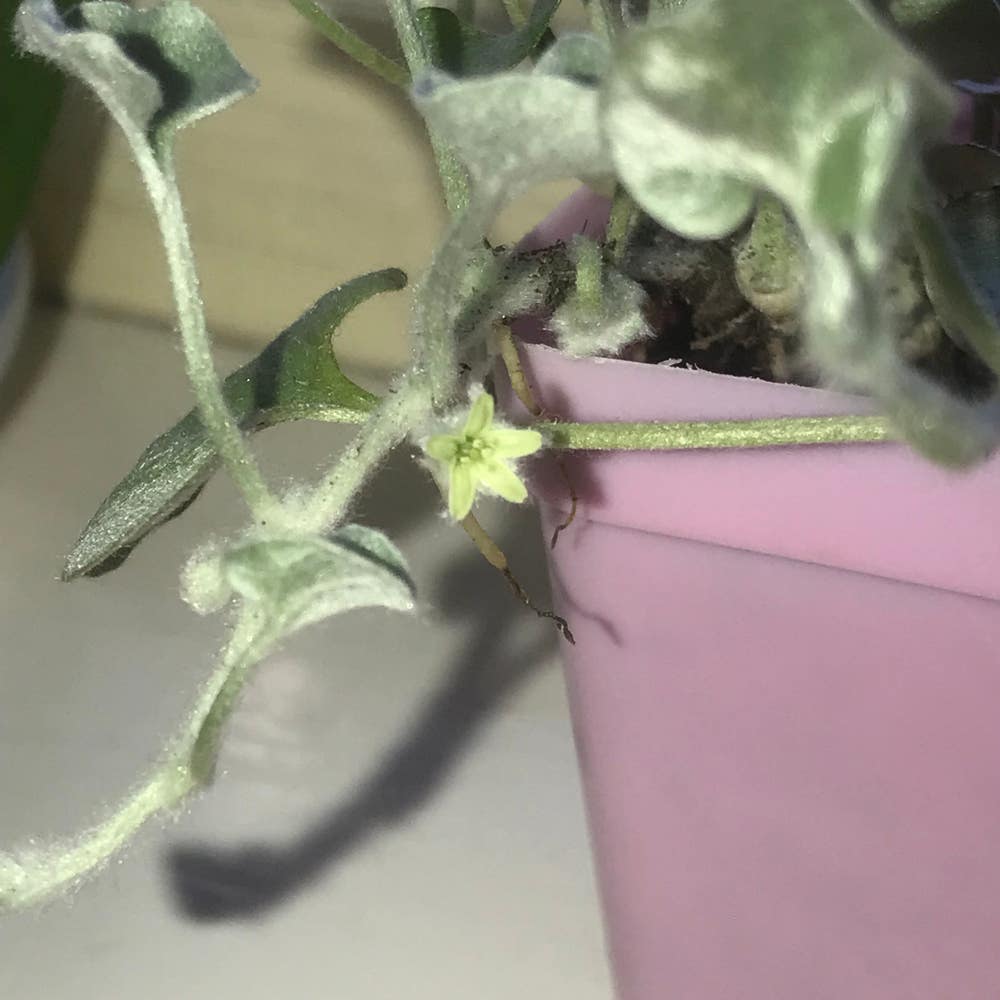
10 Tips for How to Plant Your Dichondra 'Silver Falls' 💧
Dichondra argentea 'Silver Falls'
By the Greg Editorial Team
Jan 08, 2025•5 min read
This article was created with the help of AI so we can cover more plants for you. May contain errors. See one? Report it here.
Elevate your garden's beauty with Dichondra 'Silver Falls' by mastering the art of planting or transplanting! 🌿
- 🌱 Plant Dichondra from seeds or established plants for cost-effective and adaptable options.
- 🌞 Best planting times are spring or early fall; avoid extreme temperatures for success.
- 💧 Maintain consistent moisture and use well-drained soil for optimal growth and health.
Benefits and Considerations
When deciding between planting new Dichondra 'Silver Falls' or transplanting established plants, several factors come into play. Each option has its unique benefits that can influence your gardening experience.
💰 Cost Considerations
Planting new Dichondra typically involves lower initial costs. Seeds or young plants are often more affordable than established specimens, making them a budget-friendly choice for gardeners.
⏳ Time to Maturity
Newly planted Dichondra may take longer to establish compared to transplanting established plants. However, with proper care, they can adapt quickly and flourish, providing a lush ground cover in due time.
🌱 Adaptability to Local Conditions
New plants often adapt better to local growing conditions. They can acclimate to your garden's specific climate, soil type, and sunlight exposure, leading to healthier growth.
⚡ Established Plants: The Quick Fix
On the other hand, transplanting established Dichondra can yield immediate results. If you have healthy plants ready to move, this option can provide instant coverage and beauty in your garden.
⚖️ Balancing Choices
Ultimately, the choice between planting new or transplanting established Dichondra depends on your gardening goals. Consider your budget, desired timeline, and local conditions to make the best decision for your space.
In the next section, we’ll dive into the optimal timing for planting new Dichondra, ensuring you get the most out of your gardening efforts.
Planting New Dichondra
🌱 Optimal Timing for Planting
The best time to plant Dichondra 'Silver Falls' is during spring or early fall. This timing aligns with the local climate and the plant's growth cycle, ensuring optimal conditions for establishment.
Avoid planting during extreme temperatures, as this can stress the young plants and hinder their growth.
🪴 Selecting Soil Mix and Containers
Dichondra thrives in well-drained, fertile soil. A recommended soil mix consists of equal parts potting soil, perlite, and compost, providing the right balance of nutrients and drainage.
If you're container gardening, choose pots with drainage holes to prevent waterlogging, which can lead to root rot.
📏 Depth and Spacing for Planting
When planting, aim for a depth of 1-2 inches. This depth allows the roots to establish while keeping the foliage above ground.
Space your plants 12-24 inches apart to give them room to grow and trail, creating a lush, cascading effect.
🌤️ Maintaining Ideal Growing Conditions
Initially, ensure consistent moisture during the establishment phase. This is crucial for helping the plants settle into their new environment.
Dichondra prefers full sun to partial shade, requiring 6-8 hours of sunlight daily. Keep an eye on temperature and humidity levels to maintain a healthy growing environment.
🌳 Hardening Off Process
Hardening off is the process of acclimatizing your plants to outdoor conditions. This step is essential for ensuring a smooth transition from indoors to the garden.
Start this process 7-10 days before planting outdoors. Gradually increase outdoor exposure time, beginning with 1-2 hours in a sheltered location, and then slowly introduce them to direct sunlight and wind.
By following these guidelines, you'll set your Dichondra 'Silver Falls' up for success, paving the way for a vibrant and thriving display in your garden. Next, we’ll explore how to transplant established Dichondra for those looking to move their plants.
Transplanting Established Dichondra
🌱 Optimal Timing for Transplanting
Transplanting your Dichondra 'Silver Falls' is best done in early spring or fall. Timing is crucial; ensure the plant is healthy and consider local climate conditions to avoid extreme heat or cold during the process.
🛠️ Step-by-Step Instructions for Transplanting
Removing the Plant
- Water the plant thoroughly a day before transplanting to hydrate the roots.
- Gently dig around the root zone to loosen the soil, making it easier to lift.
- Carefully lift the plant, keeping as much soil around the roots as possible to minimize shock.
Preparing the New Site
- Choose a location with well-drained soil and ample sunlight for optimal growth.
- Amend the soil if necessary, ensuring it meets the specific requirements for Dichondra.
- Dig a hole that is twice the width of the root ball to give the roots plenty of room to spread.
Ensuring Proper Placement and Spacing
Position the plant in the center of the hole, ensuring it is stable. Fill in with soil, making sure the top of the root ball is level with the soil surface, and maintain a spacing of 12-24 inches apart to allow for healthy growth.
💧 Tips for Watering, Mulching, and Support
After transplanting, soak the area immediately to help settle the soil. Apply a 2-3 inch layer of organic mulch to retain moisture and suppress weeds. If your Dichondra is trailing, consider using stakes or supports to help it thrive.
Transplanting can be a rewarding experience, setting your plants up for success in their new home. With the right timing and care, your Dichondra 'Silver Falls' will flourish beautifully.
Troubleshooting Common Issues
Addressing Transplant Shock 🌱
Transplant shock can be a real bummer for your Dichondra 'Silver Falls.' Look out for symptoms like wilting, yellowing leaves, and stunted growth, which signal that your plant is struggling.
To prevent this, ensure proper watering and care during the transition. After transplanting, keep a close eye on your plant's health and be patient; recovery may take time.
Solutions for Establishment Problems 🛠️
Sometimes, your Dichondra may face establishment problems, such as poor growth or inadequate moisture. Nutrient deficiencies can also hinder its progress.
To tackle these issues, adjust your watering schedule, amend the soil as needed, or consider fertilizing to give your plant a boost.
Common Pests and Diseases 🐛
Be vigilant about potential pests that could invade your Dichondra, including aphids, spider mites, and whiteflies. These little nuisances can wreak havoc if not addressed promptly.
Additionally, watch for disease concerns like root rot and fungal infections. Regular inspection, using organic pesticides, and maintaining overall plant health through proper care can help keep these threats at bay.
With these troubleshooting tips, you can ensure your Dichondra 'Silver Falls' thrives beautifully in your garden!
⚠️ Safety First
This content is for general information and may contain errors, omissions, or outdated details. It is not medical, veterinary advice, or an endorsement of therapeutic claims.
Always consult a qualified healthcare professional before using any plant as food, medicine, or supplement.
Never eat any plant (or feed one to pets) without confirming its identity with at least two trusted sources.
If you suspect poisoning, call Poison Control (800) 222-1222, the Pet Poison Helpline (800) 213-6680, or your local emergency service immediately.
Spotted an error? Please report it here.
Transform your garden with thriving Dichondra 'Silver Falls' 🌿 by using Greg's tailored watering alerts and expert tips to ensure your plants flourish beautifully!