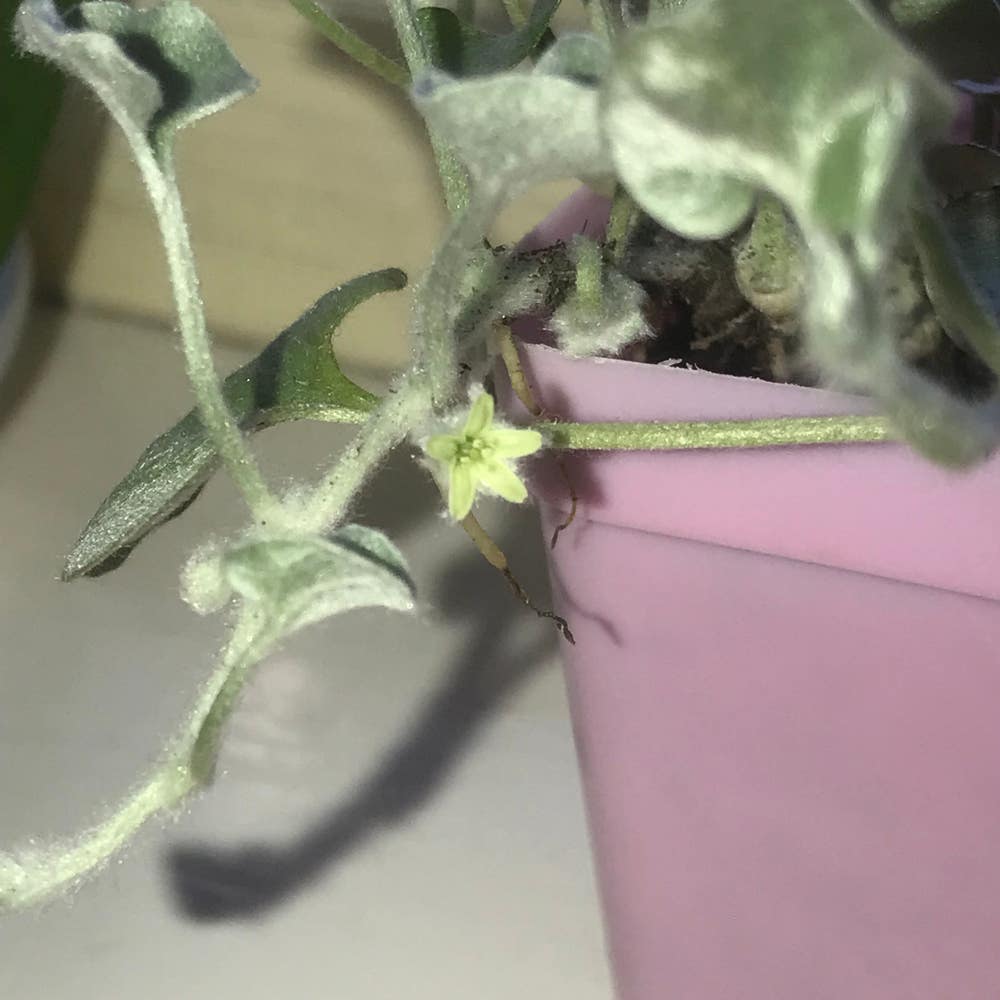
What Do I Do About Silver Falls Dichondra Root Rot?
Dichondra argentea 'Silver Falls'
By the Greg Editorial Team
Feb 07, 2024•3 min read
This article was created with the help of AI so we can cover more plants for you. May contain errors. See one? Report it here.
Rescue your Silver Falls Dichondra from root rot and ensure its lush future with our expert guide! 🌿🚫
- 🍂 Wilting, yellowing leaves, and foul odor signal root rot in Dichondra.
- 🚱 Cease watering and aerate soil to halt root rot progression.
- 🌱 Use well-draining soil and terracotta pots for long-term root health.
Spotting Trouble: Recognizing Root Rot in Your Plant
🚩 Visual Red Flags
Wilting and yellowing leaves are the plant's distress signals, suggesting that Silver Falls Dichondra is in trouble. If the roots are mushy and brown, resembling overcooked noodles, root rot is likely the culprit. These symptoms are the plant's equivalent of waving a white flag, demanding immediate attention.
🕵️ Beyond the Surface
Sometimes, the signs of root rot aren't immediately visible. A foul odor emanating from the soil can be a telltale sign of decay. Additionally, if leaves are dropping as if the plant is shedding its responsibilities, it's time to investigate the roots. This could indicate a serious problem lurking beneath the surface, where the roots reside.
First Response: Immediate Steps to Address Root Rot
🚱 Stop the Waterworks
Cease watering immediately to prevent further damage. It's time to let the soil dry out, which may seem odd but is essential for the plant's recovery. Resist the urge to quench your Silver Falls Dichondra's thirst until the top inch of soil feels as dry as a debate on the moon's best crater.
🌬️ Get the Roots Some Air
Aerate the soil to improve oxygen flow to the roots. Use a toothpick or a small stick to gently poke holes around the plant base, being careful not to wage war on the roots. Think of it as giving your plant's roots a much-needed breather after being waterboarded by overzealous watering.
Root Rehab: Long-Term Recovery Strategies
🌱 Soil and Pot Overhaul
Well-draining soil is non-negotiable for Silver Falls Dichondra's comeback. Mix in perlite or sand to keep it airy, ensuring roots can breathe and water can escape.
Choose a container that's like a good pair of jeans—fits just right and has enough holes. Terracotta pots are ideal; they wick away moisture, reducing the risk of soggy soil.
🍄 Fungus Among Us: Dealing with Pathogens
When root rot is a fungal fiesta, it's time to crash the party. Fungicides can be your bouncer, but use them wisely. Only apply after you've cut away the rotten roots and repotted in fresh soil.
Sterilize your tools before and after use to prevent spreading the problem. It's like washing your hands in the plant world—basic hygiene.
Remember, recovery is a marathon, not a sprint. Keep the soil well-draining and the environment clean, and your Silver Falls Dichondra will thank you.
Keeping It Dry: Prevention Tactics for a Healthy Future
💧 Water Wisdom
Early morning watering sets the stage for a day free from root rot. It's all about timing—let the sun do the drying. Keep the soil moist, but think of a swamp as your worst enemy. Consistency is key; erratic watering is like playing a dangerous game with your plant's health.
🌬️ Environment Control
Air circulation isn't just a nice-to-have, it's a must. Stagnant air is the silent killer of healthy roots. Keep things breezy, and you'll keep root rot at bay. Temperature and humidity control are like the thermostat for plant health—set it right to avoid a root rot invite.
⚠️ Safety First
This content is for general information and may contain errors, omissions, or outdated details. It is not medical, veterinary advice, or an endorsement of therapeutic claims.
Always consult a qualified healthcare professional before using any plant as food, medicine, or supplement.
Never eat any plant (or feed one to pets) without confirming its identity with at least two trusted sources.
If you suspect poisoning, call Poison Control (800) 222-1222, the Pet Poison Helpline (800) 213-6680, or your local emergency service immediately.
Spotted an error? Please report it here.
Combat Silver Falls Dichondra root rot with aerated soil and timely care 🌬️, and let Greg's custom reminders keep your watering schedule on point for a healthy recovery.