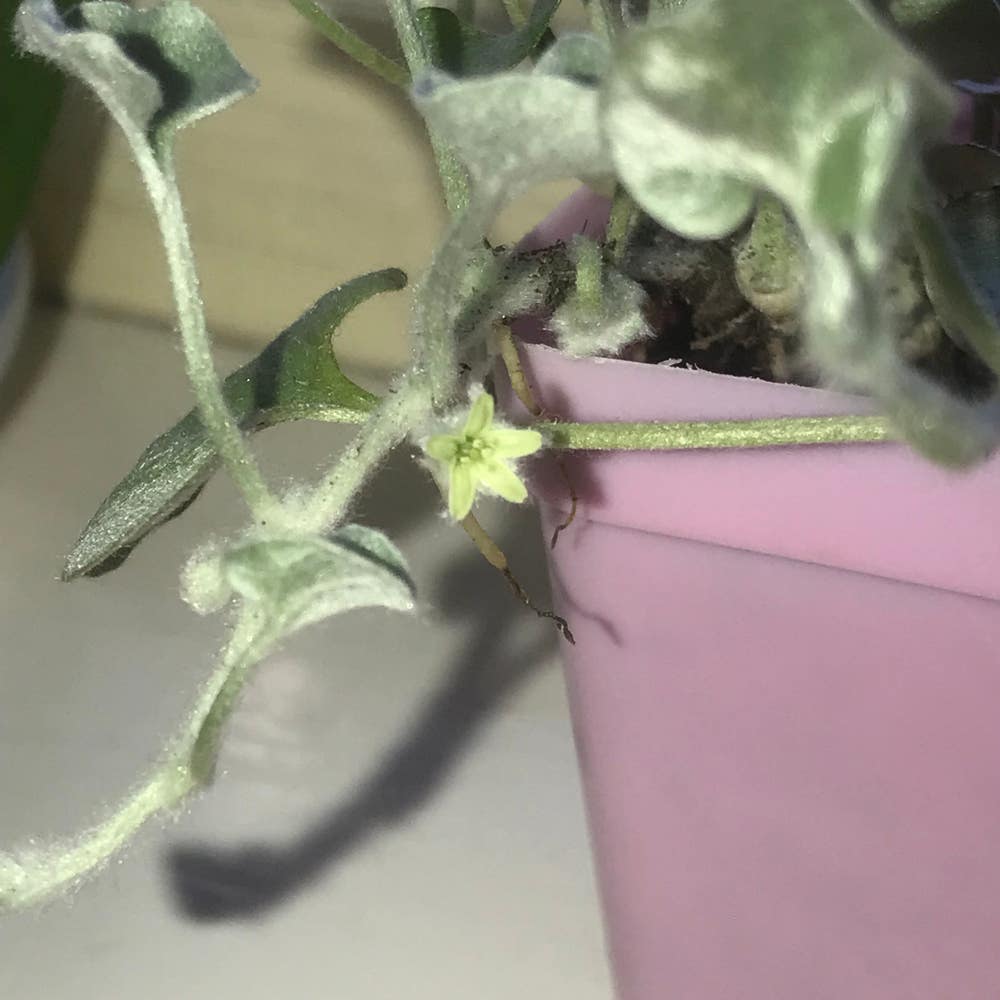
How Frequently Should I Water My Silver Falls Dichondra?
Dichondra argentea 'Silver Falls'
By the Greg Editorial Team
Feb 07, 2024•4 min read
This article was created with the help of AI so we can cover more plants for you. May contain errors. See one? Report it here.
Ensure your Silver Falls Dichondra flourishes 🌿 by nailing the ideal watering routine for its needs.
- Check top inch of soil with finger test before watering.
- Adjust for seasons: More in spring/summer, less in fall/winter.
- Tailor to environment: Indoor conditions and outdoor climate are key.
When to Water: Reading the Signs
🌱 Checking the Soil's Top Layer
Before you water your Silver Falls Dichondra, perform the finger test. Push your finger into the soil up to the first knuckle. If the top inch is dry, it's time to water. This tactile approach beats any schedule.
🌿 Plant Behavior Clues
Your Dichondra will tell you when it's thirsty. Look for wilting leaves as a plea for water. On the flip side, yellowing leaves might mean you've been overzealous with the watering can. Keep an eye out for these visual cues and adjust your watering habits accordingly.
Tailoring Watering to Your Environment
💧 Home Environment Factors
Indoor temperature, humidity, and airflow aren't just comfort factors for you; they're vital for your Silver Falls Dichondra's well-being. Adjust your watering based on these variables. Dry, heated air in winter? That's a cue for more frequent hydration. Summer's humid embrace means easing up on the watering can.
🌞 Outdoor Considerations
Sun exposure and local climate aren't just small talk topics; they're critical to your Dichondra's thirst levels. Full sun spots will have your plant guzzling water, while shady retreats slow down its drinking pace. Monitor the weather; a surprise rain shower could give you a day off from watering duties, but a heatwave might mean doubling down.
Seasonal Shifts: Adapting Your Watering Routine
🌱 Growing Season Peaks
During spring and summer, Silver Falls Dichondra hits its stride, demanding more water to fuel its vigorous growth. It's a thirsty beast when the sun is high, and the days are long. Increase watering to keep pace with its zest for life, but don't drown it in your enthusiasm.
❄️ Dormant Season Adjustments
Come fall and winter, it's time to dial it back. Your Dichondra isn't dead, it's just chilling—literally. Reduce watering as the plant's metabolism slows down. Overwatering now is like force-feeding a hibernating bear; it's not going to end well.
🌍 Regional Climate Impact
Your local climate isn't just small talk; it's a vital factor in your watering schedule. If you're living in a desert, your plant might still be parched in the winter. But if you're in a more humid area, you can afford to be a bit more hands-off. Let the local weather be your watering whisperer.
Adapting to Seasonal Changes
In the transitional seasons of spring and fall, your watering routine should be as balanced as your favorite yoga pose. Not too much, not too little—find that sweet spot. As the temperatures and daylight hours shift, so should your watering can's workload. Keep an eye on the soil and your plant's body language to stay on point.
Watering Techniques for Success
💧 The Right Amount
Determining how much water to use each time is more art than science. You're aiming for moist, not a swamp. A good rule of thumb is to water until you see it escape through the drainage holes—no more, no less. This ensures the root ball is adequately saturated. Overwatering is the equivalent of giving your plants a bath with a fire hose—unnecessary and destructive.
💦 The Right Method
Best practices for watering without causing harm are crucial. Pour slowly; think of it as a gentle rain shower for your Silver Falls Dichondra. This method encourages deep watering that reaches the roots, where it counts. Avoid the leaves to prevent fungal issues—wet foliage is a party invitation for diseases. If you're using tap water, let it sit to reach room temperature and to allow chlorine to evaporate. Remember, your plant is not a fan of ice-cold showers or a hot tub soak.
Drip irrigation is the ninja of watering, delivering moisture stealthily to the roots and avoiding drama. For the tech-savvy, moisture meters can take the guesswork out of the equation, but don't ignore the classic finger test—stick it an inch into the soil; if it's dry, it's time to water.
Lastly, adapt your technique to your plant's performance. If it's thriving, keep up the good work. If it's struggling, don't be afraid to switch things up. Your plant's life is literally in your hands—no pressure.
⚠️ Safety First
This content is for general information and may contain errors, omissions, or outdated details. It is not medical, veterinary advice, or an endorsement of therapeutic claims.
Always consult a qualified healthcare professional before using any plant as food, medicine, or supplement.
Never eat any plant (or feed one to pets) without confirming its identity with at least two trusted sources.
If you suspect poisoning, call Poison Control (800) 222-1222, the Pet Poison Helpline (800) 213-6680, or your local emergency service immediately.
Spotted an error? Please report it here.
Ensure your Silver Falls Dichondra is perfectly watered 💧 with Greg's personalized reminders that consider your home's environment and the plant's seasonal cycles.