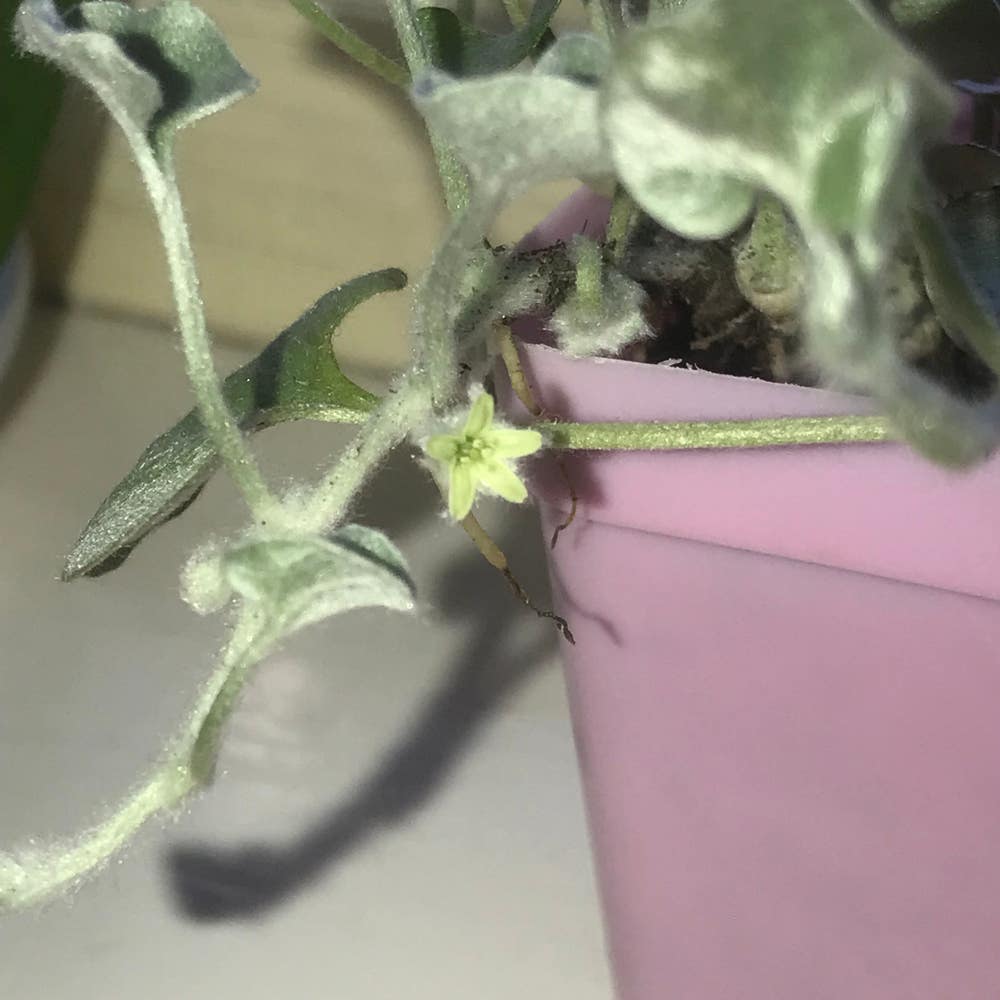
Light Requirements For My Silver Falls Dichondra
Dichondra argentea 'Silver Falls'
By the Greg Editorial Team
Feb 07, 2024•3 min read
This article was created with the help of AI so we can cover more plants for you. May contain errors. See one? Report it here.
Ensure your Silver Falls Dichondra thrives with the right light, avoiding sun damage. 🌿⛅
- 🌤️ Morning light is best for Silver Falls Dichondra; avoid midday sun.
- Leaf discoloration signals distress; use dappled light for protection.
- Grow lights supplement when natural light is insufficient; choose LED or fluorescent.
Soaking Up the Sun: Ideal Outdoor Lighting for Silver Falls Dichondra
🌞 Finding the Sweet Spot
Silver Falls Dichondra flourishes in that Goldilocks zone of sunlight—not too much, not too little. This plant thrives under bright, indirect light. Direct sunlight, especially during the scorching midday, can be harsh on its delicate foliage.
Morning light is your best bet, providing gentle rays that wake the plant without overwhelming it. Aim for a location that basks in the early sun but transitions to shade as the day heats up.
🛡️ Protecting Your Plant
Keep an eye out for leaf discoloration or wilting—classic distress signals from too much sun. If your Silver Falls Dichondra's leaves look like they've had a rough day at the beach, it's time to intervene.
Creating dappled sunlight conditions is like throwing a parasol over your plant. Use taller plants, a sheer curtain, or a strategically placed trellis to filter those intense rays. This mimics the natural environment of Silver Falls Dichondra, where it enjoys the speckled light under larger plants or trees.
Bringing the Outside In: Indoor Lighting Mastery
💡 Window Wisdom
East-facing windows are your Silver Falls Dichondra's best friend, offering gentle morning light without the harsh midday sun. But don't get too comfy; seasons change, and so does light intensity. You might need to play musical chairs with your plant to keep it basking in that sweet spot.
💡 Managing Light Intensity
Come winter, your plant will crave every ray it can get. South-facing windows can be a winter haven, soaking up the scarce sunlight. But beware the summer scorch—those same windows can turn into a solar cooker. A sheer curtain can save the day, acting like sunglasses for your plant.
💡 Artificial Sun: Grow Lights to the Rescue
When the sun plays hard to get, grow lights step in. Think of them as a personal sun for your Silver Falls Dichondra. LED or fluorescent bulbs that mimic the sun's spectrum are your go-to. They're like a vitamin D supplement for your plant's soul.
💡 Choosing the Right Grow Light Setup
Not all grow lights are created equal. Spectrum and intensity matter. You want a light that says, "I got you covered," not "I'm here to fry you." Adjustable stands and timers can make your life easier, giving your plant consistent "sunlight" without you having to play God with the on-off switch.
The Tell-Tale Signs: What Your Silver Falls Dichondra's Light Needs Are
🌞 Growth and Color
Silver Falls Dichondra, with its silvery foliage, thrives when it catches the right rays. Bright light enhances the leaf color and encourages robust growth. If your plant's leaves seem lackluster or the silver sheen is dulling, it's likely craving more sunlight. Conversely, if the leaves show signs of scorching or fading, it's a clear signal to dial back the direct exposure.
💐 Flowering and Light
While the cascading leaves are the main show, Silver Falls Dichondra does bloom. Optimal light is a key player in flower production. If you're seeing fewer flowers or none at all, reassess the light situation. It might be time to shift your plant to a sunnier spot or consider supplemental lighting to encourage those blooms. Remember, it's not just about quantity; the quality of light matters too.
⚠️ Safety First
This content is for general information and may contain errors, omissions, or outdated details. It is not medical, veterinary advice, or an endorsement of therapeutic claims.
Always consult a qualified healthcare professional before using any plant as food, medicine, or supplement.
Never eat any plant (or feed one to pets) without confirming its identity with at least two trusted sources.
If you suspect poisoning, call Poison Control (800) 222-1222, the Pet Poison Helpline (800) 213-6680, or your local emergency service immediately.
Spotted an error? Please report it here.
Let your Silver Falls Dichondra flourish ☀️ with Greg's PlantVision, which measures light exposure and reminds you when to adjust for that perfect shimmer.