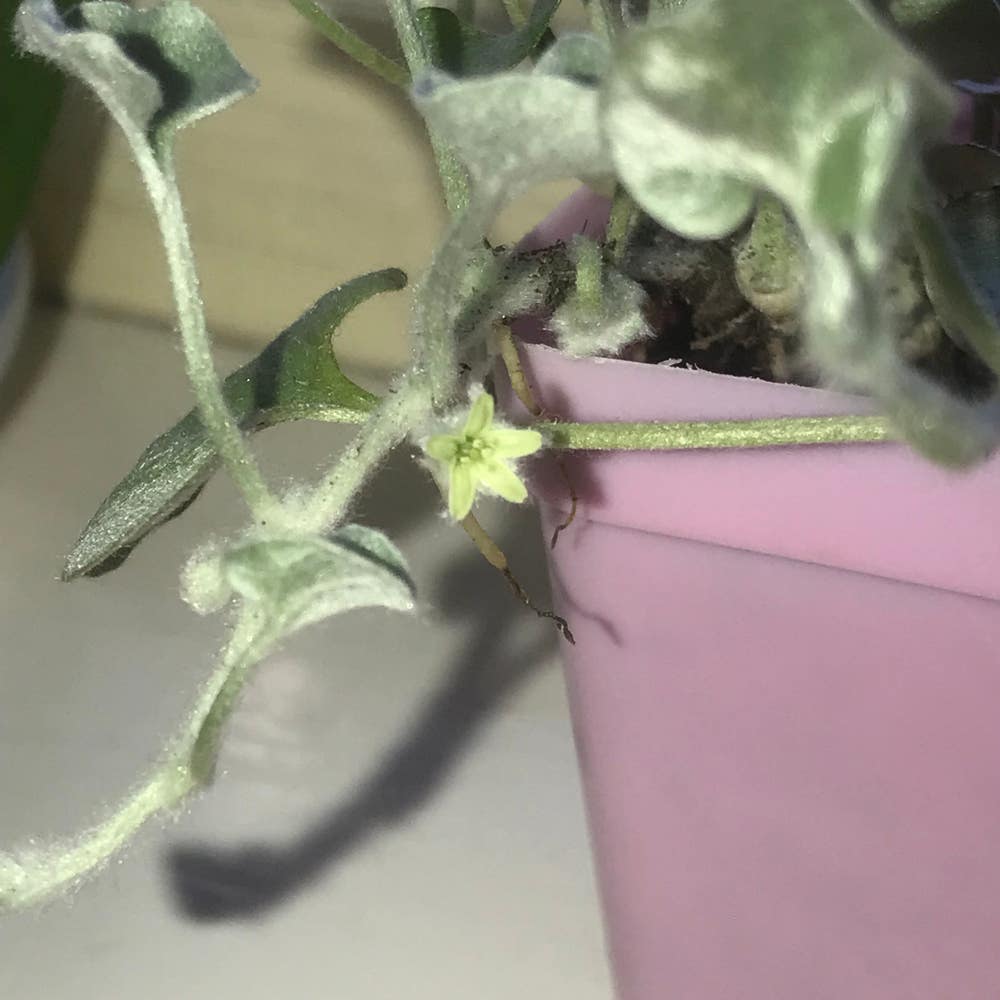
Why Are My Silver Falls Dichondra Leaves Droopy? 😔
Dichondra argentea 'Silver Falls'
By the Greg Editorial Team
Feb 07, 2024•5 min read
This article was created with the help of AI so we can cover more plants for you. May contain errors. See one? Report it here.
Discover how to turn limp Silver Falls Dichondra leaves into lush, firm foliage with the right care 🌿💧.
- Droopy leaves signal distress, not just natural behavior; investigate further.
- Balance water and light to prevent droopiness; adjust with seasons.
- Ensure proper drainage and aeration for firm foliage and root health.
Spotting the Droop: Diagnosis First
🔍 Quick Visual Checks
Droopy leaves on your Silver Falls Dichondra can be a real downer, signaling that your plant might be in distress. Start with a visual inspection: leaves hanging lower than usual or feeling less firm are your first red flags.
👐 Tactile Tests
Give your plant a gentle touch. If the leaves lack their usual springiness, it's not just your plant being dramatic—it's a cry for help.
🌱 Natural Behaviors vs. Distress
Not all droopiness is a cause for alarm. New growth might naturally sag a bit before perking up. But if you see a trend, it's time to play plant detective.
🌍 Environmental Factors
Consider the environment. Has there been a recent change in room temperature or lighting? Sometimes, what looks like a plant problem is just a plant reacting to a shift in its surroundings.
💧 The Watering Connection
Overwatering and underwatering can both lead to droopiness. Check the soil moisture; if it's too dry or too soggy, your watering habits might need tweaking.
🌦️ Seasonal Changes
Be aware of the seasons. Your plant's water needs can change with the weather, and what worked in the summer might not cut it in the winter.
🌿 Overall Plant Health
Don't just focus on the leaves. Take a holistic view of your plant's health. Are there other signs of distress, like yellowing leaves or stunted growth? These could be clues to the underlying issue.
Remember, spotting the droop is just the first step. Once you've identified that there's a problem, it's time to dive deeper into potential causes and solutions.
Thirsty or Drowning? Water Woes Uncovered
🏜️ Underwatering: The Dry Spell Disaster
Wilting and dryness are the plant's way of crying out for hydration. Underwatered Silver Falls Dichondra leaves lose their vigor, sagging in a silent plea for water.
🚰 Overwatering: The Soggy Roots Syndrome
Beware of yellowing leaves and stems that feel like yesterday's overcooked spaghetti—these are the telltale signs of overwatering. Root rot often follows, leading to a droopy demise.
Spotting the Signs: Wilting and Dryness
Crispy leaves and soil that crumbles like a stale cookie are your red flags for underwatering. If the pot feels lighter than your last grocery bag, it's time to water.
The Root of the Problem: Root Rot
Mushy stems and a musty smell from the soil scream overwatering. When roots can't breathe, they give up, and your plant's leaves droop in despair.
Adjusting Your Approach
Moderation is key. Adjust watering with the seasons—less in the cooler months, more when the sun's in full swing. Always allow excess water to drain to prevent a root-soaking sob fest.
Light and Temperature: The Balancing Act
🌞 Too Much Sun or Not Enough? Light Levels Examined
Silver Falls Dichondra can be quite the diva when it comes to lighting. If the leaves start looking pale and growth seems stunted, it's a cry for more sun. However, when leaves curl up, they're practically begging for some shade. Bright, indirect light is the sweet spot for this cascading beauty. It's all about avoiding the drama of too much or too little.
Weathering the Extremes: Temperature Troubles
Temperature swings are like kryptonite to Silver Falls Dichondra. Consistency is key. Keep the thermostat steady between 65°F and 80°F to avoid wilting performances. Watch out for sneaky drafts or vents that could throw your plant into a temper tantrum. Remember, stable and comfortable temperatures mean perky leaves and a happy plant.
Soil and Drainage: The Foundation of Firm Foliage
🌊 The Perils of Poor Drainage
Waterlogged soil is a silent killer for Silver Falls Dichondra. When the roots are drowning, the leaves droop like they've lost all hope. To prevent this soggy demise, ensure your pot has drainage holes that aren't blocked by the latest balcony debris.
To modify your soil mix for maximum drainage, think of it as a VIP lounge for roots. Mix in perlite or coarse sand to create a breathable space, avoiding a root rot rave.
💨 Aeration: Letting Roots Breathe
Aeration is like giving your plant's roots a yoga class, allowing them to stretch and breathe. If your soil is as compact as a packed elevator, it's time to loosen up. Introduce organic materials like peat moss or perlite to keep it light and airy.
Techniques for ensuring your soil isn't suffocating your plant include regular fluffing and avoiding over-packing when potting. Remember, roots are social creatures; they need their space just as much as they need their nutrients.
Reviving the Droop: Rescue and Prevention Strategies
💧 Watering Wisdom: Finding the Right Rhythm
Tailoring your watering routine to your Silver Falls Dichondra's needs is like hitting the right notes in a melody—it's essential for plant health. Overwatering can lead to a soggy mess, while underwatering might as well be a one-way ticket to wilt city.
- Tools like moisture meters can be your best pals, giving you the lowdown on when to water. The finger test—sticking your finger into the soil up to the second knuckle—is a classic, no-cost option.
🌞 Light and Temperature Tactics
Adjusting your plant's environment is like being a stage manager for a Broadway show; everything needs to be just right. Too much light can bleach the leaves, while too little turns them into lazy, lackluster loungers.
- Preventative measures include finding that sweet spot where the light is bright but not scorching, and keeping temperatures consistent—your plant's comfort zone is between 65-75°F (18-24°C).
⚠️ Safety First
This content is for general information and may contain errors, omissions, or outdated details. It is not medical, veterinary advice, or an endorsement of therapeutic claims.
Always consult a qualified healthcare professional before using any plant as food, medicine, or supplement.
Never eat any plant (or feed one to pets) without confirming its identity with at least two trusted sources.
If you suspect poisoning, call Poison Control (800) 222-1222, the Pet Poison Helpline (800) 213-6680, or your local emergency service immediately.
Spotted an error? Please report it here.
Banish the droop from your Silver Falls Dichondra by letting Greg optimize 🌿 your watering routine and monitor your home environment for plant-perfect conditions!