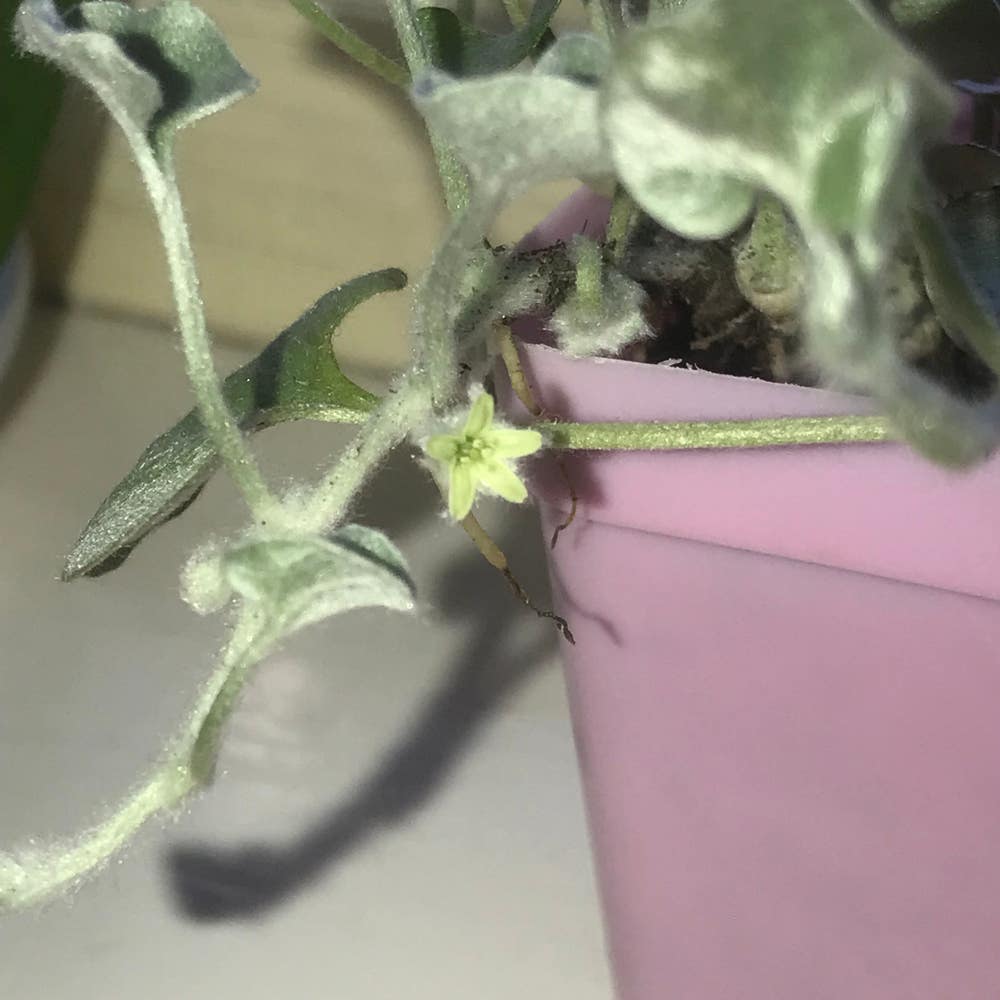
What Temperature Does My Silver Falls Dichondra Need?
Dichondra argentea 'Silver Falls'
By the Greg Editorial Team
Feb 07, 2024•3 min read
This article was created with the help of AI so we can cover more plants for you. May contain errors. See one? Report it here.
Ensure your Silver Falls Dichondra flourishes by mastering its ideal temperature range. 🌡️🪴
- 🌡️ Moderate temps best: Above 85°F risks heat stress, below 60°F stunts growth.
- Consistent temperature prevents wilting, discoloration, and stunted growth.
- 🌞🌱 Protect from extremes: Use shade cloth for heat, frost cloth for cold.
Keeping It Just Right: The Ideal Temperature Sweet Spot
🌡️ What's Too Hot to Handle?
Silver Falls Dichondra thrives in moderate conditions, but heat stress is a real concern. Temperatures above 85°F (29°C) can lead to dehydration and wilting—think of it as the plant's version of sunburn. It's crucial to monitor the mercury, especially during those peak summer days.
❄️ What's Too Cold to Hold?
Conversely, this plant despises the cold. Anything below 60°F (15°C) and your Dichondra might start to sulk, showing signs of stunted growth and dull leaves. It's a tropical soul at heart, so sweater weather is a definite no-go.
Consistency is Key
The secret sauce? Consistency. Fluctuating temperatures are to plants what a rollercoaster is to someone with motion sickness—unpleasant and avoidable. Aim to maintain a steady temperature range, avoiding the drama of sudden spikes or drops. Your plant didn't sign up for a thrill ride.
When Your Plant's Feeling the Heat: Recognizing Temperature Stress
🥵 Wilting Woes
Wilting leaves on your Silver Falls Dichondra are the first red flags of overheating. It's like your plant's saying, "I can't even," as it droops in despair.
🟡 Discoloration Dilemma
Leaf discoloration is the visual equivalent of your plant posting a distress signal. Yellow or brown leaves are its way of telling you it's either sweltering in the heat or shivering in the cold.
🌱 Growth Grinding to a Halt
When growth hits a wall, it's a clear sign your Dichondra is not vibing with the temperature. It's not being lazy; it's temperature stress. If your plant's growth seems to be stuck in a rut, it's time to reassess the thermostat.
Turning Down the Heat: Protecting Your Plant from Extreme Temperatures
🛡️ Shielding from the Scorch
Direct sunlight can be a real buzzkill for Silver Falls Dichondra. To prevent your green buddy from frying, relocate it to a spot with indirect light during those peak sunny hours. If it's an outdoor plant, a shade cloth is like sunscreen for your foliage. It's all about dodging that harsh midday sun and keeping things chill.
🧣 Cozying Up from the Cold
When the thermometer dips, it's time to wrap up your Dichondra. Think of frost cloth as a snug blanket, keeping Jack Frost at bay. If you're caught without one, improvise with bubble wrap or an old towel, but keep it dry to avoid inviting rot to the party. And keep your plant clear of drafty spots—cold drafts are the arch-nemesis of stable temperatures.
A Quick Note on Humidity
💦 Ideal Humidity Range
Moderate to high humidity is recommended for your Silver Falls Dichondra. It's not the star of the show like temperature, but it's a crucial supporting actor. Too dry, and you risk crispy leaves; too damp, and you're looking at potential fungal issues.
🌡️ Humidity Control Strategies
Keep a hygrometer handy to monitor your indoor humidity levels. If you're dealing with arid air, consider using a humidifier or a pebble tray to up the ante on moisture. On the flip side, if your home feels like a rainforest, it might be time to dehumidify.
🌡️ The Temperature-Humidity Tango
Remember, humidity and temperature are dance partners in the care of your Dichondra. They move together, so as you adjust one, be mindful of the other. Aim for a humidity level that complements your temperature settings, avoiding extremes on either end.
⚠️ Safety First
This content is for general information and may contain errors, omissions, or outdated details. It is not medical, veterinary advice, or an endorsement of therapeutic claims.
Always consult a qualified healthcare professional before using any plant as food, medicine, or supplement.
Never eat any plant (or feed one to pets) without confirming its identity with at least two trusted sources.
If you suspect poisoning, call Poison Control (800) 222-1222, the Pet Poison Helpline (800) 213-6680, or your local emergency service immediately.
Spotted an error? Please report it here.
Keep your Silver Falls Dichondra thriving 🌿 with Greg's custom reminders to adjust temperature and humidity for optimal growth.