Attracting Pollinators to Your Silver Falls Dichondra 🐝
Dichondra argentea 'Silver Falls'
By the Greg Editorial Team
Oct 12, 2024•6 min read
This article was created with the help of AI so we can cover more plants for you. May contain errors. See one? Report it here.
Unlock the secret to thriving Silver Falls Dichondra by mastering its unique pollination process! 🌱
- 🌼 Silver Falls Dichondra's flowers attract bees, butterflies, and hummingbirds, enhancing pollination.
- 🌱 Creating a pollinator-friendly garden boosts plant health and biodiversity.
- 💧 Providing water sources supports pollinator activity and overall garden vitality.
Flower Structure
Description of Characteristics 🌼
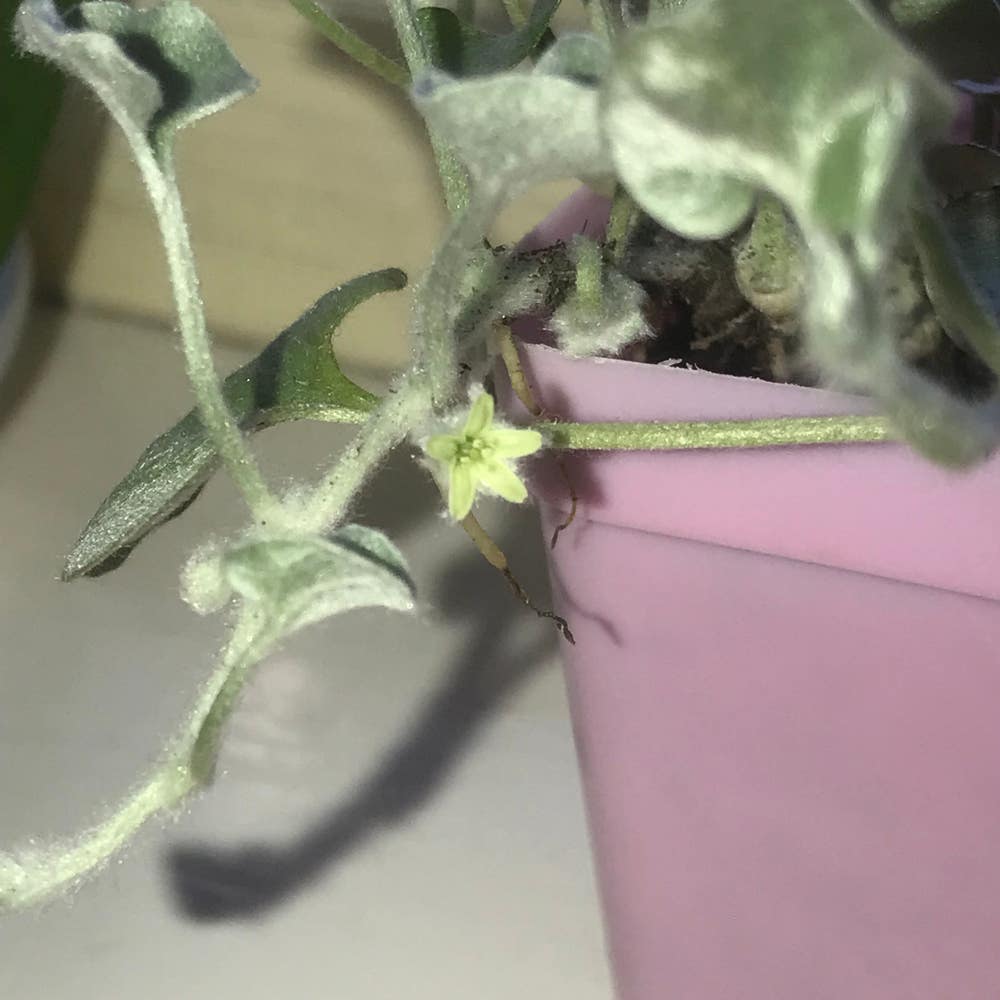
The Silver Falls Dichondra features small, cup-shaped flowers that often go unnoticed among its lush foliage. Their subtle colors, typically white or pale green, allow them to blend seamlessly into their surroundings.
These flowers grow in clusters, enhancing their appeal to pollinators. This arrangement not only makes them more visible but also increases the likelihood of attracting various pollinators.
Role in Pollination 🐝
The structure of these flowers facilitates self-pollination, allowing them to reproduce even in less-than-ideal conditions. However, the design also encourages cross-pollination, which is vital for genetic diversity.
The accessibility of the flower parts means that pollinators can easily transfer pollen between plants. This interaction boosts the chances of successful fertilization, leading to healthier plants and more robust seed production.
In the next section, we will explore the pollination process in detail, including the roles of various pollinators and the mechanisms involved.
Pollination Process
Self-Pollination or Cross-Pollination 🌼
Silver Falls Dichondra has a fascinating approach to reproduction. While it can self-pollinate, the flower structure encourages cross-pollination, which is vital for genetic diversity.
Self-pollination occurs when the flower's male and female parts mature simultaneously. This mechanism ensures that even in the absence of pollinators, the plant can still produce seeds.
However, cross-pollination is essential for introducing genetic variation. This diversity enhances resilience and adaptability, making the plant better equipped to thrive in changing environments.
Primary Pollinators 🐝
Bees
Bees are the primary pollinators for Silver Falls Dichondra. Their natural attraction to the small, cup-shaped flowers facilitates effective pollen transfer.
These industrious insects are drawn to the plant's subtle colors and clustered arrangement, making it easy for them to gather nectar while inadvertently spreading pollen.
Butterflies 🦋
Butterflies also play a significant role in the pollination process. Their delicate movements allow them to access the flowers, contributing to pollen distribution.
As they flit from flower to flower, they help ensure that the plant's reproductive cycle continues smoothly.
Other Species 🐦
Hummingbirds and moths are additional pollinators that interact with Silver Falls Dichondra. Hummingbirds are attracted to the plant's nectar, while moths often visit during twilight hours.
Both species contribute to the plant's pollination success, showcasing the diverse range of creatures that support its growth.
In summary, understanding the pollination process of Silver Falls Dichondra reveals the intricate relationships between plants and their pollinators. This knowledge sets the stage for exploring natural pollination mechanisms and their importance for plant reproduction.
Natural Pollination
🌬️ Pollen Transfer Mechanisms
Natural pollination occurs through two primary methods: wind and pollinator activity. Wind can carry pollen from one flower to another, but it's the busy pollinators that truly enhance the process.
Bees, butterflies, and other insects visit Silver Falls Dichondra for its nectar, inadvertently transferring pollen as they move from flower to flower. This interaction not only aids in fertilization but also boosts the plant's chances of producing healthy seeds.
🌱 Importance for Reproduction
Successful pollination is crucial for seed production, which directly impacts the overall health of the plant. When pollination occurs effectively, it leads to robust seed development, ensuring the continuation of the species.
Moreover, a thriving population of Silver Falls Dichondra contributes to a balanced ecosystem, supporting various wildlife and enhancing garden aesthetics. By understanding and supporting natural pollination, you can help your plants flourish and create a vibrant environment.
As we explore ways to enhance pollination, let’s dive into hand pollination techniques that can further support your gardening efforts.
Hand Pollination Techniques ((difficulty:moderate))
Step 1: Identifying Male and Female Parts 🌸
To successfully hand pollinate your Silver Falls Dichondra, start by identifying the male and female parts of the flower. The male parts, known as stamens, produce pollen, while the female parts, called pistils, are where fertilization occurs.
Step 2: Collecting Pollen 🧹
Once you've located the male flowers, gently collect pollen using a small brush or your fingertip. Be careful not to damage the delicate stamens as you gather the pollen.
Step 3: Transferring Pollen 🎨
Next, apply the collected pollen to the pistils of the female flowers. This can be done by lightly brushing the pollen onto the sticky stigma, ensuring that it adheres properly for fertilization.
Step 4: Timing ⏰
Timing is crucial for successful hand pollination. Aim to perform this task in the early morning when flowers are fully open and pollen is most abundant, maximizing your chances of success.
Hand pollination can be a rewarding process, ensuring that your Silver Falls Dichondra thrives and produces seeds. By following these steps, you can actively contribute to the plant's reproductive success and enjoy its beauty even more.
Next, let’s explore how to support pollinators in your garden for a thriving ecosystem.
Supporting Pollinators
🌼 Creating a Friendly Environment
Creating a welcoming environment for pollinators is essential for the health of your Silver Falls Dichondra. Diverse plantings not only provide food sources but also offer shelter and nesting sites for various species.
Incorporating a mix of flowering plants can attract a wider range of pollinators. Consider adding plants with different bloom times to ensure a continuous food supply throughout the growing season.
🌿 Suggested Companion Plants
Companion planting is a fantastic way to enhance your garden's appeal to pollinators. Here are some excellent choices:
Lavender: This fragrant herb attracts bees and butterflies, making it a favorite among pollinators.
Coneflower: Known for its vibrant blooms, coneflower provides nectar for various pollinator species, including bees and butterflies.
Marigolds: Not only do marigolds deter pests, but they also attract beneficial pollinators, creating a win-win for your garden.
By integrating these companion plants, you can create a thriving ecosystem that supports pollinators and enhances the beauty of your garden. This not only benefits your Silver Falls Dichondra but also contributes to the overall health of your local environment.
As you cultivate this friendly habitat, you’ll likely notice an increase in pollinator activity, leading to more robust plant growth and a vibrant garden.
Pollination Challenges
Common Obstacles 🐝
Pollination can be significantly affected by environmental factors. Temperature fluctuations and high humidity levels can disrupt the delicate balance needed for successful pollen transfer.
Additionally, the decline in pollinator populations poses a serious challenge. Many species, including bees and butterflies, are facing threats from habitat loss and pesticides, which directly impacts the pollination of plants like Silver Falls Dichondra.
Solutions 🌼
To combat these challenges, enhancing pollinator habitats is essential. Planting native species can create a welcoming environment for pollinators, providing them with the resources they need to thrive.
Moreover, adjusting care practices can improve pollination success. Simple changes, such as reducing pesticide use and providing water sources, can make a significant difference in attracting and supporting pollinators in your garden.
By fostering a pollinator-friendly environment, you not only help your Silver Falls Dichondra flourish but also contribute to the broader ecosystem.
⚠️ Safety First
This content is for general information and may contain errors, omissions, or outdated details. It is not medical, veterinary advice, or an endorsement of therapeutic claims.
Always consult a qualified healthcare professional before using any plant as food, medicine, or supplement.
Never eat any plant (or feed one to pets) without confirming its identity with at least two trusted sources.
If you suspect poisoning, call Poison Control (800) 222-1222, the Pet Poison Helpline (800) 213-6680, or your local emergency service immediately.
Spotted an error? Please report it here.
Boost your Silver Falls Dichondra's beauty and biodiversity 🌿 by using Greg's tailored care tips to attract pollinators and create a thriving garden ecosystem!