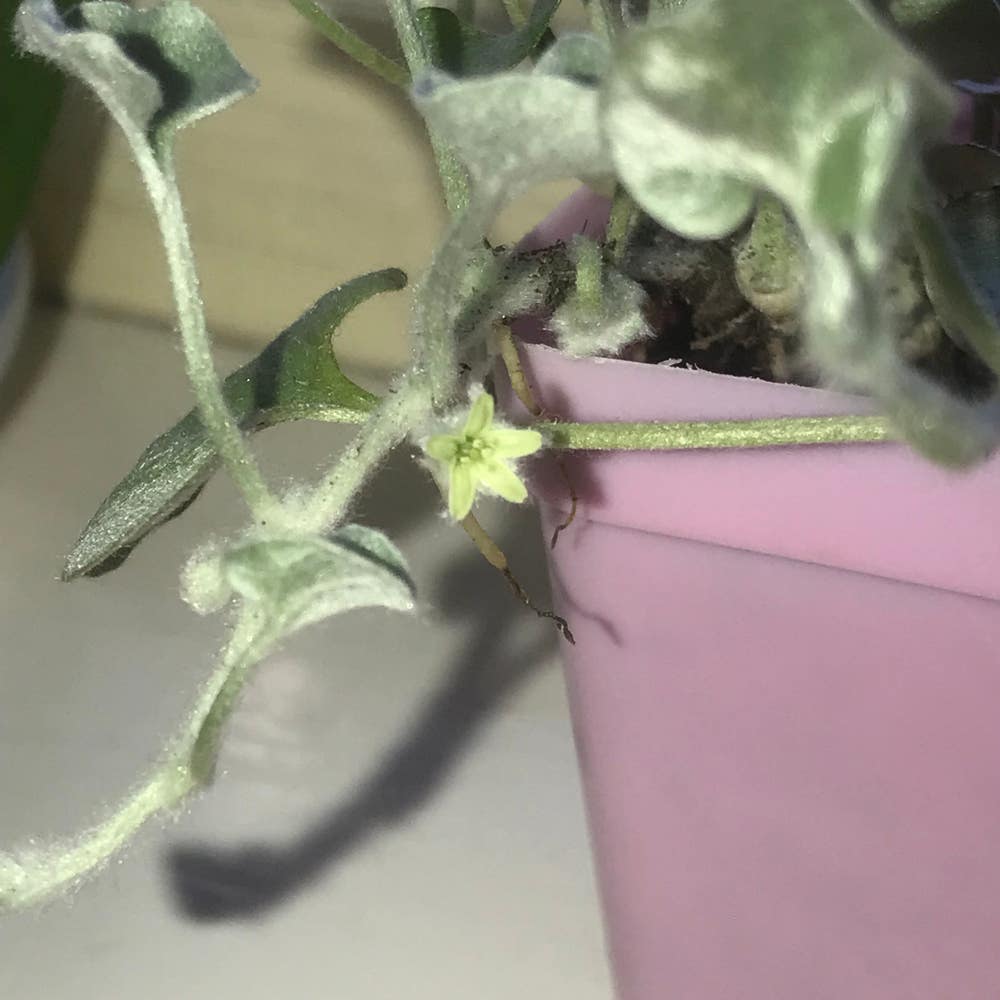
How to Propagate Your Silver Falls Dichondra
Dichondra argentea 'Silver Falls'
By the Greg Editorial Team
Feb 07, 2024•6 min read
This article was created with the help of AI so we can cover more plants for you. May contain errors. See one? Report it here.
Effortlessly multiply your Silver Falls Dichondra for a lush cascade at home! 🌿✂️
- 🌱 Choose healthy stems and sterilize scissors for successful stem cuttings.
- 🌞💦 Provide well-draining soil, indirect light, and monitor water for new plants.
- 🔄 Address propagation issues with care adjustments and good sanitation practices.
Snip & Root: Stem Cuttings Technique
🌱 Choosing Your Champions: Selecting the Best Stems for Cuttings
Healthy stems are your ticket to propagation success. Look for stems that are vibrant and sturdy, showing no signs of pests or disease. The best time to snip is when the plant is in its growth prime—spring or early summer.
✂️ Prepping Your Cuttings: From Snip to Dip
Before you make the cut, sterilize your scissors with rubbing alcohol to avoid introducing any nasties. Snip below a node at a 45-degree angle to increase surface area for roots. While not essential, a dip in rooting hormone can turbocharge root development.
🌱 Rooting for Success: Creating the Perfect Environment for Root Growth
For soil rooting, think light and airy. A well-draining mix is crucial—your cuttings aren't fans of soggy feet. If you're rooting in water, keep it fresh with changes every few days. Cover cuttings with a plastic bag to create a mini greenhouse but let them breathe to avoid mold. Keep them out of direct sunlight; they're not ready for their tan yet.
Double the Fun: Division Propagation
🌱 When and How to Divide: Timing and Technique
Spring heralds the ideal time for division, as new growth signals a plant's readiness for propagation. Begin by removing your Silver Falls Dichondra from its container, gently coaxing it apart into several sections. Each division should have a healthy share of roots and shoots.
🌿 Planting Your Divisions: Ensuring a Strong Start
After division, plant each section in its own pot with fresh, well-draining soil. Match the soil line to the original depth to avoid planting shock. Water them in to settle the soil, but remember, damp is good, soggy is not. Place them in a spot with bright, indirect light; direct sun is a no-go for these newbies.
Avoid fertilizing immediately; let the roots acclimate and seek out nutrients on their own. Patience is key – watch for new growth as a sign of successful propagation. Keep the soil consistently moist, and you'll soon see your Silver Falls Dichondra thriving.
Stay Attached: Layering Method
🌱 The Lowdown on Layering
Layering is a propagation technique where a plant is cloned while still attached to the parent. Unlike cuttings or division, it doesn't involve immediate separation. This method leverages the existing plant's resources, providing a safety net for the new clone.
🛠️ Step-by-Step: Encouraging Roots While Still Connected
- Select a healthy stem that's flexible enough to bend to the soil without breaking.
- Make a small wound on the stem by removing a strip of bark or making a slight cut. This encourages root formation.
- Apply rooting hormone to the wounded area to boost root development.
- Bury the wounded part of the stem in soil, ensuring it's firmly in place, often with the help of a stone or peg.
- Cover the area with soil and keep it moist. A layer of mulch can help retain moisture.
- Wait for roots to develop. This can take several weeks to months, depending on the plant and conditions.
- Once a robust root system is established, separate the new plant from the mother by cutting the stem.
- Transplant the new plant to its desired location, taking care not to disturb the new roots.
Pro tip: Keep the soil moist but not soggy to prevent rot. A spray bottle can be handy for gentle watering. If you're struggling with the logistics of layering in situ, consider potting the layered section in a container placed close to the mother plant. This can make it easier to manage and less awkward to move if necessary.
Remember, patience is key with layering. It's a slow dance, not a quickstep. But the payoff is a new plant with a solid foundation, ready to thrive with a little less of the usual propagation drama.
After the Cut: Post-Propagation Care
💪 The First Few Weeks
Vigilance is your watchword in the early days post-propagation. Your Silver Falls Dichondra is like a toddler taking its first steps—eager but unsteady. Monitor your new plants for signs of distress, such as yellowing leaves or a halt in growth. These could be SOS signals for help with light, water, or nutrient balance.
🚰 Water Wisdom
The soil's top inch is your crystal ball—dry to the touch means it's time for a drink. But don't drown your young plants in enthusiasm; overwatering is the fast track to root rot. Aim for a moist environment, akin to a sponge that's been wrung out, not one that's just plunged into the ocean.
🌞 Light: The Lifeline
Bright, indirect sunlight is your new best friend for these cuttings. Direct sun is the nemesis, likely to scorch their delicate leaves. Too little light, and you'll have a stretching, leggy plant on your hands, reaching for the sun like a kid for a cookie jar.
🌱 Transitioning to Soil
Patience is the name of the game when moving to soil. Wait until roots are a solid 1-2 inches before potting. Then, introduce them to their new home with a gentle watering—think of it as a housewarming gift. Remember, no fertilizer feasts just yet; let them settle in first.
👀 Monitoring Growth
Keep a close eye on your plant babies. New growth is a high-five for your efforts. If you spot any signs of a plant protest, like browning or drooping, reassess your care routine. It's all about the subtle tweaks to water and light to get them back on track.
Oops, Did I Do That? Solving Propagation Problems
🌱 Common Hiccups: Identifying Issues Unique to Propagation
Propagation isn't always a stroll through the garden. Root rot can turn your propagation dreams into nightmares. If you spot brown, mushy roots, it's time to reassess your watering habits. Overwatering is a frequent misstep, so let's not drown our green friends in love.
Wilting cuttings? Temperature can be the silent saboteur. Too chilly, and your plant's vitality droops like a deflated balloon. Find a warmer spot or consider a heat mat to keep those roots cozy.
🛠 Quick Fixes: Addressing Root Rot, Wilting, and Stunted Growth Head-On
When root rot rears its ugly head, it's a clear signal to ease up on the H2O. Let the soil dry out more between waterings, and ensure your pot's drainage is more effective than a sieve.
If your plant is wilting, it might just be throwing shade for more warmth. Move it to a brighter spot, avoiding direct sunlight like a vampire avoids garlic. Grow lights can be a game-changer if your home is more cave than greenhouse.
Stunted growth is your plant's way of telling you something's off. It could be craving more light, or maybe it's just not that into the current temperature. Adjust these conditions and watch your plant perk up like it's just had a shot of espresso.
Pest problems? Show those tiny party crashers the door with insecticidal soap. Remember, when it comes to pests, an ounce of prevention is worth a pound of cure.
Lastly, if you're dealing with the dreaded damping-off, it's time to up your sanitation game. Sterilize those tools before you cut, and keep those leaves dry to avoid fungal party poopers.
⚠️ Safety First
This content is for general information and may contain errors, omissions, or outdated details. It is not medical, veterinary advice, or an endorsement of therapeutic claims.
Always consult a qualified healthcare professional before using any plant as food, medicine, or supplement.
Never eat any plant (or feed one to pets) without confirming its identity with at least two trusted sources.
If you suspect poisoning, call Poison Control (800) 222-1222, the Pet Poison Helpline (800) 213-6680, or your local emergency service immediately.
Spotted an error? Please report it here.
Nurture your propagated Silver Falls Dichondra to perfection 🌿 with Greg's tailored reminders for watering, transplanting, and adjusting care routines as your plant babies grow!