💧 Silver Falls Dichondra Is an Annual
Dichondra argentea 'Silver Falls'
By the Greg Editorial Team
Oct 12, 2024•5 min read
This article was created with the help of AI so we can cover more plants for you. May contain errors. See one? Report it here.
Unlock your garden's potential with Silver Falls Dichondra's stunning growth and adaptability! 🌱
- 🌱 Silver Falls Dichondra is an annual, thriving in one growing season.
- 🌼 Germination occurs in 7-14 days under optimal conditions, ensuring quick growth.
- 🌿 Ideal for ground cover and containers, it adds beauty with cascading silver foliage.
Characteristics of Silver Falls Dichondra as an Annual
Lifecycle and Growth Patterns 🌱
Silver Falls Dichondra showcases a fascinating lifecycle that unfolds in distinct stages: germination, growth, flowering, and seed production. Each phase is crucial for its development, allowing it to thrive in various environments.
From seed to maturity, this plant typically completes its lifecycle within a single growing season. Under optimal conditions, you can expect rapid growth, often transforming bare soil into a lush carpet of silver foliage in no time.
Reproductive Strategies and Seed Production 🌼
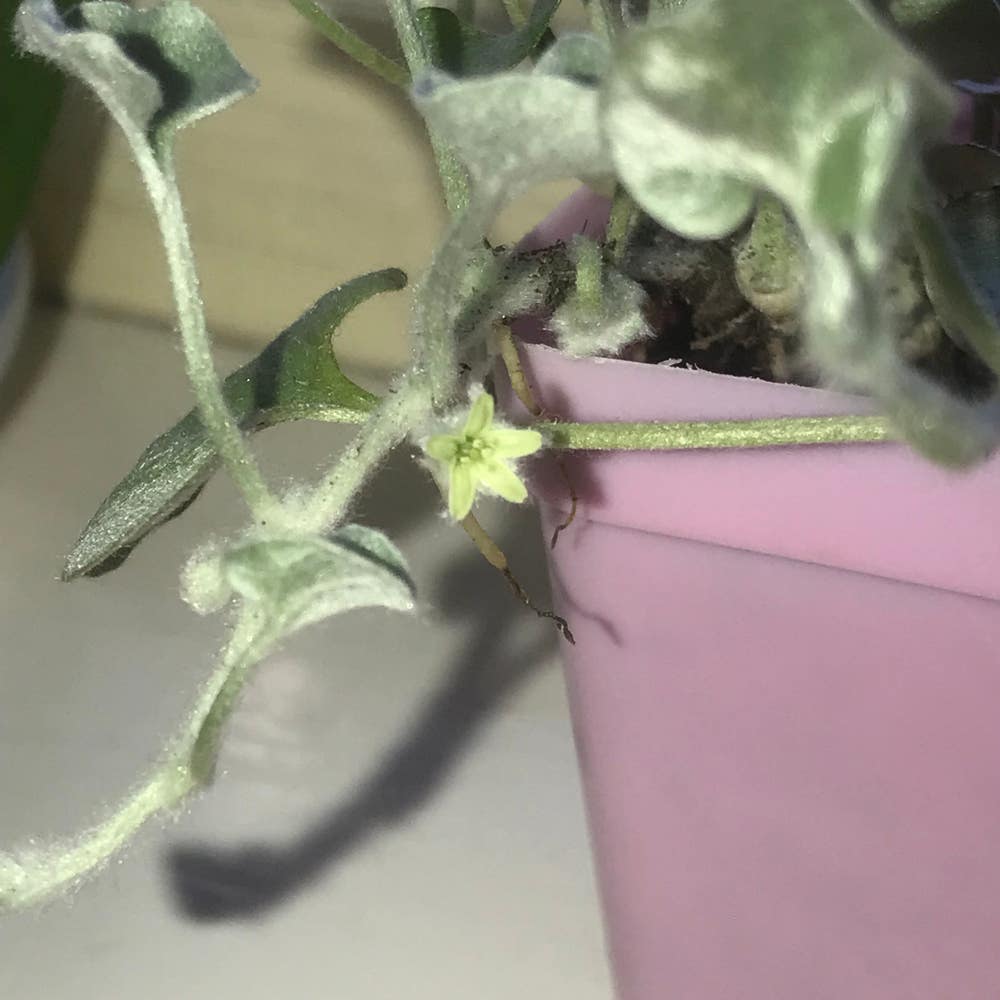
When it comes to reproduction, Silver Falls Dichondra employs effective strategies that emphasize seed production. The flowers play a vital role, attracting pollinators and facilitating the transfer of pollen.
These small, inconspicuous flowers are not just pretty; they are essential for the plant's reproductive success. By producing a significant quantity of seeds, Silver Falls Dichondra ensures its survival and spread in diverse environments.
As we delve deeper into the evolutionary advantages of an annual lifecycle, we’ll explore how these traits help the plant adapt to various conditions.
Evolutionary Advantages of an Annual Lifecycle
🌍 Adaptation to Various Environments
Silver Falls Dichondra thrives in challenging conditions, particularly in dry, rocky soils. Its ability to adapt allows it to flourish where many other plants struggle.
This adaptability is rooted in its seasonal growth strategies. By completing its lifecycle within a single growing season, it can respond quickly to environmental changes, ensuring survival even in fluctuating climates.
🌱 Benefits of an Annual Lifecycle
An annual lifecycle offers significant advantages in resource allocation. Silver Falls Dichondra can rapidly reproduce, making the most of available nutrients and water during its short lifespan.
This strategy maximizes reproductive success, allowing the plant to produce a large number of seeds in a single season. This ensures that even if conditions are less favorable in subsequent years, the species can continue to thrive.
The evolutionary benefits of this lifecycle make Silver Falls Dichondra a resilient choice for gardeners and landscapers alike. Understanding these advantages can help you appreciate its unique role in various ecosystems.
As we explore the impact of this annual lifecycle on growth, we’ll see how these traits influence flowering and seed production.
Impact of Annual Lifecycle on Growth
🌱 Growth Phases and Flowering Timeline
Silver Falls Dichondra follows a distinct growth timeline, starting from germination to flowering within a single season. Typically, germination occurs within 7 to 14 days, depending on optimal conditions.
Once germinated, the plant rapidly progresses through its growth stages. By mid-summer, you can expect to see vibrant flowers, as the plant thrives in warm temperatures and ample sunlight.
Several factors influence the timing of flowering. Temperature, light exposure, and moisture levels play crucial roles in determining when the plant will bloom.
🌾 Seed Production and Dispersal Mechanisms
Seed production in Silver Falls Dichondra is both abundant and timely. The plant can produce numerous seeds, ensuring its survival and spread in various environments.
Dispersal strategies are vital for its environmental spread. Seeds can be carried by wind, water, or even animals, allowing the plant to colonize new areas effectively.
Understanding these growth phases and reproductive strategies can help gardeners appreciate the resilience and adaptability of Silver Falls Dichondra. This knowledge sets the stage for effective gardening strategies, which we'll explore next.
Variations and Exceptions in Behavior
Instances of Atypical Behavior 🌱
While Silver Falls Dichondra is primarily an annual, certain conditions can lead it to behave like a perennial. For instance, in milder climates with consistent moisture, it may survive beyond a single growing season.
Factors such as nutrient availability and protection from harsh weather can also influence this atypical behavior. When conditions are just right, you might find this plant thriving longer than expected.
Environmental Influences on Growth 🌍
Soil quality plays a crucial role in the growth of Silver Falls Dichondra. Well-draining, nutrient-rich soil promotes robust growth, while compacted or poor-quality soil can stunt its development.
Moisture levels are equally important. This plant thrives in environments that provide adequate moisture but can struggle in overly wet conditions.
Temperature variations also impact its growth behavior. Silver Falls Dichondra adapts well to microclimates, allowing it to flourish in diverse environments within its native range.
Understanding these environmental influences can help gardeners create optimal conditions for this beautiful plant. By recognizing its adaptability, you can better appreciate its unique growth patterns.
Gardening Strategies for Silver Falls Dichondra
🌿 Utilizing in Garden Design
Silver Falls Dichondra is a versatile plant that shines in various garden settings. Whether in landscapes, containers, or hanging baskets, its cascading silver foliage adds a stunning visual contrast.
In landscapes, consider using it as a ground cover to soften hard edges or fill in gaps. For containers, pair it with vibrant flowers to create a dynamic display that draws the eye.
⏳ Tips for Succession Planting
To enjoy continuous blooms, timing is key. Start by staggering your planting schedule, ensuring that new seeds are sown as older plants begin to fade.
Companion planting can enhance your garden's aesthetics and health. Consider pairing Silver Falls Dichondra with flowering plants like petunias or marigolds for a vibrant, harmonious look.
🌱 Extending the Growing Season
Prolonging the growth of Silver Falls Dichondra can be achieved with a few simple techniques. Use row covers or cloches to protect against frost and maintain warmth during cooler nights.
For those in colder climates, consider indoor growing or utilizing a greenhouse. This way, you can enjoy the beauty of Silver Falls Dichondra year-round, regardless of the weather outside.
Transitioning from these gardening strategies, let's explore the unique variations and exceptions in the behavior of Silver Falls Dichondra.
⚠️ Safety First
This content is for general information and may contain errors, omissions, or outdated details. It is not medical, veterinary advice, or an endorsement of therapeutic claims.
Always consult a qualified healthcare professional before using any plant as food, medicine, or supplement.
Never eat any plant (or feed one to pets) without confirming its identity with at least two trusted sources.
If you suspect poisoning, call Poison Control (800) 222-1222, the Pet Poison Helpline (800) 213-6680, or your local emergency service immediately.
Spotted an error? Please report it here.
Transform your garden with the stunning Silver Falls Dichondra 🌿 and let Greg provide tailored care tips to help it thrive all season long!