🌞 How Much Sunlight Does My Mountain Marigold Need?
Tagetes lemmonii
By the Greg Editorial Team
Mar 26, 2024•3 min read
This article was created with the help of AI so we can cover more plants for you. May contain errors. See one? Report it here.
Find out how to hit the sunlight sweet spot 🌞 for thriving Mountain Marigold and enviable blooms. 🌼
- 🌞 Full sun means 6+ hours of direct sunlight for Mountain Marigold.
- Partial shade is beneficial during intense afternoon heat.
- Grow lights supplement sunlight indoors; full-spectrum is best.
Basking in the Right Amount of Outdoor Sunshine
Mountain Marigold, a sun-lover, hits its stride in the sweet spot between full sun and partial shade. But what do these terms mean for your vibrant companion?
🌞 Full Sun for Mountain Marigold
Full sun is the non-negotiable for Mountain Marigold to flourish. This means at least 6 hours of direct sunlight. It's like a daily spa for your plant, where it soaks up the rays to fuel its growth and flower production.
🌤 Partial Shade's Cooling Charm
Partial shade offers a reprieve, especially in scorching climates. Aim for a spot that gets some afternoon shade to prevent your marigold from wilting like a forgotten salad. It's about striking a balance; too much shade, and you'll have a leggy marigold begging for more light.
☀️ Sunlight and Blooms: A Match Made in the Garden
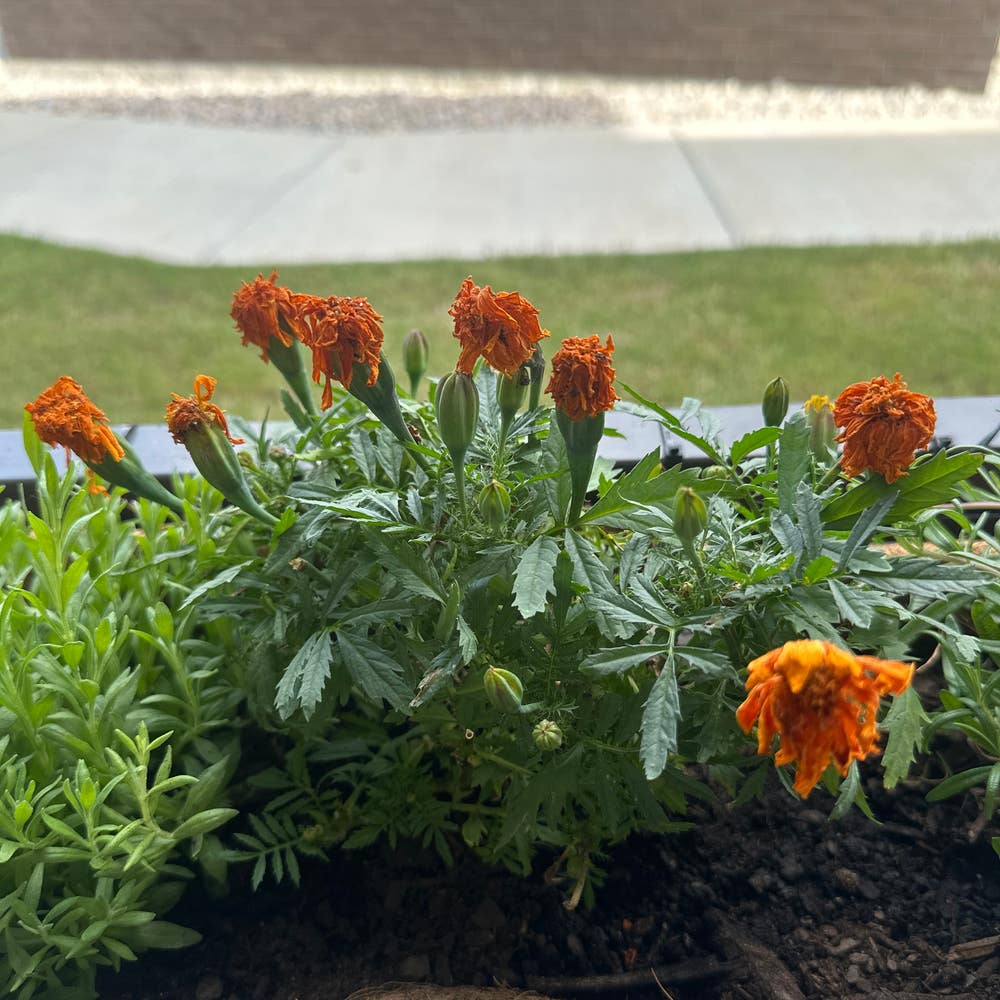
Direct sunlight is the secret sauce for those gorgeous flowers. It's like flipping a switch that tells your Mountain Marigold, "It's showtime!" The blooms are a visual high-five for getting the light just right.
🌅 Timing and Intensity: The Sunlight-Flowering Connection
The timing of sunlight exposure is crucial. Morning light is the gold standard, gentle yet bright. As the day heats up, your Mountain Marigold might appreciate some shade. Think of it as applying sunscreen to avoid a nasty burn.
Bringing the Sun Indoors: Indoor Light Mastery
🌞 Setting up your indoor sun: Window wisdom
South or west-facing windows are the VIP tickets for your Mountain Marigold's indoor light show. They offer a consistent stream of sunshine that this plant craves. But remember, not all spots are created equal. Distance from the window matters; too close and you might as well be baking cookies on your plant's leaves. Aim for a spot where the light is bright but not scorching, a few feet back should do the trick.
💡 When the sun isn't enough: The lowdown on grow lights
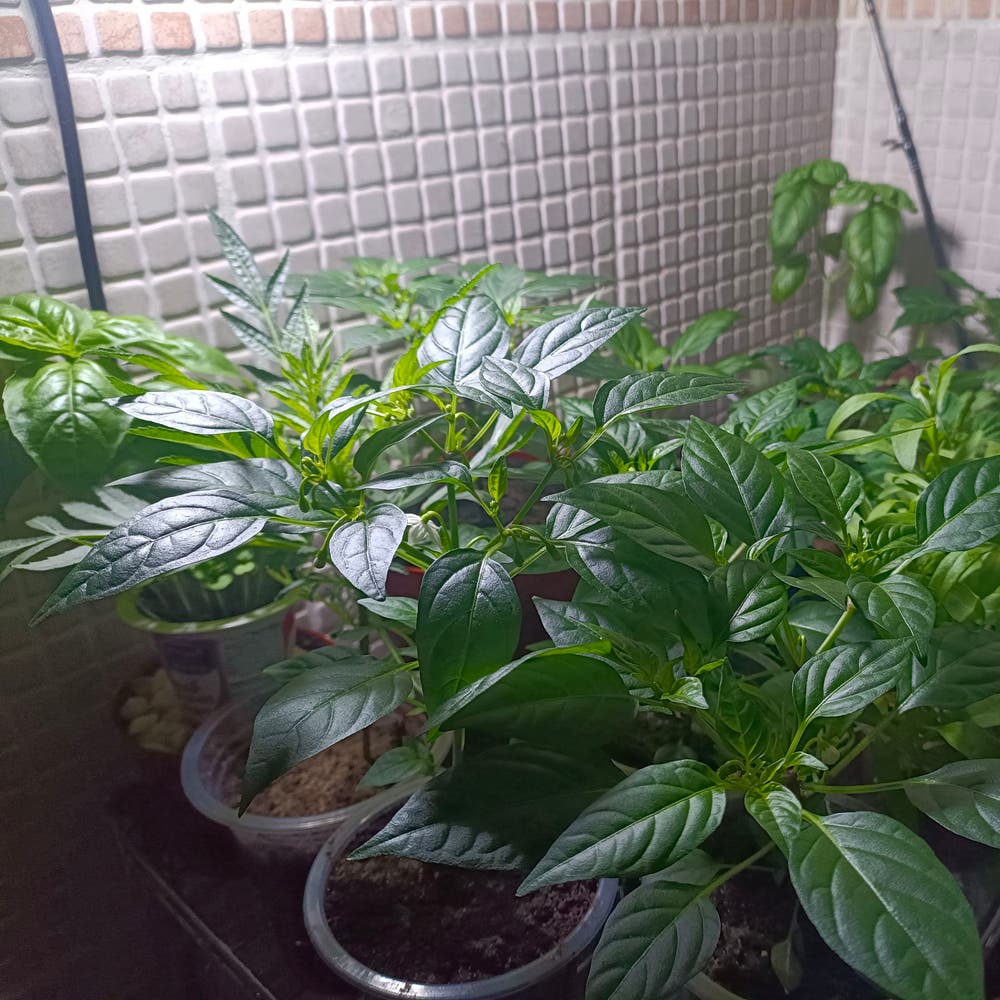
Grow lights are like a caffeine shot for your Mountain Marigold when sunlight is on the skimpy side. Full-spectrum lights are the rock stars here, belting out a tune that's pretty close to natural sunlight. When it comes to positioning and timing, think of it as choreographing a dance. You want to mimic the sun's daily journey across the sky—12 to 14 hours is usually spot on, with a timer to avoid playing sun god.
Troubleshooting Mountain Marigold's Light Issues
☀️ Too Much of a Good Thing: Signs of Overexposure
Scorched leaves and color loss are the marigold's version of a sunburn. If your Mountain Marigold's petals look like they've been toasted, it's time to intervene. These plants can handle the heat, but they're not trying to compete for a tan. Move them to a spot with a little more shade, especially during the peak sun hours.
🌥️ Not Enough Rays: Symptoms of Light Deprivation
When your Mountain Marigold starts getting leggy, it's not just trying out for the plant version of a high-fashion runway. It's a desperate attempt to get closer to the light. Sparse flowering is another red flag that your marigold is living in the shadows. If the blooms are as rare as a good hair day in humidity, it's a clear sign your plant craves more sunshine. Consider relocating it to a sunnier spot or supplementing with a grow light to mimic the solar love it's missing.
⚠️ Safety First
This content is for general information and may contain errors, omissions, or outdated details. It is not medical, veterinary advice, or an endorsement of therapeutic claims.
Always consult a qualified healthcare professional before using any plant as food, medicine, or supplement.
Never eat any plant (or feed one to pets) without confirming its identity with at least two trusted sources.
If you suspect poisoning, call Poison Control (800) 222-1222, the Pet Poison Helpline (800) 213-6680, or your local emergency service immediately.
Spotted an error? Please report it here.
Ensure your Mountain Marigold flourishes 🌄 with Greg's insights on the ideal sun and shade mix, for blooms that rival the beauty of a sunrise.