🌼 Where to Plant Your Marigold
Tagetes lemmonii
By the Greg Editorial Team
Oct 16, 2024•5 min read
This article was created with the help of AI so we can cover more plants for you. May contain errors. See one? Report it here.
Transform your garden with vibrant marigolds 🌼 by mastering sunlight, soil, and strategic planting tips! 🌱
- 🌞 Perennial marigolds thrive in 6-8 hours of sunlight for vibrant blooms.
- 🌱 Well-draining, moderately fertile soil is essential for healthy marigold growth.
- 🌿 Proper spacing and companion planting enhance marigold health and deter pests.
Sunlight Exposure Requirements
Full Sun Requirements 🌞
Perennial marigolds thrive in full sun, needing a minimum of 6-8 hours of direct sunlight daily. This exposure not only promotes enhanced flowering but also results in vibrant colors that can brighten any garden.
Partial Shade Tolerance 🌤️
While full sun is ideal, marigolds can tolerate partial shade under certain conditions. However, be aware that flowering and overall growth may be less vigorous in these shaded areas.
Assessing Sunlight in Your Garden 🔍
To ensure your marigolds get the right amount of sunlight, consider using tools like sun calculators. Additionally, take time to observe sun patterns throughout the day to identify the sunniest spots in your garden.
Understanding these sunlight exposure requirements will set the stage for successful marigold growth. Next, let’s explore the soil type preferences that will further enhance their flourishing.
Soil Type Preferences
Ideal Soil Conditions 🌱
For your perennial marigold to thrive, aim for well-draining soil with moderate fertility. The ideal pH range is between 6.0 and 7.0, which supports optimal growth and vibrant blooms.
Soil Types to Consider 🌍
When selecting soil, consider the differences between sandy loam and clay soil. Sandy loam offers excellent drainage and aeration, while clay retains moisture but can lead to poor drainage if not managed properly.
- Sandy Loam: Great for drainage and root development.
- Clay Soil: Retains moisture but may require amendments for better drainage.
Organic matter is crucial for soil health, enhancing fertility and structure. Adding compost can significantly improve the soil's ability to support your marigolds.
Testing Soil Quality 🔬
Assessing your soil's quality is vital for successful gardening. Simple methods include checking drainage by observing how quickly water soaks in and testing for fertility by examining plant growth in the area.
For a more thorough analysis, consider using soil tests. These can reveal nutrient levels and pH, guiding you on necessary amendments like compost or fertilizers.
By ensuring your soil meets these conditions, you'll set the stage for flourishing perennial marigolds. Next, let’s explore how to position your marigolds effectively in your garden for optimal growth and health.
Proximity to Other Plants or Structures
🌱 Importance of Spacing
Proper spacing is crucial for the healthy growth of your Perennial Marigold. Aim for at least 12 to 18 inches between plants to ensure adequate air circulation and prevent overcrowding, which can lead to disease.
🌼 Companion Planting Considerations
Companion planting can enhance your garden's productivity. Perennial Marigolds thrive alongside tomatoes and peppers, as they can deter pests and promote healthy growth.
However, be cautious with plants that compete for nutrients or attract unwanted pests. Avoid planting them near crops like cucumbers, which may struggle in their presence.
🏡 Strategic Placement Near Structures
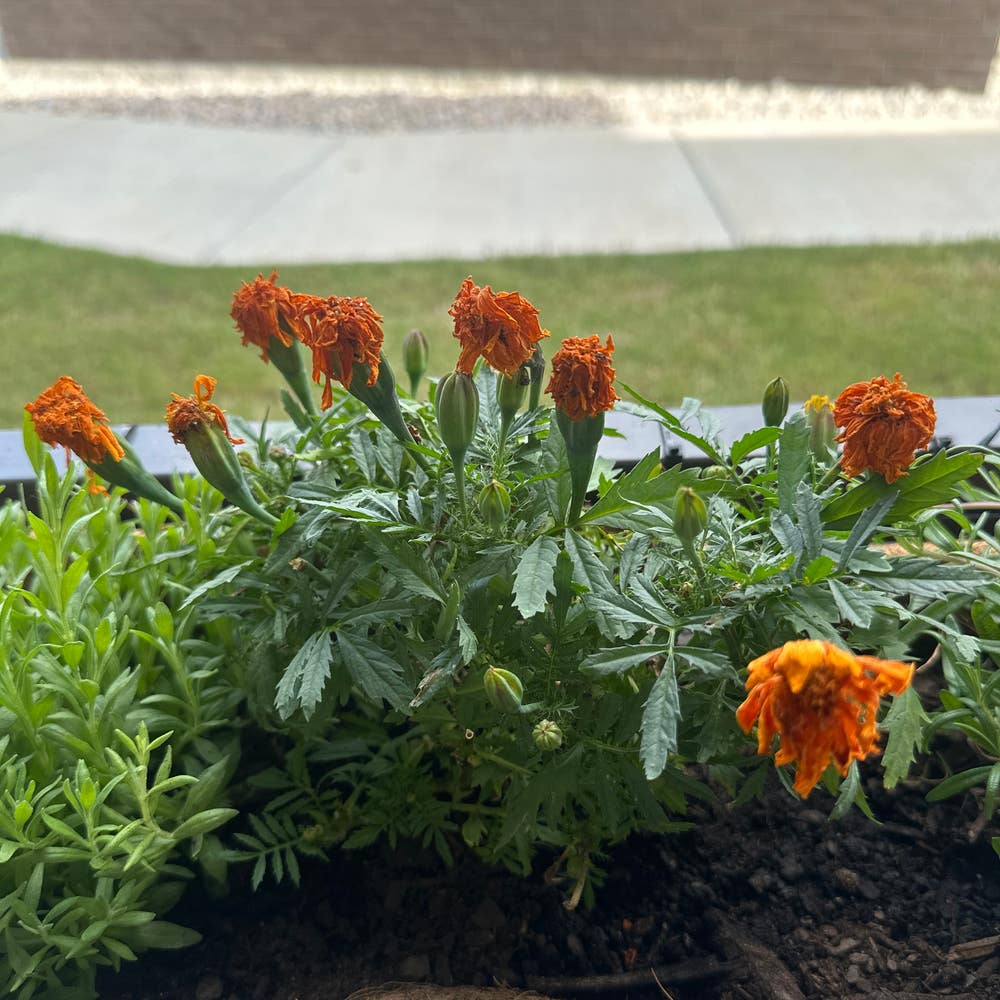
Planting your Marigolds near walls or fences can provide extra warmth and protection. These structures can act as windbreaks, helping to create a more stable microclimate.
When positioning them near pathways or garden borders, consider their height and spread. This ensures they complement your garden's aesthetics while allowing easy access for maintenance.
With these considerations in mind, you can create a thriving environment for your Perennial Marigolds, setting the stage for their vibrant blooms. Next, let’s explore how to assess the best spot for planting in your garden.
Assessing the Best Spot
🌻 Evaluating Garden Layout
To find the perfect spot for your perennial marigold, start by analyzing your garden layout. Identify the sunniest areas, as these will provide the best conditions for vibrant blooms.
Consider the future growth of surrounding plants. Planning ahead ensures that your marigolds won’t be overshadowed or crowded out as other plants mature.
🌡️ Identifying Microclimates
Understanding microclimates is essential for successful gardening. These are small areas within your garden that may have different temperature and moisture levels compared to the surrounding environment.
Assess your garden for microclimates by observing temperature variations throughout the day. This knowledge can help you choose the best spots for your marigolds, maximizing their growth potential.
🌬️ Considering Wind Protection
Wind protection plays a crucial role in the health of your plants. Strong winds can damage foliage and stress your marigolds, hindering their growth.
Utilize natural windbreaks, such as existing trees or shrubs, to shield your marigolds from harsh winds. This strategic placement can create a more stable environment for your plants to thrive.
By carefully evaluating your garden layout, identifying microclimates, and considering wind protection, you can create an ideal environment for your perennial marigolds. Next, let’s explore soil and drainage considerations to further enhance their growth.
Soil and Drainage Considerations
🌱 Importance of Well-Draining Soil
Well-draining soil is crucial for the health of your perennial marigold. Poor drainage can lead to root rot and other diseases, which can quickly ruin your plants.
Characteristics of well-draining soil include a loose texture and a balanced composition. This allows excess water to flow away while retaining enough moisture for healthy growth.
🧪 Soil Amendments for Optimal Growth
To enhance soil quality, consider adding organic matter like compost. This not only improves drainage but also boosts fertility, providing essential nutrients for your marigold.
Incorporating amendments is straightforward. Simply mix them into the top few inches of soil before planting to ensure your marigold has the best start possible.
By focusing on soil and drainage, you set the stage for vibrant blooms and robust growth. Next, let’s explore how to assess the best spot for your marigold in your garden.
⚠️ Safety First
This content is for general information and may contain errors, omissions, or outdated details. It is not medical, veterinary advice, or an endorsement of therapeutic claims.
Always consult a qualified healthcare professional before using any plant as food, medicine, or supplement.
Never eat any plant (or feed one to pets) without confirming its identity with at least two trusted sources.
If you suspect poisoning, call Poison Control (800) 222-1222, the Pet Poison Helpline (800) 213-6680, or your local emergency service immediately.
Spotted an error? Please report it here.
Maximize your marigold blooms by planting them in the sunniest spots 🌼 with Greg's tailored tips and sun calculators to ensure they flourish all season long!