Ultimate Guide to What's Eating Your Perennial Marigold 🐞
Tagetes lemmonii
By the Greg Editorial Team
Oct 16, 2024•6 min read
This article was created with the help of AI so we can cover more plants for you. May contain errors. See one? Report it here.
Safeguard your stunning marigolds from hungry herbivores with these essential garden tips! 🌿
- 🌼 Marigolds attract both beneficial and harmful animals, impacting their health and growth.
- 🦌 Deer and rabbits can severely damage marigolds; use fencing and repellents for protection.
- 🐦 Birds and squirrels may harm marigolds; employ decoys and noise-makers to deter them.
Appearance and Appeal
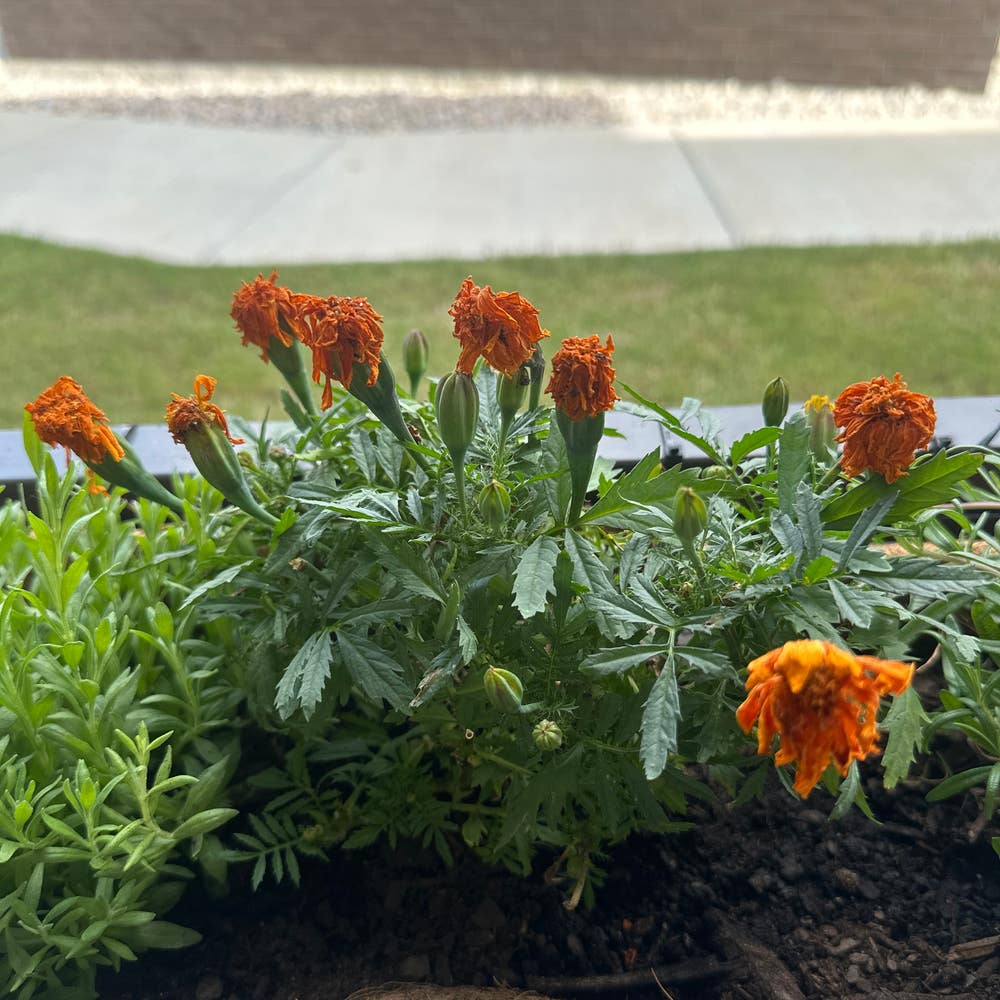
Marigolds are a feast for the eyes, boasting bright yellow and orange flowers that can light up any garden. Their green, feathery leaves add a lush backdrop, while the clumping, bushy structure creates a vibrant display.
🐾 Most Appealing Parts to Animals
The nectar-rich flowers are a magnet for pollinators and other herbivores alike. Additionally, the tender young shoots are particularly enticing, making marigolds a target for various garden visitors.
These characteristics not only enhance the garden's aesthetic but also attract a range of animals, both beneficial and harmful. Understanding what draws these creatures can help you protect your marigolds effectively.
As we delve deeper into the common herbivores that might be munching on your marigolds, you'll discover how to safeguard these beautiful plants.
Common Herbivores
🦌 Deer
Signs of presence and damage
Deer are notorious for their impact on marigolds. Look for hoof prints in muddy areas and leaves stripped from the plants, which indicate browsing.
Stunted growth and bare stems are clear signs that these animals have taken a liking to your marigolds.
Interaction
Deer can be particularly harmful, often decimating marigold populations in their path. Their appetite for these vibrant flowers can lead to significant losses in your garden.
Deterrent methods (difficulty: moderate)
To protect your marigolds, consider erecting 8-foot tall fencing. This barrier can effectively keep deer at bay.
Alternatively, use repellents, whether commercial or homemade solutions like garlic spray, to deter these herbivores.
🐇 Rabbits
Signs of presence and damage
Rabbits leave small, round droppings near plants, a telltale sign of their presence. They also tend to cleanly cut stems and leaves, making it easy to spot their handiwork.
Interaction
These furry creatures can cause significant damage to your marigolds. Their nibbling can quickly turn a flourishing plant into a sad sight.
Deterrent methods (difficulty: easy)
Netting is an effective and simple solution; covering your plants with mesh can keep rabbits away.
You can also use organic repellents with scents like peppermint or cayenne pepper to make your garden less appealing to them.
🐿️ Squirrels
Signs of presence and damage
Squirrels are often seen chewing on stems and flowers. They may also dig around the base of your marigolds, disrupting their health.
Interaction
Generally harmful, squirrels can disrupt plant health significantly. Their antics can lead to weakened plants and reduced blooms.
Deterrent methods (difficulty: moderate)
Consider using scare tactics, such as noise-makers or reflective objects, to keep squirrels at bay.
Live traps can also be an option for relocation if they become a persistent problem.
🐦 Birds
Signs of presence and damage
Look for peck marks on flowers and leaves, as well as nesting nearby, to identify bird activity.
While some birds can be beneficial, their presence can also lead to damage.
Interaction
Birds have a mixed reputation; while some help pollinate, others can harm your marigolds. It's essential to monitor their activity closely.
Deterrent methods (difficulty: easy)
Using decoys, like fake predators, can effectively scare birds away.
Reflective objects, such as shiny materials, can also deter them from your garden.
🐭 Rodents
Signs of presence and damage
Rodents often leave burrows near the base of the plant and chew on roots and stems. Their presence can be quite damaging.
Interaction
Generally harmful, rodents can cause severe plant damage. Their gnawing can lead to weakened marigolds and stunted growth.
Deterrent methods (difficulty: moderate)
Traps, whether snap or live, can help manage rodent populations.
Additionally, habitat modification—reducing cover and food sources—can make your garden less inviting to these pests.
🦡 Groundhogs/Woodchucks
Signs of presence and damage
Look for large burrows and trails, which indicate groundhog activity. They often gnaw on stems and leaves, causing noticeable damage.
Interaction
Groundhogs can be particularly harmful, often decimating marigold patches. Their appetite can lead to significant losses in your garden.
Deterrent methods (difficulty: hard)
To deter groundhogs, consider burying fencing 12 inches underground. This can prevent them from burrowing into your garden.
You can also use commercial products or homemade solutions, like castor oil, to repel these creatures effectively.
Understanding these common herbivores and their impact on your marigolds is crucial for maintaining a healthy garden. Next, let’s explore the beneficial animals that can enhance your marigold's growth and health.
Beneficial Animals
🐝 Pollinators
Bees and butterflies are not just pretty to look at; they are essential for pollination. Their role in transferring pollen helps your marigolds—and your entire garden—thrive.
Pollinators contribute to the overall health of your garden ecosystem. Without them, many plants, including marigolds, would struggle to reproduce, leading to a less vibrant garden.
🐞 Natural Pest Control
Ladybugs and lacewings are nature's little warriors against pests like aphids. By keeping these harmful insects in check, they help maintain a balanced ecosystem around your marigolds.
Encouraging these beneficial insects can significantly reduce the need for chemical pesticides. This not only protects your marigolds but also promotes a healthier environment for all garden inhabitants.
Understanding the role of these beneficial animals can transform your gardening experience. By fostering a welcoming habitat for pollinators and natural pest controllers, you create a thriving ecosystem that benefits both your marigolds and your gardening efforts.
Next, let’s explore effective protection strategies to safeguard your marigolds from herbivores.
Protection Strategies
🛡️ Preventive Measures
To keep your marigolds safe, consider their placement. Position them away from common herbivore pathways to reduce the chances of unwanted visitors.
Companion planting is another effective strategy. Pairing marigolds with pest-deterring plants, like garlic, can create a natural barrier against herbivores.
⚠️ Reactive Solutions
Regular monitoring is crucial for early detection of damage. Check your marigolds frequently to spot any signs of herbivore activity.
When you notice any issues, act quickly. A swift response can prevent further damage and protect your plants.
🌦️ Seasonal Variations
Understanding seasonal behaviors is key. Herbivore activity often spikes in spring and fall, so be vigilant during these times.
Adjust your protective measures based on these seasonal changes. Being proactive can save your marigolds from potential threats.
☠️ Toxicity
Marigolds have mild toxicity, which can deter some herbivores. However, this can also attract others that are less affected by these compounds.
Certain specific compounds in marigolds can impact animal health. Knowing this can help you understand which creatures might be drawn to or repelled by your plants.
By implementing these protection strategies, you can create a thriving environment for your marigolds while minimizing the risk from herbivores. Next, let’s explore the beneficial animals that can enhance your garden ecosystem.
⚠️ Safety First
This content is for general information and may contain errors, omissions, or outdated details. It is not medical, veterinary advice, or an endorsement of therapeutic claims.
Always consult a qualified healthcare professional before using any plant as food, medicine, or supplement.
Never eat any plant (or feed one to pets) without confirming its identity with at least two trusted sources.
If you suspect poisoning, call Poison Control (800) 222-1222, the Pet Poison Helpline (800) 213-6680, or your local emergency service immediately.
Spotted an error? Please report it here.
Safeguard your marigolds from pesky pests and enjoy their vibrant blooms with Greg's tailored care tips 🌼 that help you monitor and protect your garden effortlessly!