🐝 How and When to Pollinate Perennial Marigold
Tagetes lemmonii
By the Greg Editorial Team
Oct 16, 2024•4 min read
This article was created with the help of AI so we can cover more plants for you. May contain errors. See one? Report it here.
Nurture vibrant marigolds 🌼 and support essential pollinators to create a thriving garden ecosystem! 🐝
- 🌼 Perennial marigolds attract bees, butterflies, and hummingbirds for effective pollination.
- 🌱 Self and cross-pollination enhance genetic diversity, ensuring resilient marigold plants.
- 🌍 Creating a pollinator-friendly garden boosts biodiversity and supports marigold health.
Flower Structure
🌼 Description of Flower Characteristics
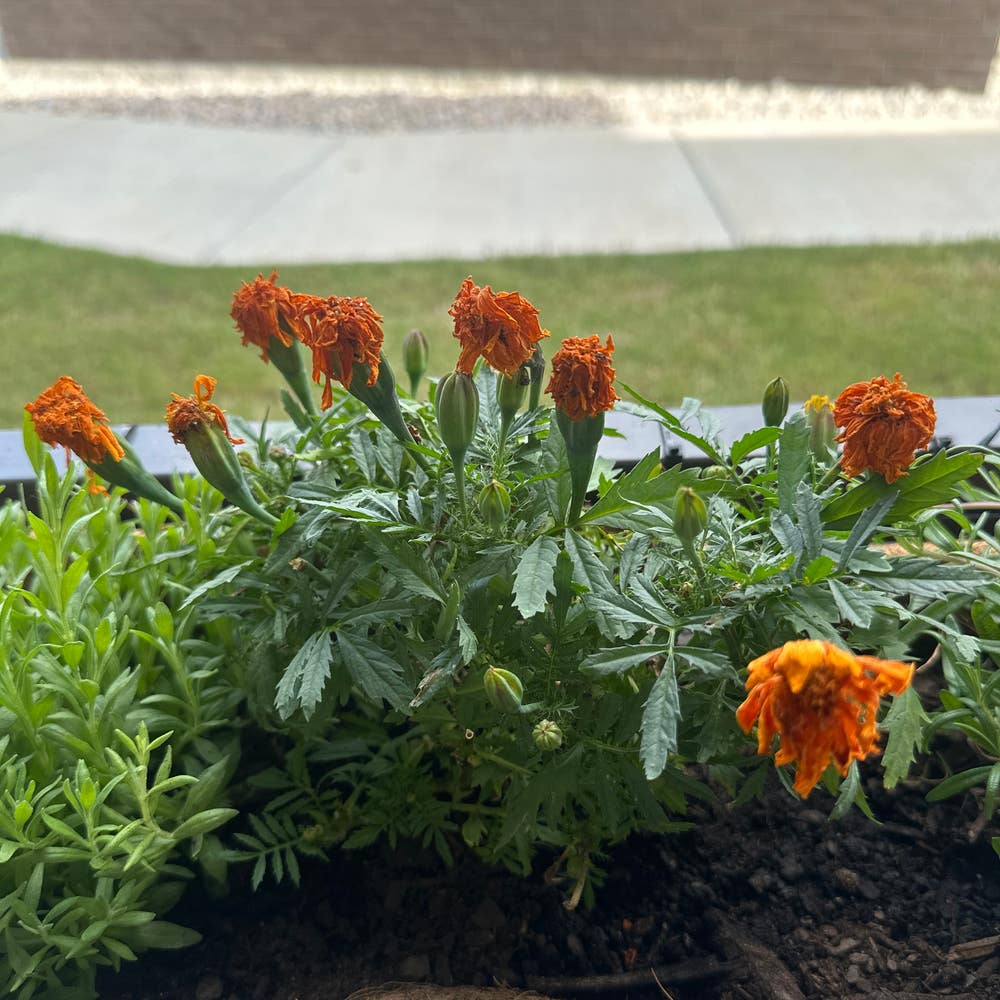
Perennial marigolds boast a daisy-like shape, featuring a central disc surrounded by vibrant ray florets. Their bright yellows, oranges, and reds not only catch the eye but also attract a variety of pollinators.
The arrangement of these flowers is striking, with multiple layers of petals encircling a central disc of tiny flowers. This design is not just for show; it plays a crucial role in their reproductive success.
🐝 Role in Pollination
The structure of marigolds facilitates self-pollination, allowing pollen to easily transfer within the same flower. However, their arrangement also encourages cross-pollination, inviting visits from pollinators and enhancing genetic diversity.
This dual capability makes marigolds resilient and adaptable, ensuring they thrive in various environments. By attracting pollinators, they not only reproduce effectively but also contribute to the ecosystem's health.
With this understanding of flower structure, we can now explore the fascinating pollination process that follows.
Pollination Process
Self-Pollination Mechanism 🌼
The self-pollination mechanism of perennial marigolds is quite fascinating. Pollen from the anthers falls directly onto the stigma of the same flower, making it an efficient process.
While this method works well, cross-pollination is even more beneficial. It enhances genetic diversity, which is crucial for the resilience of the plant.
Primary Pollinators 🐝
Perennial marigolds attract a variety of pollinators, including bees, butterflies, moths, and hummingbirds. Each of these species plays a vital role in the pollination process.
Bees are particularly effective as they collect nectar and pollen, inadvertently aiding in pollen transfer. Butterflies, on the other hand, land on the flowers and brush against the anthers and stigma, further facilitating this essential process.
Understanding these interactions can deepen your appreciation for the delicate balance of nature. By fostering a welcoming environment for these pollinators, you can contribute to the health of your garden and the ecosystem at large.
As we explore the next section, we'll delve into the natural mechanisms of pollen transfer and their importance for the plant's reproduction.
Natural Pollination
🌬️ Pollen Transfer Mechanisms
Natural pollination relies heavily on wind and insect activity. The unique structure of perennial marigold flowers encourages insects to flit between blooms, ensuring effective pollen transfer.
🌱 Importance for Reproduction
Successful pollination is crucial for seed production, which is essential for the plant's lifecycle. Moreover, cross-pollination enhances genetic diversity, making plants more resilient to environmental changes.
Understanding these processes not only highlights the beauty of nature but also underscores the importance of protecting our pollinators. As we delve deeper into the next section, we'll explore hand pollination techniques to support these vital processes.
Supporting Pollinators
🌼 Creating a Pollinator-Friendly Environment
To attract and support pollinators, plant a variety of flowering species that bloom at different times. This ensures a continuous food source throughout the growing season.
Avoid using pesticides that can harm beneficial insects. Instead, opt for organic methods to keep your garden thriving and safe for pollinators.
🌱 Companion Plants
Companion planting can enhance your garden's appeal to pollinators. Here are some excellent choices:
- Borage: This vibrant plant attracts bees and butterflies, making it a favorite in pollinator gardens.
- Lavender: Known for its fragrant blooms, lavender provides nectar for various pollinators, including bees and butterflies.
- Coneflower: With its rich pollen supply, coneflower is a magnet for many pollinators, helping to boost biodiversity.
By incorporating these companion plants, you create a thriving ecosystem that supports pollinators and enhances your garden's beauty.
As you nurture this environment, you'll not only witness the joy of pollinators at work but also contribute to a healthier ecosystem. Next, let’s explore the challenges pollinators face and how we can help them thrive.
Pollination Challenges
🌪️ Common Obstacles
Pollination can face several challenges that hinder success. Environmental factors like extreme temperatures and high humidity can disrupt the delicate balance needed for effective pollen transfer.
Seasonal variations also play a role. During cooler months or drought conditions, pollination may become less effective, impacting the overall health of your marigolds.
🛠️ Solutions
To combat these challenges, consider providing supplemental watering during dry spells. This simple step can keep your plants hydrated and more appealing to pollinators.
Creating sheltered areas can also protect pollinators from harsh weather. These safe havens encourage beneficial insects to thrive in your garden.
Finally, don’t hesitate to use hand pollination techniques during periods of low pollinator activity. This proactive approach ensures your marigolds receive the attention they need to flourish.
By addressing these challenges, you can enhance the pollination process and support the vibrant life cycle of your perennial marigolds. Next, let’s explore how to create a pollinator-friendly environment that attracts and sustains these vital creatures.
⚠️ Safety First
This content is for general information and may contain errors, omissions, or outdated details. It is not medical, veterinary advice, or an endorsement of therapeutic claims.
Always consult a qualified healthcare professional before using any plant as food, medicine, or supplement.
Never eat any plant (or feed one to pets) without confirming its identity with at least two trusted sources.
If you suspect poisoning, call Poison Control (800) 222-1222, the Pet Poison Helpline (800) 213-6680, or your local emergency service immediately.
Spotted an error? Please report it here.
Unlock the secret to thriving marigolds 🌼 by using Greg's personalized tips to attract pollinators and ensure successful seed production in your garden!