☀️ Ultimate Guide to Humidity for Perennial Marigold
Tagetes lemmonii
By the Greg Editorial Team
Oct 16, 2024•5 min read
This article was created with the help of AI so we can cover more plants for you. May contain errors. See one? Report it here.
Unlock vibrant blooms for your Perennial Marigolds 🌼 by mastering their humidity needs for optimal growth!
- 🌬️ Perennial Marigolds thrive in 40%-70% humidity for optimal growth.
- 💧 Monitor humidity levels regularly to prevent wilting or mold issues.
- 🌿 Use tools like hygrometers to effectively manage local humidity conditions.
Humidity Needs of Perennial Marigold
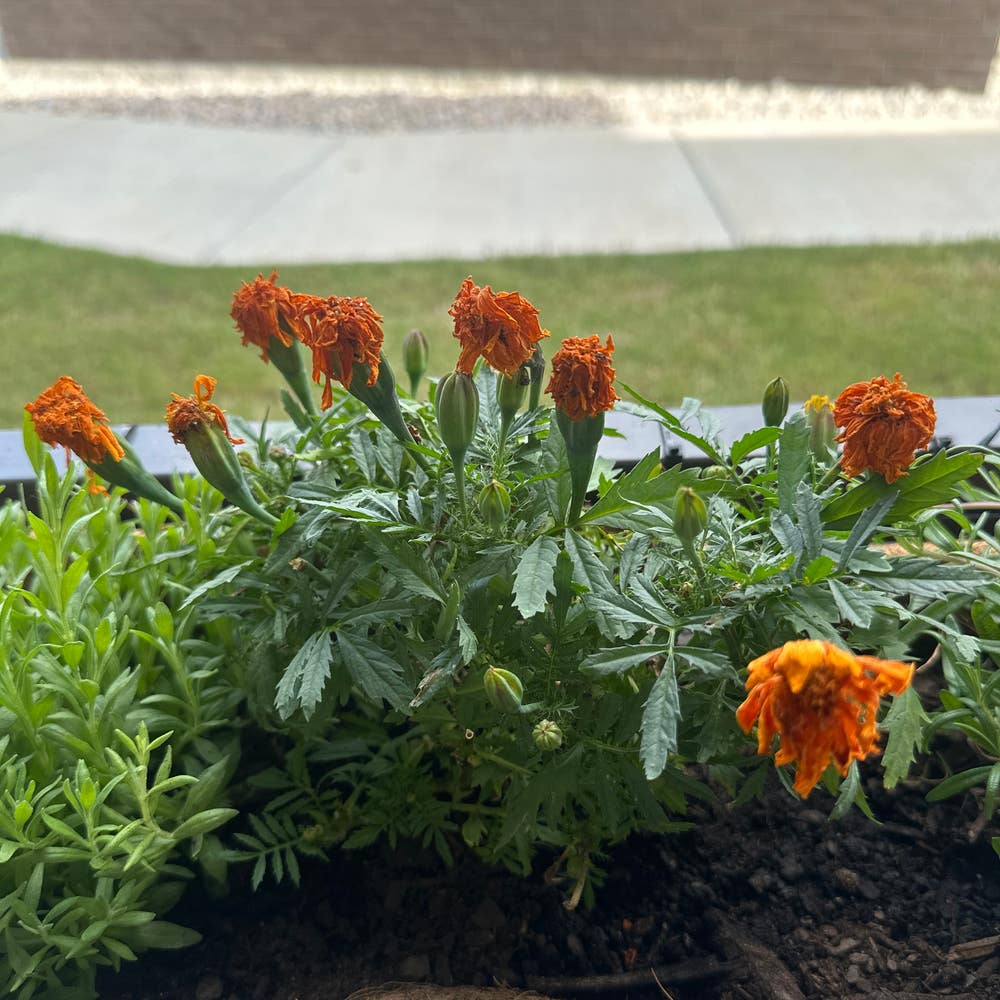
Perennial Marigolds thrive in moderate to high humidity levels, which are essential for their optimal growth. When humidity levels are just right, these vibrant flowers can flourish, showcasing their stunning colors.
🌧️ The Importance of Humidity and Soil Moisture
The relationship between humidity and soil moisture is crucial for the health of Perennial Marigolds. High humidity helps maintain soil moisture, preventing the plants from drying out too quickly.
🌱 Optimal Conditions for Growth
For best results, aim for humidity levels between 40% and 70%. This range not only supports healthy growth but also enhances the overall vitality of your marigolds.
📏 Monitoring Humidity Levels
Regularly checking humidity levels can make a significant difference in your marigold care routine. By understanding how humidity impacts soil moisture, you can ensure your plants receive the right conditions for thriving.
With a solid grasp of humidity needs, you can now explore local humidity considerations to further optimize your marigold's environment.
Local Humidity Considerations
Assessing Local Humidity Conditions 🌧️
Understanding your local humidity is crucial for the health of your Perennial Marigold. You can measure humidity using tools like hygrometers, which come in digital or analog forms.
Weather apps are also handy for quick local humidity readings. Regularly monitoring these trends throughout the seasons helps you anticipate the needs of your plants.
Impact of Local Climate on Humidity 🌍
Different climates significantly affect humidity levels. For instance, coastal areas typically enjoy higher humidity, which is beneficial for your Perennial Marigold.
In contrast, arid regions may require you to implement additional humidity management strategies. Seasonal variations also play a role; knowing how humidity fluctuates with the seasons can help you adjust your care routine effectively.
By staying aware of these local conditions, you can create an optimal environment for your marigolds to thrive. This knowledge sets the stage for effective humidity management strategies, which we’ll explore next.
Strategies for Managing Humidity
🌧️ Boosting Humidity for Perennial Marigold
Using Humidifiers
Humidifiers can be a game-changer for your Perennial Marigold. You have two main types: cool mist and warm mist, each serving to increase moisture in the air.
Place the humidifier near your plants, but avoid direct contact to prevent over-saturation. This strategic positioning helps maintain a balanced humidity level without overwhelming your marigolds.
Grouping Plants
Clustering your plants together can significantly boost humidity. When plants are grouped, they create a microenvironment that retains moisture more effectively.
This natural synergy not only benefits your marigolds but also enhances the overall health of your indoor garden.
Pebble Trays
Creating a pebble tray is a simple yet effective way to increase humidity.
- Fill a shallow tray with pebbles.
- Add water until it just touches the pebbles.
- Place the pot on top.
This method elevates the pot slightly above the water, allowing moisture to evaporate and surround your plant, promoting a healthier environment.
🌬️ Reducing Humidity for Perennial Marigold
Air Circulation Techniques
Good airflow is essential for preventing stagnant air around your marigolds. Stagnation can lead to various issues, including mold and root rot.
Using fans can significantly improve air circulation, ensuring that your plants breathe easy and stay healthy.
Choosing the Right Soil
Selecting the right soil is crucial for managing humidity levels. Opt for well-draining potting mixes that include perlite or sand.
These soil types promote drainage, preventing excess moisture from accumulating around the roots, which can lead to stress.
Watering Practices
Watering practices play a vital role in humidity management. Allow the top inch of soil to dry out before watering again, ensuring your plants don’t become waterlogged.
Timing is also key; watering in the morning allows plants to absorb moisture throughout the day, reducing the risk of high humidity stress.
By implementing these strategies, you can create an optimal environment for your Perennial Marigold, ensuring they thrive beautifully. Next, let’s explore how to measure humidity effectively to keep your plants in top shape.
Measuring Humidity
📏 Tools for Measuring Humidity
To effectively manage the humidity for your Perennial Marigold, having the right tools is essential. Hygrometers are a must-have for precise humidity readings, allowing you to monitor conditions closely.
Additionally, soil moisture meters can help assess the moisture levels in the soil, ensuring your plants are neither too dry nor overly saturated. These tools are straightforward to use and can make a significant difference in your gardening success.
📊 Interpreting Humidity Readings
Understanding humidity levels is crucial for the health of your Perennial Marigold. If humidity drops below 40%, your plants may experience stress and wilting, signaling that they need more moisture.
The ideal humidity range is between 40%-70%, promoting vibrant growth and blooming. However, if humidity exceeds 70%, you risk fungal diseases, which can harm your plants. Keeping an eye on these readings will help you maintain a thriving garden.
By regularly measuring and interpreting humidity levels, you can create the perfect environment for your Perennial Marigold, ensuring they flourish beautifully. Next, let’s explore common humidity-related issues and how to tackle them effectively.
Common Humidity-Related Issues
🌵 Signs of Low Humidity Stress
Low humidity can be a silent killer for your Perennial Marigold. Watch for wilting leaves and flowers, which signal that your plants are struggling to retain moisture.
Another telltale sign is brown leaf tips and edges. This often indicates that the air is too dry, making it hard for your marigolds to thrive.
🌧️ Signs of High Humidity Stress
On the flip side, high humidity can also wreak havoc. Keep an eye out for mold or mildew on leaves, which can quickly spread and damage your plants.
Root rot is another serious concern. Symptoms include yellowing leaves and stunted growth, both of which indicate that your marigolds are drowning in excess moisture.
💧 Solutions for Humidity-Related Problems
To combat low humidity stress, consider implementing humidity-boosting techniques. Using humidifiers or grouping plants together can create a more favorable environment.
For high humidity stress, improving air circulation is key. Use fans to keep the air moving and adjust your watering practices to prevent waterlogged soil.
By staying vigilant and proactive, you can ensure your Perennial Marigolds remain healthy and vibrant. Next, let's explore effective strategies for managing humidity levels.
⚠️ Safety First
This content is for general information and may contain errors, omissions, or outdated details. It is not medical, veterinary advice, or an endorsement of therapeutic claims.
Always consult a qualified healthcare professional before using any plant as food, medicine, or supplement.
Never eat any plant (or feed one to pets) without confirming its identity with at least two trusted sources.
If you suspect poisoning, call Poison Control (800) 222-1222, the Pet Poison Helpline (800) 213-6680, or your local emergency service immediately.
Spotted an error? Please report it here.
Keep your Perennial Marigolds thriving 🌱 by using Greg's tailored humidity alerts and monitoring tools to maintain that ideal moisture level between 40% and 70%!