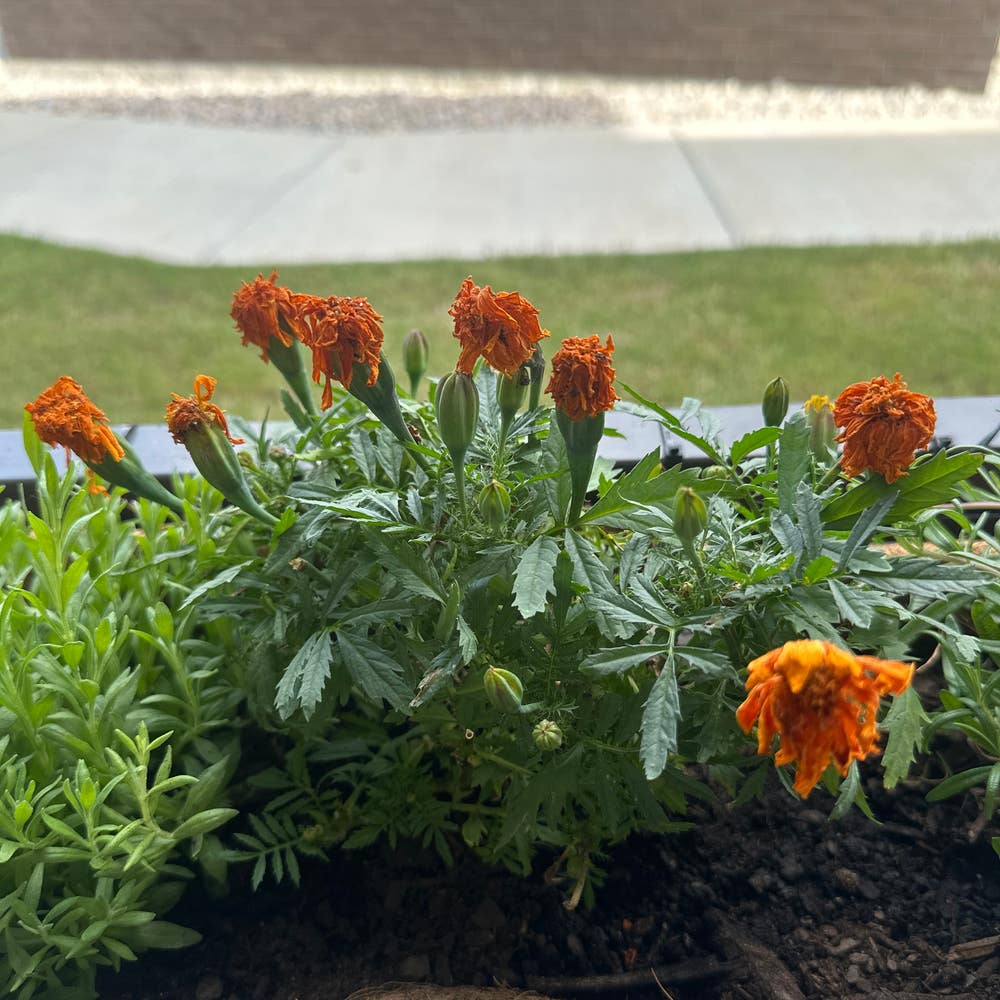
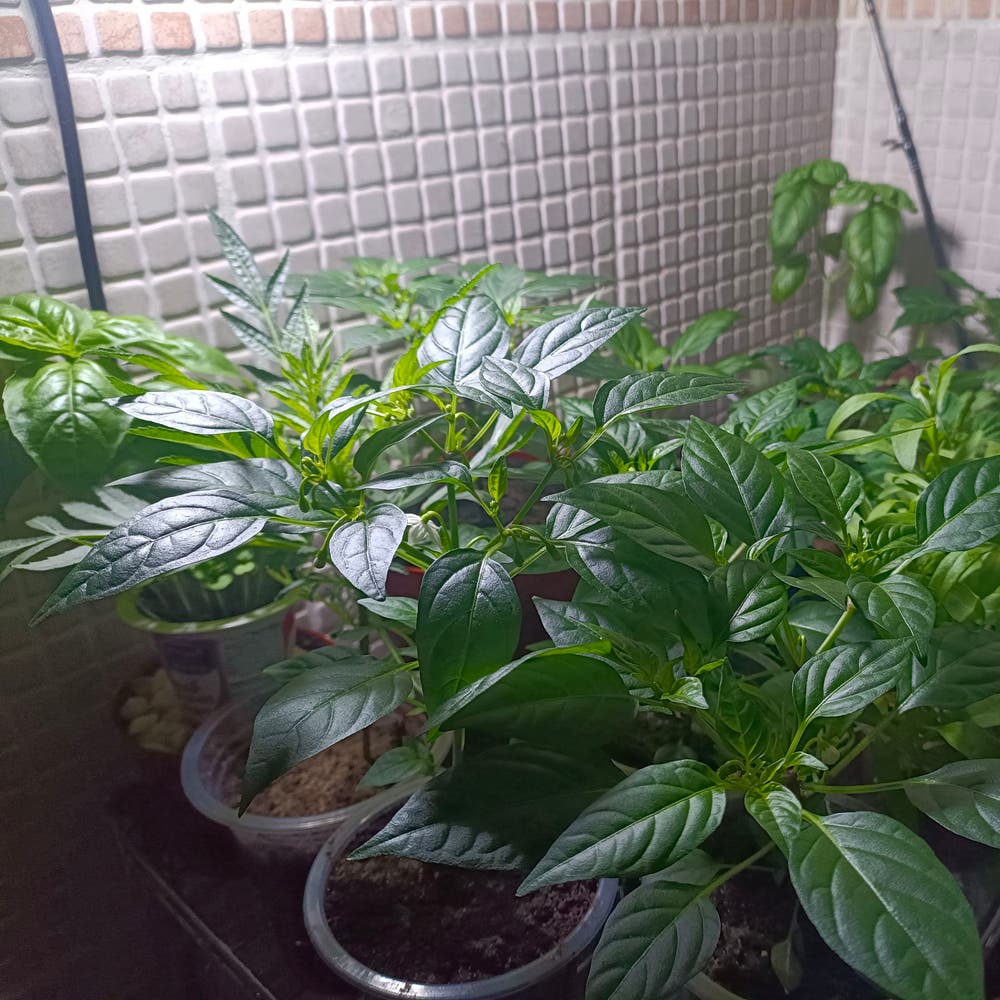
Dealing with Droopy Leaves on Your Perennial Marigold 😢
Tagetes lemmonii
By the Greg Editorial Team
Oct 16, 2024•6 min read
This article was created with the help of AI so we can cover more plants for you. May contain errors. See one? Report it here.
Transform droopy marigolds 🌼 into vibrant blooms with essential tips on watering, soil care, and pest control!
- 🌧️💧 Droopy leaves result from overwatering, underwatering, or poor soil drainage.
- 🌱 Nutrient deficiencies and pests like aphids can weaken marigolds, causing droopiness.
- 🌞 Ensure 6-8 hours of sunlight daily for healthy, vibrant marigolds.
Causes of Droopy Leaves
💧 Overwatering and Its Effects
Overwatering is a common culprit behind droopy leaves. Symptoms include yellowing leaves, soggy soil, and even root rot, which can severely impact plant health.
When roots are submerged in waterlogged soil, they struggle to access oxygen. This lack of oxygen leads to stress, making your marigold more susceptible to diseases.
🚰 Underwatering and Dehydration
On the flip side, underwatering can also cause droopy leaves. Look for crispy, brown leaf edges and wilting as telltale signs.
Prolonged dehydration stresses the plant and can lead to permanent damage. It's crucial to find a balance in watering to keep your marigold thriving.
🌱 Soil Drainage Issues
Well-drained soil is essential for root health. Poor drainage can lead to water pooling, compacted soil, and slow absorption, all of which can contribute to droopy leaves.
If your marigold's roots are sitting in water, they won't get the oxygen they need. This can create a vicious cycle of stress and drooping.
🥬 Nutrient Deficiencies
🌿 Nitrogen Deficiency
A nitrogen deficiency can manifest as pale green leaves and stunted growth. Nitrogen is vital for leaf development and overall vigor.
Without adequate nitrogen, your marigold may struggle to flourish, leading to droopy leaves.
🔋 Potassium Deficiency
Potassium deficiency presents itself through marginal leaf burn and weak stems. This nutrient is crucial for water regulation and disease resistance.
When potassium levels are low, your marigold becomes more vulnerable, resulting in drooping leaves.
🐛 Pest Infestations
🐜 Aphids
Aphids can wreak havoc on your marigold, leaving sticky residue, curled leaves, and visible insects. These pests weaken plants and can lead to droopy leaves.
Regular monitoring is key to catching these infestations early.
🕷️ Spider Mites
Spider mites are another threat, identifiable by fine webbing and stippled leaves. They cause leaf damage and stress, which can lead to drooping.
If you notice these signs, act quickly to protect your marigold from further decline.
Understanding these causes is the first step in addressing droopy leaves. Next, we'll explore how to diagnose the specific issues affecting your perennial marigold.
Diagnosing Droopy Leaves
🌊 Visual Signs of Overwatering vs. Underwatering
Identifying the cause of droopy leaves starts with visual cues. Overwatering typically presents as yellow leaves and soggy soil, while underwatering shows up as brown leaf edges and dry soil.
🐛 Identifying Pests and Their Damage
Next, check for pests. Look closely for visible insects or signs of damage on the leaves, and don’t hesitate to use a magnifying glass for tiny pests like spider mites.
🥦 Recognizing Nutrient Deficiency Symptoms
Nutrient deficiencies can also lead to droopy leaves. Pay attention to color changes in the leaves and assess the overall vigor of your marigold; compare these symptoms with known deficiency signs for accurate diagnosis.
🏞️ Assessing Soil Conditions and Drainage
Finally, evaluate your soil conditions. Perform a soil test to check moisture levels and inspect for compacted soil or drainage issues that could be affecting root health.
By diagnosing these factors, you can take the necessary steps to revive your marigold and prevent further drooping. Next, let’s explore effective solutions to address these issues.
Solutions for Droopy Leaves
🌊 Adjusting Watering Practices
- Establish a watering schedule based on soil moisture. This helps maintain consistent hydration.
- Use the finger test: Insert your finger into the soil; if it’s dry 1-2 inches down, it’s time to water. This simple method ensures you’re not over or under-watering.
- Ensure pots have drainage holes to prevent waterlogging. Proper drainage is crucial for healthy roots.
🏞️ Improving Soil Drainage
- Amend soil with perlite or sand to enhance drainage. This helps prevent soggy conditions that can lead to root rot.
- Consider using a potting mix designed for marigolds. These mixes often contain the right balance of nutrients and drainage properties.
🌱 Fertilization Tips for Nutrient Deficiencies
- Use a balanced fertilizer with adequate nitrogen and potassium. These nutrients are vital for vibrant foliage and strong growth.
- Apply according to package instructions, typically every 4-6 weeks during the growing season. Regular feeding supports overall plant health.
🐞 Pest Control Methods
Organic Options
- Introduce beneficial insects like ladybugs. They naturally control pest populations without harmful chemicals.
- Use insecticidal soap or neem oil for aphids and spider mites. These organic solutions are effective and safer for your plants.
Chemical Options
- Apply targeted pesticides as a last resort. Always follow label instructions to minimize harm to beneficial insects and the environment.
🍄 Treating Fungal Diseases
- Use fungicides specifically for root rot and powdery mildew. These treatments can help restore your marigolds to health.
- Implement cultural practices like improving air circulation and avoiding overhead watering. These strategies reduce the risk of fungal infections.
By addressing watering practices, soil conditions, nutrient needs, and pest management, you can effectively combat droopy leaves on your perennial marigold. Next, let’s explore how to prevent these issues from arising in the first place.
Preventing Droopy Leaves
🌊 Best Practices for Watering
Watering your marigolds early in the morning is a game changer. This practice reduces evaporation and ensures your plants get the moisture they need to thrive.
Consistent moisture is key, but be cautious not to waterlog the soil. A well-timed watering schedule can make all the difference.
🌱 Soil Preparation and Amendments
Preparing your soil with organic matter significantly enhances drainage and nutrient content. This is especially important for marigolds, which thrive in well-aerated soil.
Testing your soil pH is also crucial. Amending it as necessary will set the stage for optimal growth.
🐛 Regular Pest Monitoring and Control
Make it a habit to inspect your plants weekly for any signs of pests. Early detection can save your marigolds from significant damage.
Implementing integrated pest management strategies will help you minimize infestations effectively. This proactive approach keeps your plants healthy and vibrant.
🌦️ Seasonal Care Tips
Adjusting your watering and fertilization based on seasonal growth patterns is essential. Different seasons bring different needs, so stay attuned to your plants.
Mulching is another great tip. It helps retain moisture and regulates soil temperature, creating a stable environment for your marigolds.
☀️ Choosing the Right Location for Sunlight Exposure
Ensure your marigolds receive full sun exposure for at least 6-8 hours daily. This is vital for their growth and overall health.
Avoid shaded areas, as they can lead to weak and droopy plants. A sunny spot will keep your marigolds vibrant and resilient.
By following these preventive measures, you can keep your marigolds looking their best. Next, let’s dive into solutions for droopy leaves when they do occur.
⚠️ Safety First
This content is for general information and may contain errors, omissions, or outdated details. It is not medical, veterinary advice, or an endorsement of therapeutic claims.
Always consult a qualified healthcare professional before using any plant as food, medicine, or supplement.
Never eat any plant (or feed one to pets) without confirming its identity with at least two trusted sources.
If you suspect poisoning, call Poison Control (800) 222-1222, the Pet Poison Helpline (800) 213-6680, or your local emergency service immediately.
Spotted an error? Please report it here.
Revive your droopy marigolds with tailored care tips 🌼 from Greg, ensuring they get the right watering, nutrients, and pest control for a flourishing garden!