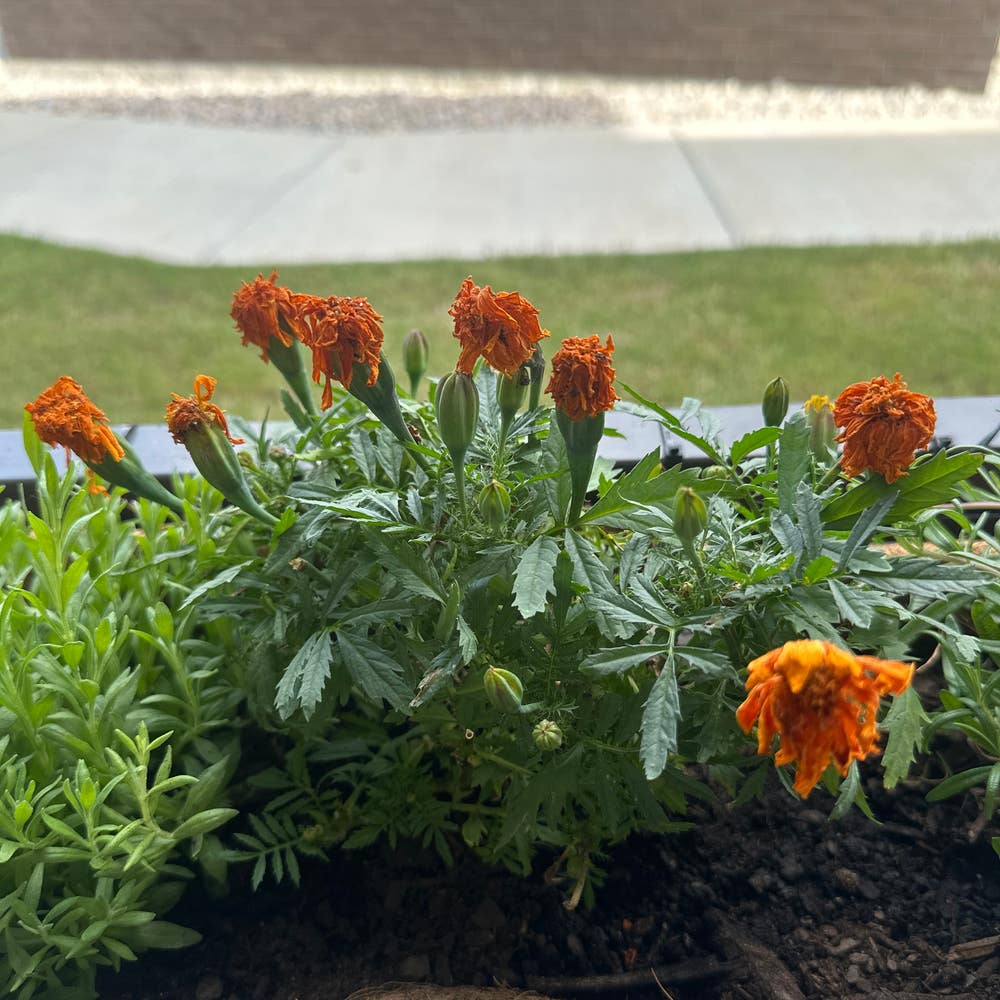
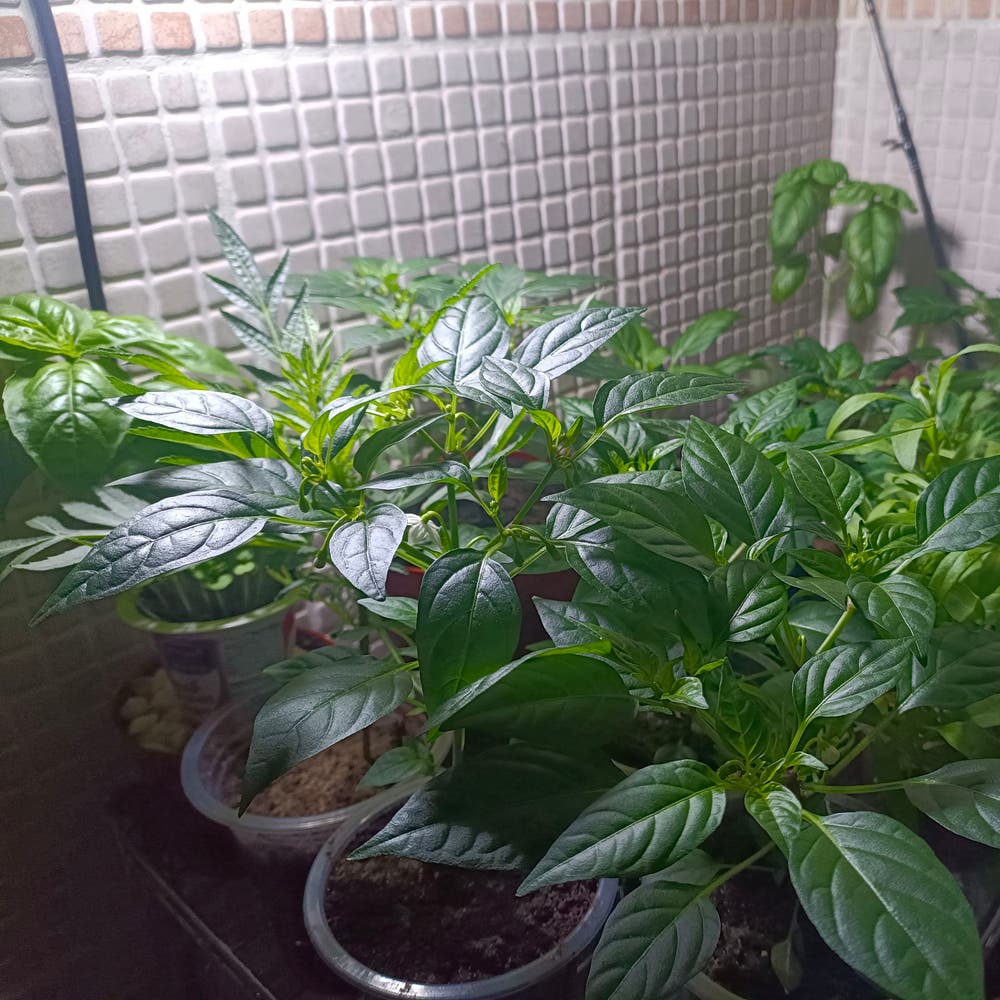
🐛 What To Do About Bugs on My Mountain Marigold?
Tagetes lemmonii
By the Greg Editorial Team
Mar 26, 2024•5 min read
This article was created with the help of AI so we can cover more plants for you. May contain errors. See one? Report it here.
Defend your Mountain Marigold 🌼 from bug battles with top pest-fighting tactics for luscious, healthy blooms.
- 🕸️ Spider mites and scale - combat with humidity, cleaning, and oils.
- 🚫 Over-watering attracts gnats and flies, manage soil moisture and use traps.
- 🌱 Integrated Pest Management (IPM) - combine cultural, biological, and chemical controls.
Meet the Marigold Munchers: Common Culprits
🕷️ Spider Mites: The Sneaky Sap-Suckers
Spotting the Signs
Webbing on leaves is a dead giveaway that spider mites have made themselves at home. These tiny terrors leave behind speckled foliage, a sign they've been feasting on your plant's sap.
Fight Back
Blast these pests with water or introduce natural predators like ladybugs. For tougher cases, miticides are your last line of defense—use them sparingly.
Keep Them Away
Humidity is spider mites' worst enemy. Increase it around your Mountain Marigold to deter future invasions. Regularly clean leaves to prevent mite settlement.
🦟 Scale: The Sticky Freeloaders
Unmasking the Enemy
Scale insects masquerade as waxy bumps on stems and leaves. They cling like they've got nowhere better to be, sapping your plant's vitality.
Show Them the Door
Physically remove these clingy critters with a cloth, or apply horticultural oil for a more thorough eviction. Insecticidal soaps can also send them packing.
Prevention Patrol
Routine inspections are crucial. Isolate new plants to prevent scale from spreading like a bad rumor.
🦟 Fungus Gnats and Fruit Flies: The Soil Swoopers
Catching the Culprits
Look for larvae in the soil or adult flies buzzing around. These pests are a sign you've been over-loving your plant with water.
Ground Control
Soil drenches and sticky traps will break the life cycle of these pests. Sometimes, you've got to play dirty to clean house.
Dry Tactics
Overwatering is an open invitation for these pests. Manage soil moisture to keep them from crashing your plant party.
🐛 Mealybugs: The Fluffy Invaders
White Warning Signs
Cotton-like clusters signal a mealybug invasion. These fluff balls love tucking into leaf crevices and sapping your plant's energy.
Eradication Essentials
Wipe them out with alcohol, horticultural oils, or soaps. It's like sending the bouncers in to clear out the riff-raff.
Quarantine to Clean
Isolate affected plants to prevent mealybugs from spreading their fluffy chaos. Regular checks are non-negotiable for a mealybug-free existence.
Other Uninvited Guests
🦟 Aphids and Whiteflies: The Sap-Sucking Swarm
🕵️ Spot the Swarm: Identifying These Pervasive Pests
Aphids and whiteflies are sap-sucking pests that can wreak havoc on your Mountain Marigold. Aphids are tiny, often green or black, and love to cluster on new growth, leaving behind a sticky residue known as honeydew. Whiteflies, resembling tiny moths, create a cloud of annoyance when disturbed. Both pests are a clear sign your plant is throwing a party it never wanted.
💥 Nip it in the Bud: Natural and Chemical Controls
To combat aphids, a blast from a water hose or a dab of rubbing alcohol can work wonders. For whiteflies, yellow sticky traps are like flypaper for these pests, while neem oil acts as a botanical bouncer, showing them the exit. Insecticidal soaps can also crash their destructive soiree, making your Mountain Marigold a no-go zone for these bugs.
🚫 Prevention Playbook: Strategies to Keep These Bugs at Bay
Prevention is about being a vigilant plant parent. Regular inspections for early signs of infestation are crucial. Isolate new plants to prevent pest parties from spreading. Cleanliness around your Mountain Marigold is non-negotiable; don't let fallen leaves become a buffet for bugs. And remember, good air circulation is the nemesis of these uninvited guests. Keep the air moving, and you'll keep the pests from settling in.
Integrated Pest Management: A Holistic Approach
🛠️ Combining Forces: Cultural, Biological, and Chemical Controls
Integrated Pest Management (IPM) is the Swiss Army knife of plant care. It's a multi-tool approach that combines cultural, biological, and chemical methods to keep pests from turning your Mountain Marigold into an all-you-can-eat buffet.
🌱 Cultural Controls
Cultural controls are all about lifestyle changes for your plant. Think of them as the daily habits that keep your green buddy in tip-top shape—like proper watering, spacing, and pruning. It's the equivalent of eating right and exercising; these good habits make your Mountain Marigold less tempting to pests.
🐞 Biological Controls
Then there's the biological brigade, the good bugs that wage war on the bad ones. Introducing predators like ladybugs or using nematodes for soil-dwelling pests is like having your own personal pest control agents on the payroll.
💉 Chemical Controls
Chemical controls are the last line of defense. They're the antibiotics of the plant world, to be used sparingly and with precision. When you do reach for them, go for the eco-friendly options. It's about being a sniper, not spraying and praying.
🧼 The Cleanliness Code: Keeping Your Mountain Marigold Pristine
Keeping your Mountain Marigold pristine is non-negotiable. Sanitize your tools, clear away debris, and ensure the soil is as healthy as your plant. It's like keeping your kitchen clean to avoid attracting ants—tidiness is next to pest-freeness.
👀 Vigilance is Key: Regular Checks and Early Interventions
Regular checks are the heartbeat of IPM. Catching pests early is like catching a cold before it turns into pneumonia. Keep an eye out for telltale signs of distress, such as unusual leaf discoloration or a sudden loss of vigor. Early intervention can mean the difference between a quick fix and a full-blown plant pandemic.
⚠️ Safety First
This content is for general information and may contain errors, omissions, or outdated details. It is not medical, veterinary advice, or an endorsement of therapeutic claims.
Always consult a qualified healthcare professional before using any plant as food, medicine, or supplement.
Never eat any plant (or feed one to pets) without confirming its identity with at least two trusted sources.
If you suspect poisoning, call Poison Control (800) 222-1222, the Pet Poison Helpline (800) 213-6680, or your local emergency service immediately.
Spotted an error? Please report it here.
Ensure your Mountain Marigold stays pest-free 🌱 with Greg's tailored care reminders and proactive pest management strategies from our comprehensive guide.