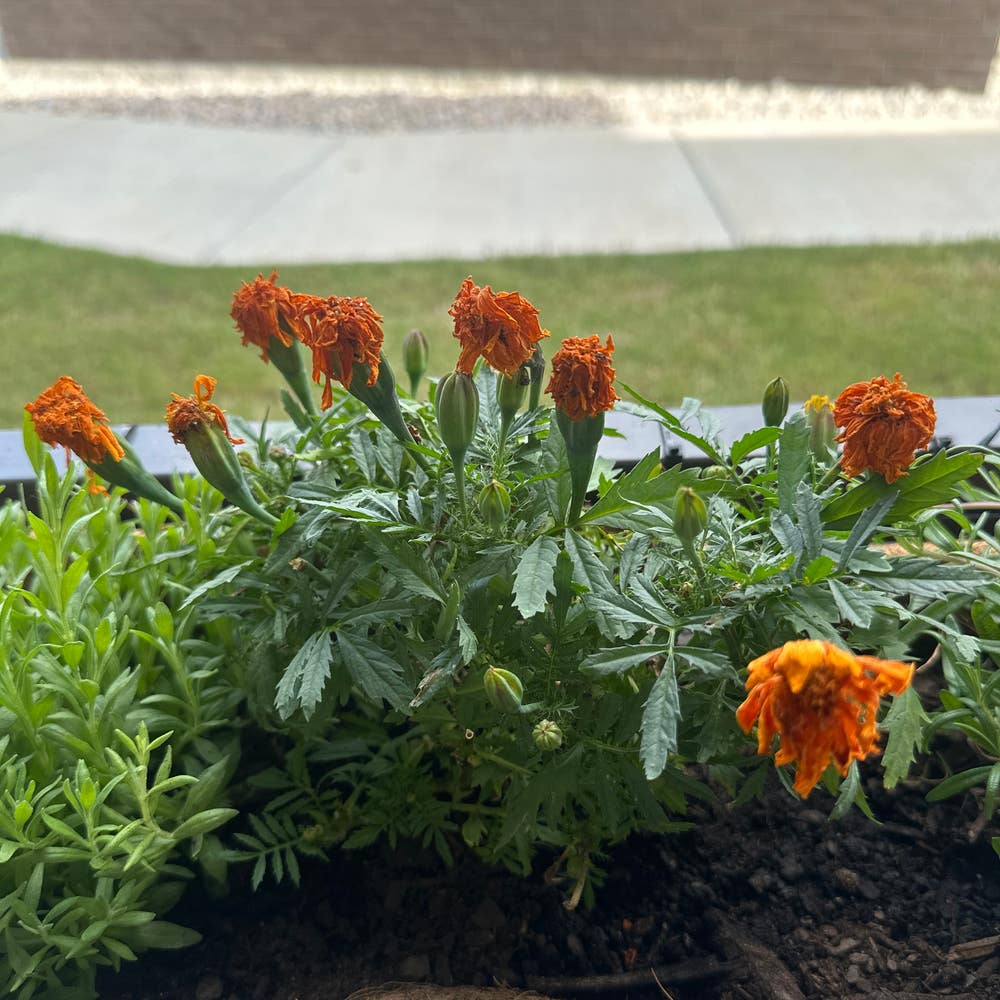
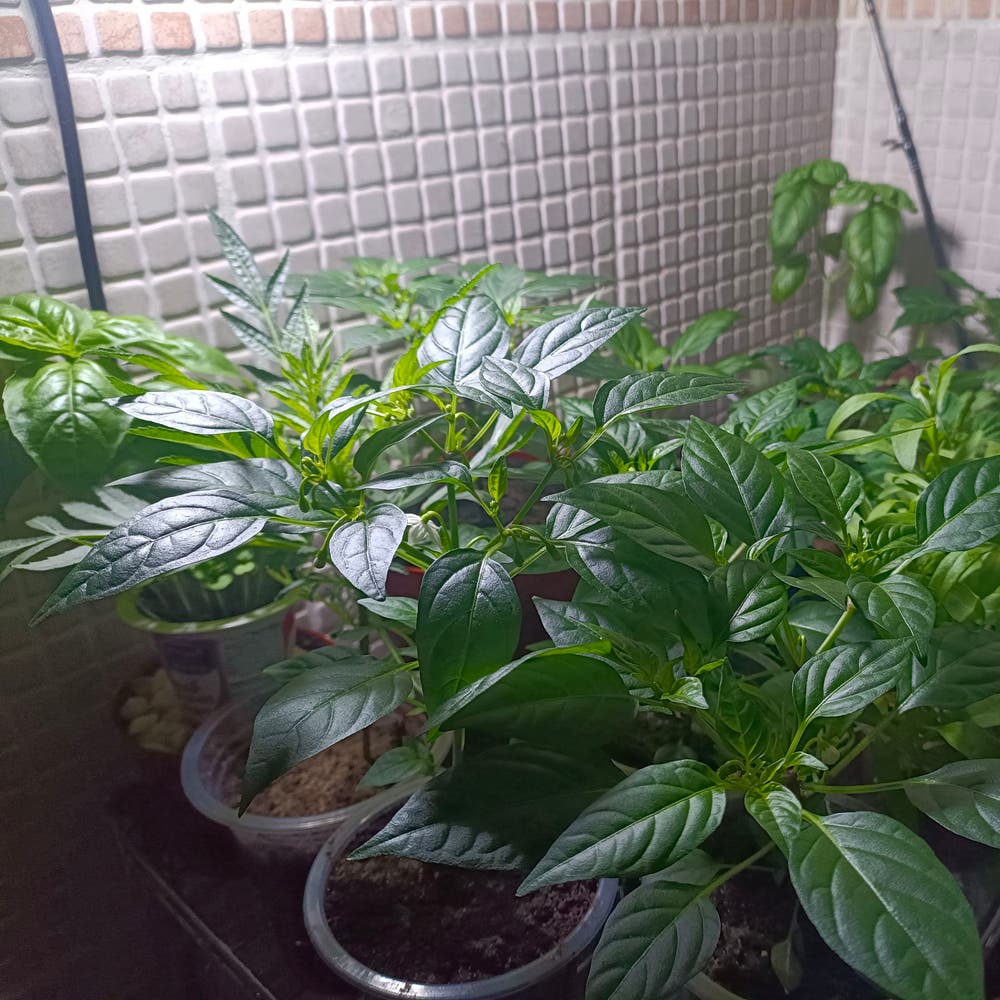
🍂 Why Are the Leaves on My Mountain Marigold Turning Yellow?
Tagetes lemmonii
By the Greg Editorial Team
Mar 26, 2024•4 min read
This article was created with the help of AI so we can cover more plants for you. May contain errors. See one? Report it here.
Save your Mountain Marigold from yellow peril 🌼 and restore its vibrant green splendor with expert tips!
- Nutrient deficiencies like nitrogen, iron, or magnesium cause yellow leaves.
- 🚿 Overwatering or underwatering affects leaf color; check soil moisture.
- 🐛 Pests and diseases need immediate action to prevent yellowing and damage.
Pinpointing the Culprits Behind Yellow Leaves
💡 Nutrient Shortfalls
Yellowing leaves can be a tell-tale sign of nutrient deficiencies. Nitrogen deficiency typically targets the older leaves first, turning them a sorrowful shade of yellow as the plant shifts its resources to newer growth. Iron deficiency is a bit more dramatic, showcasing a stark contrast with yellow leaves that cling to their green veins. And let's not forget magnesium – without it, leaves start to show yellow patches as if they're slowly fading away.
To confirm your suspicions, a soil test is your best friend. It's like a detective's magnifying glass, zooming in on what's missing in the soil's nutritional lineup.
🚰 Water Woes
Overwatering is the equivalent of drowning your plant in love – too much of a good thing. It can lead to yellow leaves, with the added bonus of red or orange spots signaling fungal or bacterial parties you weren't invited to. Conversely, underwatering turns your plant into a crispy critter with brown, parched spots.
To avoid these aquatic misadventures, perform a quick soil check. Is it too wet? Too dry? Use your finger or a moisture meter to investigate. Remember, the right drainage is like the perfect pair of jeans – it just fits.
🐜 Unwanted Guests
Pests and diseases can turn your plant's leaves yellow faster than a banana in a heatwave. Spider mites and mealybugs are the tiny terrors you need to watch out for, while diseases like root rot will have your plant's foliage changing colors like a chameleon in distress.
At the first sign of these freeloaders, it's time to act swiftly. Clean your tools, sharpen your eyes, and prepare to show these party crashers the door.
Turning Over a New Leaf: Remedial Actions
💡 Feeding Your Mountain Marigold Right
Choosing the right fertilizer is crucial to combat yellowing leaves in Mountain Marigolds. Over-fertilizing is like inviting chaos to a garden party—avoid it. Instead, opt for a balanced, water-soluble fertilizer and apply it at half strength during the growing season. Remember, the soil should be moist before you fertilize to prevent root burn. It's like giving your plant a soft landing rather than a crash landing.
🍽️ Soil Amendments
Your soil is the bed where your marigolds sleep. Make it comfortable. Regularly incorporate organic matter to improve texture and drainage. Think of compost or manure as a slow-release energy bar for your plants—nutrients without the shock of over-fertilization. And keep mulch away from the stem; it's not a scarf, it's a blanket for the soil.
🚰 Watering Wisdom
Fine-tuning your watering routine is essential. Let the soil dry out between waterings—your plant isn't a fish; it doesn't need to swim. When the soil doesn't cling to your finger, it's time to water. Do it thoroughly, allowing excess to drain freely—no soggy bottoms allowed.
🏜️ Ensuring the Right Amount
Watering is like a secret handshake with your plant; get it right, and you'll be buddies for life. Use quality water—if your tap water is harder than old bread, switch to filtered or rainwater. Check the soil moisture before each watering, and adjust your routine based on your plant's feedback—because plants talk, just not with words.
Keeping Yellow at Bay: Proactive Practices
🌱 Soil Vigilance
Regular soil testing is a must to stay ahead of nutrient deficiencies. It's like a routine health check-up for your Mountain Marigold, ensuring it gets exactly what it needs. To enhance soil structure and prevent future yellowing, mix in organic matter like compost. This not only feeds your plant but also improves drainage—a double win.
🐜 Pest Deterrence
Encouraging beneficial insects is like recruiting a personal security team for your plants. They work around the clock to keep pests in check. If you do spot trouble, act fast with insecticidal soap or neem oil. Remember, prevention is less of a headache than cure, so keep your garden clean and your plants robust to deter pests naturally.
⚠️ Safety First
This content is for general information and may contain errors, omissions, or outdated details. It is not medical, veterinary advice, or an endorsement of therapeutic claims.
Always consult a qualified healthcare professional before using any plant as food, medicine, or supplement.
Never eat any plant (or feed one to pets) without confirming its identity with at least two trusted sources.
If you suspect poisoning, call Poison Control (800) 222-1222, the Pet Poison Helpline (800) 213-6680, or your local emergency service immediately.
Spotted an error? Please report it here.
Revive your Mountain Marigold from yellow to vibrant green 🌿 with Greg's tailored watering plans and community wisdom for every leafy challenge.