🌞 Managing Direct Sunlight for Your Perennial Marigold
Tagetes lemmonii
By the Greg Editorial Team
Oct 16, 2024•4 min read
This article was created with the help of AI so we can cover more plants for you. May contain errors. See one? Report it here.
Master the sunlight needs of perennial marigolds 🌼 to ensure vibrant blooms and thriving plants all season long!
- ☀️ Perennial marigolds need at least six hours of direct sunlight daily to thrive.
- 🌞 Excessive sunlight can cause sunburn and hinder blooming; monitor conditions closely.
- 🌿 Understanding light patterns is crucial for optimal marigold health and growth.
Sunlight Needs of Perennial Marigold
🌞 Requirements for Direct Sunlight
Perennial marigolds thrive in full sun, requiring at least six hours of direct sunlight daily. The two main varieties, Tagetes patula and Tagetes erecta, have slightly different needs, with Tagetes erecta craving a bit more sun.
🌤️ Tolerance Levels for Direct Sunlight
While these vibrant flowers can tolerate some shade, they perform best in areas with partial sun. However, they are sensitive to extreme heat and may need protection during the hottest parts of the day to prevent stress.
🔆 Effects of Too Much Direct Sunlight
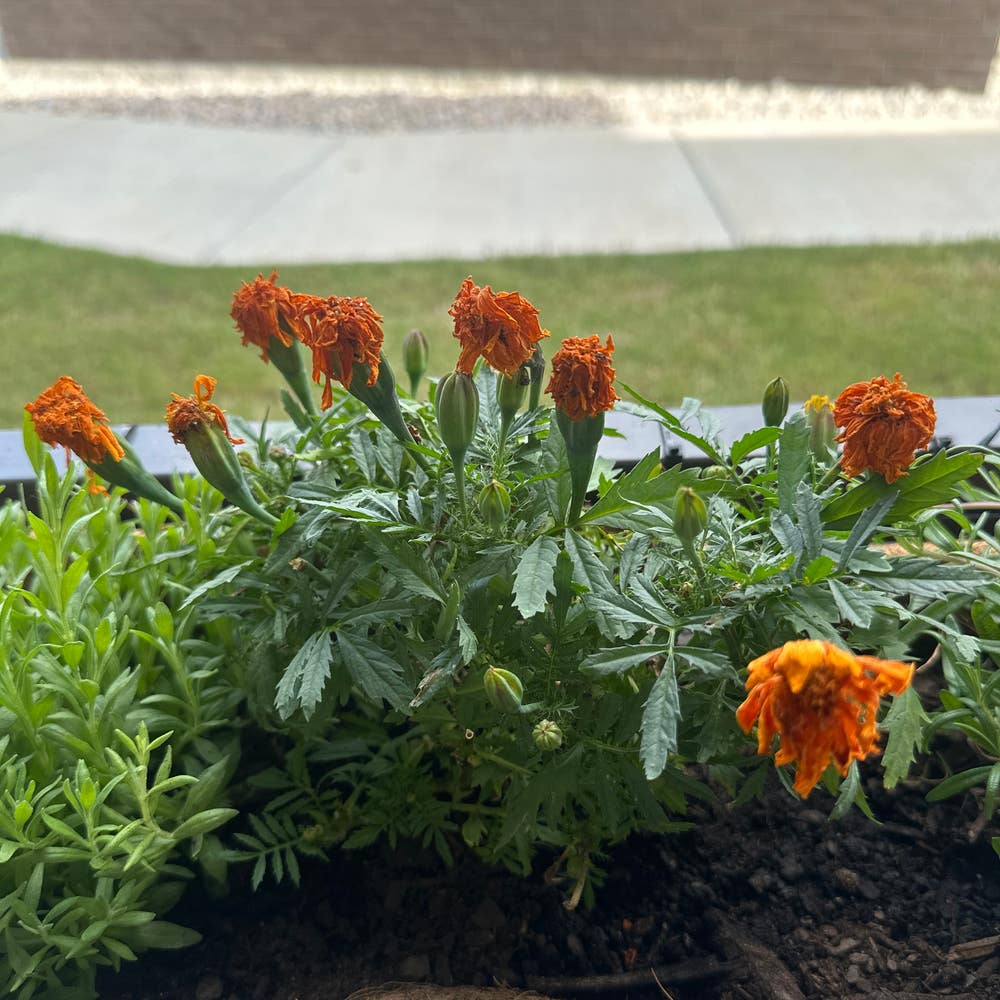
Excessive direct sunlight can lead to sunburn, causing leaves to turn brown or crispy. Additionally, wilting may occur due to dehydration, and overexposure can hinder blooming, reducing the overall beauty of your marigolds.
Understanding these sunlight needs is crucial for keeping your perennial marigolds healthy and vibrant. Next, we’ll explore how environmental factors, like window direction and hemisphere, impact sunlight exposure for your plants.
Environmental Factors
🌞 Role of Window Direction in Sunlight Exposure
The direction of your windows plays a crucial role in how much sunlight your perennial marigold receives.
South-facing windows: These are the champions, soaking up the most direct sunlight throughout the day, perfect for your marigold's growth.
East-facing windows: They offer a gentle morning sun, which is less intense but still beneficial for your plants.
West-facing windows: Expect intense afternoon sun here. Your marigold may need some shading to avoid overheating.
North-facing windows: Generally, these provide only indirect sunlight, which may not be sufficient for your marigold's needs.
🌍 Impact of Hemisphere on Sunlight Intensity and Duration
The hemisphere you live in significantly influences sunlight availability for your plants.
Northern Hemisphere: Enjoy longer days in summer, which means more sunlight for your marigold. However, winter brings shorter days, so plan accordingly.
Southern Hemisphere: The seasonal patterns are flipped. Longer days in winter can be a boon, but you’ll need to consider local climate conditions for optimal growth.
Understanding these environmental factors helps you create the best conditions for your perennial marigold.
Next, let’s dive into practical tips for assessing and adjusting sunlight exposure to keep your marigolds thriving.
Practical Tips for Plant Parents
Assessing Sunlight Conditions for Perennial Marigold 🌞
To ensure your Perennial Marigold thrives, start by observing its sunlight patterns. Track how many hours of direct versus indirect sunlight your plant receives daily.
Using a light meter can also be a game-changer. This handy tool measures light intensity, helping you confirm that your plant's needs are being met.
Adjusting Light Exposure Based on Growth Stage 🌱
When it comes to seedlings, they thrive in bright, indirect light. This helps prevent scorching and sets them up for healthy growth.
Established plants, on the other hand, can handle full sun. Just keep an eye out for any signs of stress, as they may need some adjustments.
Signs of Stress from Improper Sunlight Exposure ⚠️
Watch for yellowing leaves, which often indicate insufficient light. If you notice browning leaf edges, that’s a sign your plant might be getting too much direct sunlight.
Stunted growth is another red flag. It can result from inadequate light conditions, so be proactive in adjusting your plant's environment.
By staying attentive to these factors, you can create the ideal conditions for your Perennial Marigold to flourish. Next, let’s debunk some common misconceptions about sunlight needs.
Common Misconceptions
🌞 Myths About Perennial Marigold and Sunlight
One common myth is that Perennial Marigold can thrive in complete shade. In reality, these vibrant plants need at least some direct sunlight to flourish.
🌤️ Clarifying the Need for Direct vs. Indirect Sunlight
Finding the right balance is crucial. While full sun is ideal for Perennial Marigold, some shade during peak heat can be beneficial.
Understanding light intensity is also key. Not all sunlight is created equal; the time of day and season can significantly impact how much light your marigolds receive.
By debunking these myths, you can better care for your Perennial Marigold, ensuring they get the sunlight they need to bloom beautifully. Next, let’s explore practical tips for assessing and adjusting sunlight exposure for your plants.
⚠️ Safety First
This content is for general information and may contain errors, omissions, or outdated details. It is not medical, veterinary advice, or an endorsement of therapeutic claims.
Always consult a qualified healthcare professional before using any plant as food, medicine, or supplement.
Never eat any plant (or feed one to pets) without confirming its identity with at least two trusted sources.
If you suspect poisoning, call Poison Control (800) 222-1222, the Pet Poison Helpline (800) 213-6680, or your local emergency service immediately.
Spotted an error? Please report it here.
Help your marigolds bloom brilliantly 🌼 by using Greg's tailored sunlight reminders to ensure they get the perfect amount of direct sun each day!