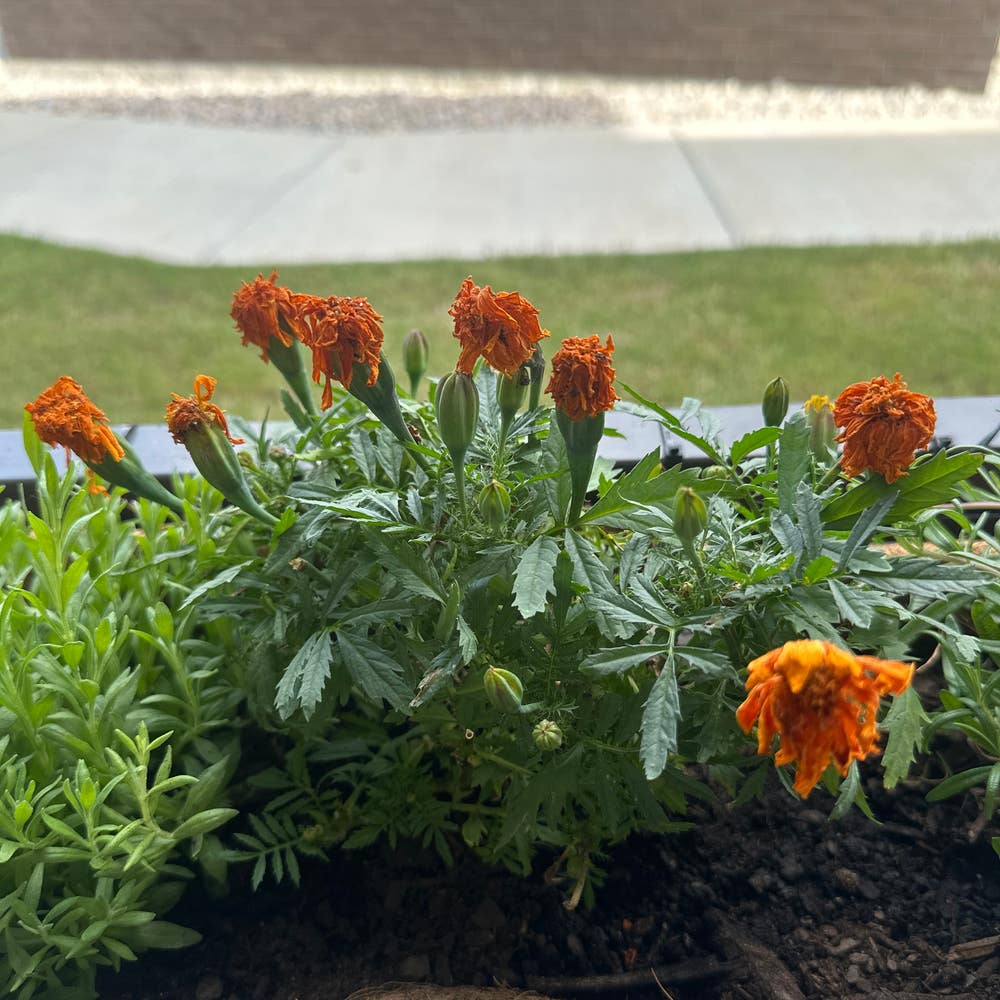
🌻 9 Ideal Companions for Your Perennial Marigold
Tagetes lemmonii
By the Greg Editorial Team
Oct 16, 2024•4 min read
This article was created with the help of AI so we can cover more plants for you. May contain errors. See one? Report it here.
Boost your garden's health and beauty 🌼 with these ideal companion plants for vibrant pest control and growth!
- 🌼 Nasturtium and basil enhance marigolds by attracting pollinators and repelling pests.
- 🌱 Companion plants like zinnias and borage boost aesthetics and soil health alongside marigolds.
- 🍅 Tomatoes and peppers thrive near marigolds, benefiting from their pest-repelling properties.
Ideal Companion Plants
Plant 1: Nasturtium 🌼
Nasturtiums are a vibrant addition to any garden, showcasing brightly colored flowers alongside edible leaves and blooms. They attract pollinators while deterring aphids, making them a fantastic choice for enhancing pest management.
Plant 2: Basil 🌿
Basil is an aromatic herb with lush green leaves that not only adds flavor to your dishes but also thrives alongside marigolds. Its ability to repel flies and mosquitoes promotes a healthier garden environment.
Plant 3: Borage ⭐️
Borage features star-shaped blue flowers that are a magnet for bees. This moderate-difficulty plant improves soil health and helps deter harmful pests like tomato hornworms, making it a valuable companion.
Plant 4: Zinnias 🌸
Zinnias are colorful, hardy flowers that bloom throughout the summer, providing a cheerful aesthetic. They attract beneficial insects and beautifully complement the visual appeal of marigolds.
Plant 5: Calendula 🌻
With bright orange and yellow flowers, calendula not only looks stunning but also boasts medicinal properties. It shares similar sunlight and soil requirements with marigolds, attracting pollinators and repelling pests.
Plant 6: Sweet Alyssum 🌼
Sweet alyssum is a low-growing plant adorned with small white or purple flowers. It attracts beneficial insects and serves as ground cover, effectively reducing weeds in your garden.
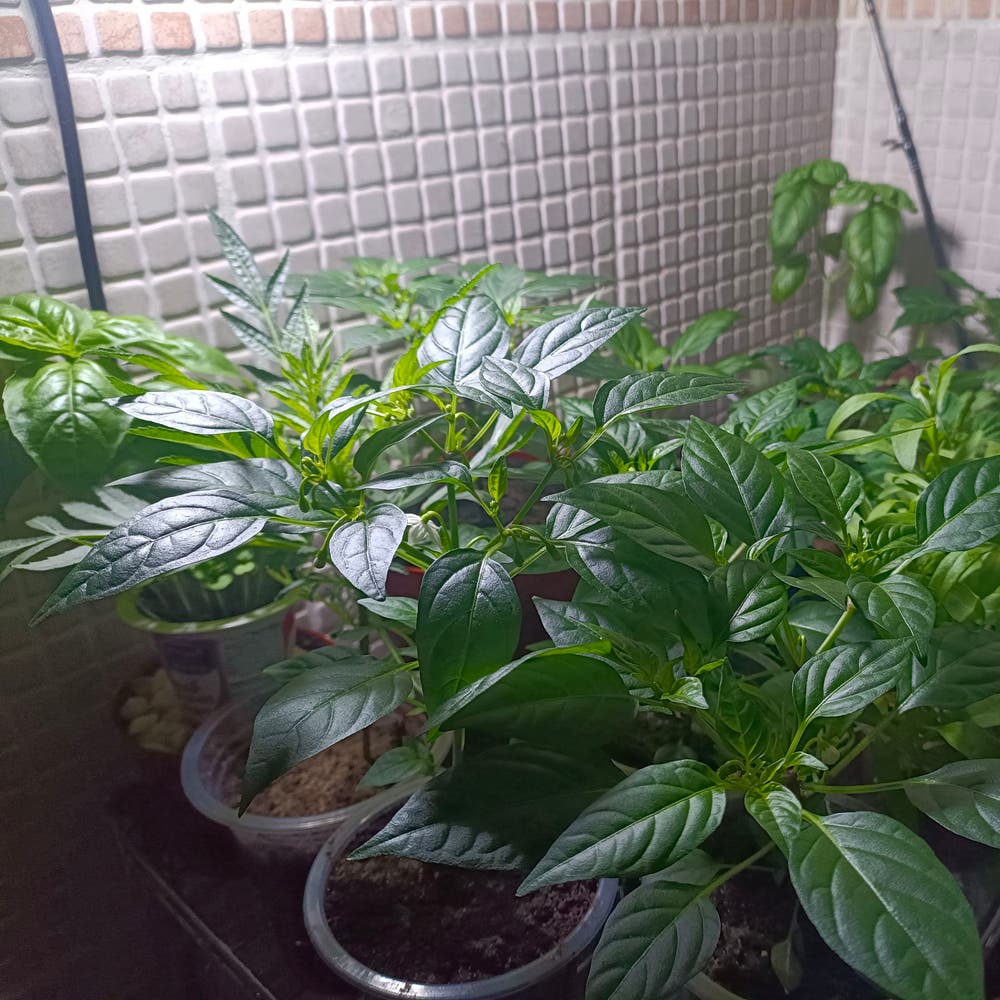
Plant 7: Peppers 🌶️
Peppers come in a variety of flavors, from sweet to hot, and thrive in conditions similar to marigolds. The presence of marigolds helps deter pests that commonly affect pepper plants.
Plant 8: Tomatoes 🍅
Tomatoes are a popular garden vegetable with numerous cultivars. They benefit from the pest-repellent properties of marigolds, particularly against nematodes, ensuring a healthier crop.
Plant 9: Cabbage 🥬
Cabbage is a leafy vegetable that can attract various pests. Planting marigolds nearby helps deter cabbage moths, ultimately improving your yield.
Companion planting with these ideal partners not only enhances your garden's health but also its beauty. Next, we’ll explore which plants to avoid for optimal growth and harmony.
Plants to Avoid
🌱 Fennel
Fennel might seem like a great addition to your garden, but it can actually inhibit the growth of nearby plants, including your beloved marigolds. Its allelopathic properties release chemicals that can stunt the growth of neighboring flora, making it a less-than-ideal companion.
🌿 Mint
While mint adds a refreshing flavor to dishes, its aggressive growth can overshadow marigolds. This competition for nutrients can hinder the health and vibrancy of your marigolds, so it's best to keep mint at a distance in your garden.
Avoiding these plants will help ensure your marigolds thrive alongside their ideal companions. With the right choices, you can create a flourishing garden that attracts pollinators and deters pests effectively.
Pest Management
The Role of Companion Plants 🌱
Companion plants play a crucial role in pest management by creating a diverse ecosystem. This diversity attracts beneficial insects that help control pest populations naturally.
Natural Barriers and Deterrents 🚧
These plants also provide natural barriers and deterrents against harmful pests. By incorporating a variety of species, you can enhance your garden's resilience against infestations.
Specific Pests Repelled by Marigolds 🌼
Nematodes: Perennial marigolds are particularly effective at repelling these soil-dwelling pests. Their roots release compounds that deter nematodes, promoting healthier soil.
Aphids: Both marigolds and companion plants like basil and nasturtium are known to deter aphids. This synergy helps maintain a balanced garden ecosystem, reducing the need for chemical interventions.
Conclusion 🎉
Utilizing companion plants not only enhances pest management but also fosters a thriving garden environment. As you explore these combinations, you'll find that nature often provides the best solutions for keeping your plants healthy and vibrant.
Visual Appeal and Aesthetic Considerations
Color Combinations with Perennial Marigold 🎨
Pairing Perennial Marigolds with vibrant blues, like those from borage, creates a stunning contrast that catches the eye. Additionally, harmonizing yellows and oranges with other warm-colored flowers enhances the overall warmth of your garden.
Height and Structure Considerations for Companion Plants 📏
For a layered aesthetic, position taller plants such as zinnias and tomatoes behind marigolds. This arrangement not only adds depth but also showcases the marigolds' bright blooms in the foreground.
Low-growing plants like sweet alyssum and nasturtium work beautifully in front, providing ground cover and a lush backdrop for the taller companions. This thoughtful layering not only maximizes visual appeal but also promotes a healthy garden ecosystem.
Experimenting with these combinations can lead to a vibrant and dynamic garden space. Embrace the creativity of companion planting to elevate both the beauty and functionality of your garden.
Encouragement to Experiment
⚠️ Safety First
This content is for general information and may contain errors, omissions, or outdated details. It is not medical, veterinary advice, or an endorsement of therapeutic claims.
Always consult a qualified healthcare professional before using any plant as food, medicine, or supplement.
Never eat any plant (or feed one to pets) without confirming its identity with at least two trusted sources.
If you suspect poisoning, call Poison Control (800) 222-1222, the Pet Poison Helpline (800) 213-6680, or your local emergency service immediately.
Spotted an error? Please report it here.
Enhance your garden's beauty and health with ideal companions for your marigolds 🌼—let Greg guide you with tailored care tips to ensure your plants thrive together in harmony!