How Frequently Should I Water My Mountain Marigold?
Tagetes lemmonii
By the Greg Editorial Team
Mar 26, 2024•4 min read
This article was created with the help of AI so we can cover more plants for you. May contain errors. See one? Report it here.
Nurture vibrant mountain marigolds 🌼 with the right watering rhythm—no more guesswork!
- Dry soil and wilting? Time to water your mountain marigold.
- 🍂 Yellow leaves mean overwatering; adjust your routine accordingly.
- Seasons change, so does watering - adapt to weather and pot type.
When to Water: Reading Your Plant's Thirst Cues
🏜️ Signs Your Mountain Marigold is Thirsty
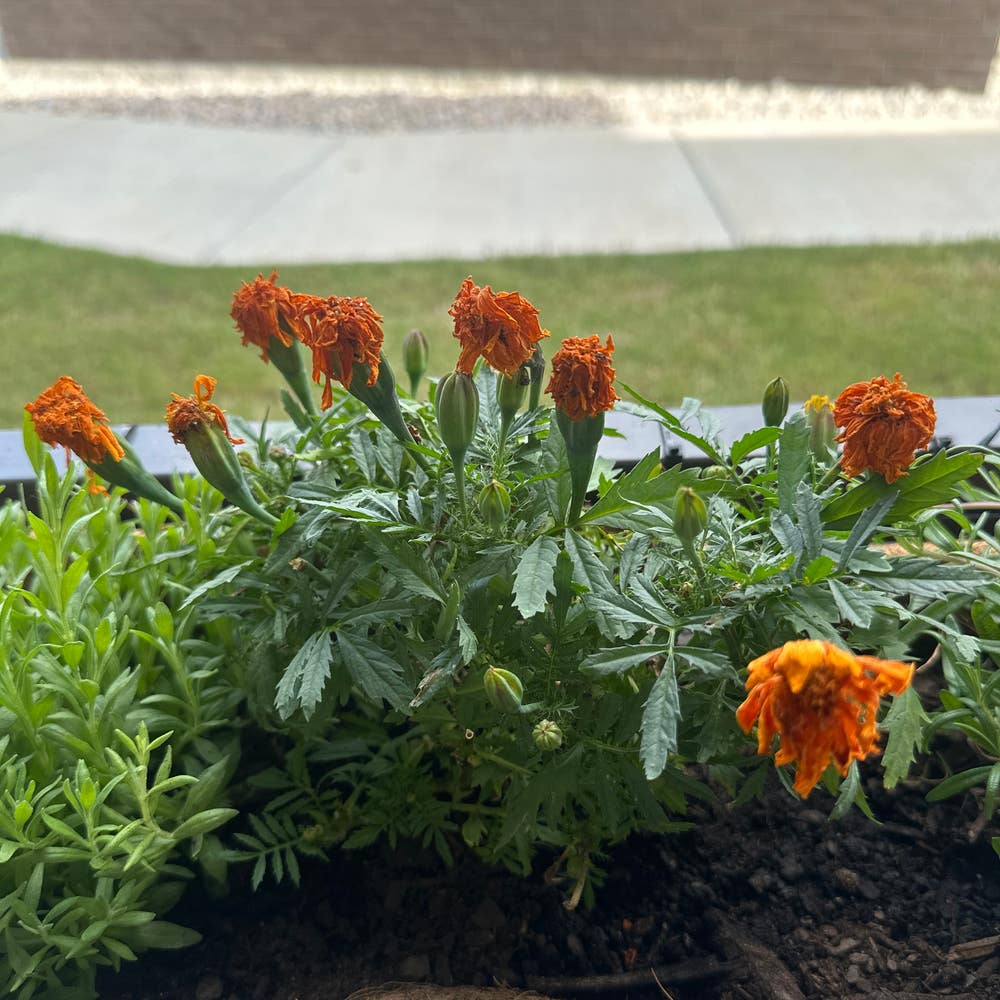
Wilting is your marigold's white flag of surrender to thirst. Dry soil that repels water like a raincoat needs immediate attention. It's a clear signal your plant's roots are as parched as a desert.
🚰 Too Much Love: Symptoms of Overwatering
Yellow leaves are the plant's way of saying, "I'm drowning in your affection!" Root rot is the silent killer, turning healthy roots into a mushy disaster. If your pot smells like last week's leftovers, it's time to ease up on the watering.
How to Water: Best Practices for Mountain Marigold Hydration
💧 The Perfect Pour: Watering Techniques for Mountain Marigolds
Watering your mountain marigold isn't rocket science, but it's not a mindless pour either. Here's how to nail it:
- Morning Ritual: Water early to avoid evening dampness, which is a party invitation for fungi.
- Deep Soak: Aim for the root zone to encourage strong, deep root growth.
- Dry Top: Let the top inch of soil dry out before going in for another round to prevent root suffocation.
- Mulch Magic: A mulch layer keeps the soil moist longer and the weeds at bay.
- Finger Test: Trust your instincts and check the soil moisture with your finger.
- Avoid Leaf Baths: Water the base to keep the foliage dry and disease-free.
🌦 Seasonal Shifts: Adjusting Watering with the Weather
Your mountain marigold's thirst changes with the seasons:
- Summer Blaze: Crank up the watering frequency as the mercury rises.
- Winter Lull: Ease off the watering pedal when it's cooler and your marigold's growth slows down.
- Watch the Weather: Rainy days mean a break for you and your watering can.
- Container Consideration: Potted marigolds dry out faster, so they might need more frequent check-ins.
Remember, overwatering is just as harmful as under-watering. Keep an eye out for soggy soil and adjust accordingly.
Keeping the Balance: Soil and Moisture Management
💧 The Right Foundation: Choosing a Potting Mix
Selecting the ideal potting mix for your mountain marigold is akin to setting up a strong foundation for a house. You want a mix that retains just enough moisture without becoming waterlogged. Peat-based potting mixes are a good starting point, offering a balance between water retention and drainage. Additives like perlite or pumice can enhance drainage, while organic matter such as compost can improve moisture retention.
🚰 Drainage Dynamics: Ensuring Proper Water Flow
Drainage holes are non-negotiable for healthy mountain marigolds. They act as an escape route for excess water, much like a safety valve. To further optimize drainage, consider adding a layer of pebbles at the bottom of the pot. This helps prevent soil from clogging the holes and allows for better water flow. Remember, well-drained soil is not just a preference; it's a critical requirement for preventing root rot and ensuring the vitality of your plant.
Tailoring to Your Environment: External Factors Influencing Water Needs
☀️ Sun, Heat, and Humidity: Adapting to Your Marigold's Microclimate
Mountain marigolds aren't just about the altitude; they're about attitude—specifically, how they handle the sun's rays and the sauna that is your local climate. Light and temperature are the dynamic duo here. More sunlight equals more water. It's like they're sunbathing while sipping a cocktail, except the cocktail is your watering can, and you're the attentive bartender.
Humidity is the sneaky third wheel. High humidity means your marigold's soil stays moist longer, like a sponge that just won't quit. Low humidity? That soil's going to dry out faster than your mouth in a desert. Keep a weather eye on the sky and your finger on the soil's pulse—it's the best way to gauge your plant's thirst.
🏡 Home Sweet Home: Pot Size and Material Considerations
Now, let's talk real estate—the pot. Size matters. Smaller pots are like cozy studio apartments; they dry out faster than a sprawling mansion. Material is another biggie. Clay pots breathe like yoga instructors, letting moisture and air flow freely. Plastic pots, on the other hand, hold onto moisture like a toddler with a favorite toy.
Your mountain marigold's home affects its drinking habits. Bigger pot, less frequent watering. Smaller pot, more trips to the tap. And material? It's like choosing between a house with central air or one with old-school radiators. Each has its quirks in keeping the balance between dry and drenched.
⚠️ Safety First
This content is for general information and may contain errors, omissions, or outdated details. It is not medical, veterinary advice, or an endorsement of therapeutic claims.
Always consult a qualified healthcare professional before using any plant as food, medicine, or supplement.
Never eat any plant (or feed one to pets) without confirming its identity with at least two trusted sources.
If you suspect poisoning, call Poison Control (800) 222-1222, the Pet Poison Helpline (800) 213-6680, or your local emergency service immediately.
Spotted an error? Please report it here.
Keep your mountain marigold thriving 🌱 with Greg's tailored watering reminders, ensuring you hit the sweet spot between dry soil and overwatering, specific to your plant's environment.