💧 Why Are My Mountain Marigold Leaves Droopy?
Tagetes lemmonii
By the Greg Editorial Team
Mar 26, 2024•5 min read
This article was created with the help of AI so we can cover more plants for you. May contain errors. See one? Report it here.
Perk up your Mountain Marigold 🌼 and banish droopiness with these essential plant care tips!
- Droopy leaves signal distress; look for soft stems and curled leaves.
- Overwatering and underwatering are common causes; adjust watering and soil moisture.
- Consistent environment is key; avoid direct light and sudden temperature changes.
Spotting the Signs: When Your Mountain Marigold is Unhappy
🍂 Telltale Symptoms of Droopiness
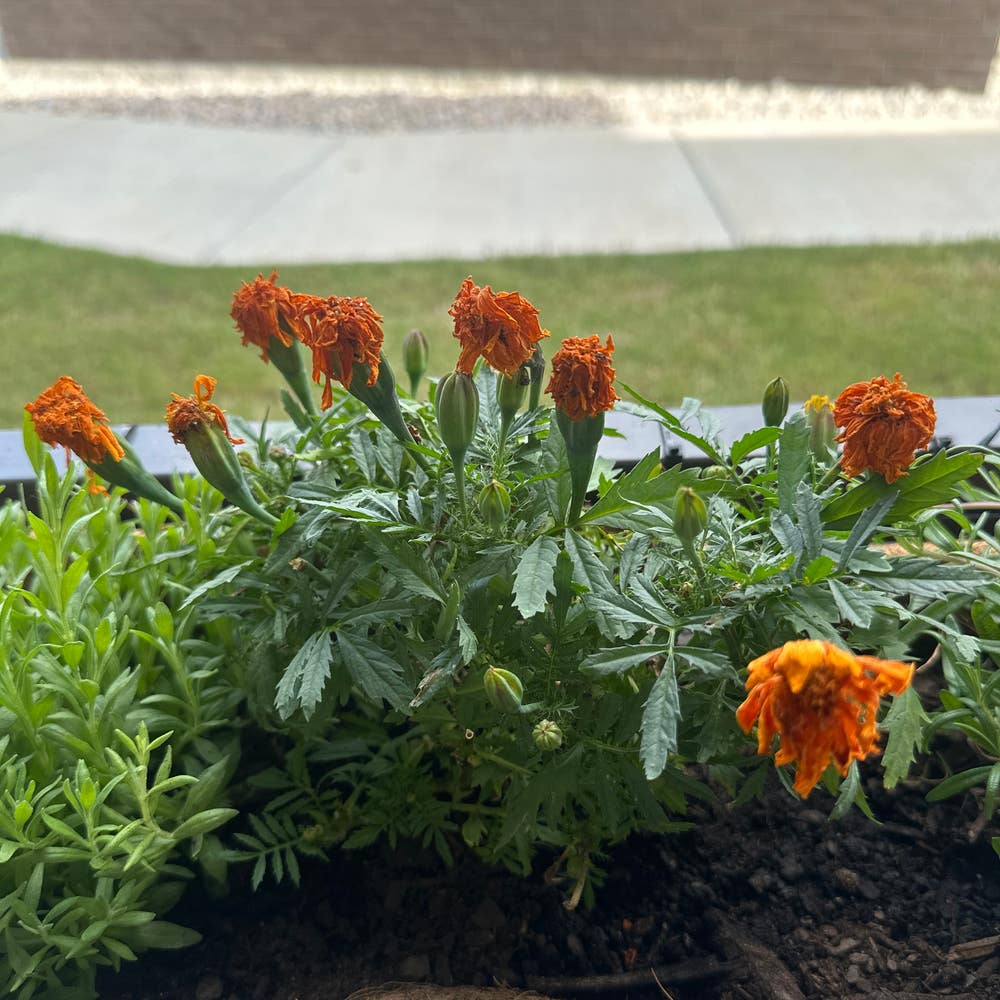
Mountain Marigold leaves should stand firm and proud. Droopiness is a glaring sign that your plant is calling for help. Leaves that hang limply, as though they've given up on life, are not to be ignored. If the stems also feel soft or look mushy, it's a clear indication that your plant is in distress.
How Droopy Leaves Differ from Natural Plant Behavior
It's crucial to distinguish between a natural rest period and a cry for help. Mountain Marigolds naturally have a vibrant posture. When leaves start to curl inwards or fold, it's not a quirky trait; it's a red flag. This deviates from their typical flat, perky stance. If your plant's leaves are more droopy than a teenager on a Monday morning, it's time to take action.
The Usual Suspects: Identifying the Culprits Behind the Droop
💦 Too Much Love: The Perils of Overwatering
Overwatering is like a helicopter parent at a playground; it smothers. Root rot sets in when your Mountain Marigold's feet are constantly wet. The soil should never feel like a wet sponge that's given up on life. If the leaves are more yellow than a school bus and the stems have the integrity of overcooked noodles, you're drowning your plant in affection.
🏜️ Thirsty Roots: The Underwatering Dilemma
Conversely, underwatering is like sending your plant to a desert with a sealed water bottle. Leaves dropping faster than your weekend plans is a sure sign of thirst. The soil's top should be dry to the touch, but not as parched as a forgotten loaf of bread. If the leaves have the plumpness of a deflated balloon, it's time to quench that thirst.
🚰 The Drainage Drama: Why Waterlogged Soil is a No-No
Good drainage is as essential as a plumber during a flood. If your Mountain Marigold's pot lacks proper escape routes for water, you're setting up a tiny Titanic scenario. Ensure those drainage holes are as clear as your intentions to keep the plant alive.
🌞 Feeling the Heat: Temperature and Light Stress
Lastly, don't let your Mountain Marigold get a sunburn. Direct light is a no-no; it needs the sunglasses effect—bright but filtered. Keep the temperature as consistent as a baker's oven. Sudden changes are as welcome as a snowstorm in July.
The Rescue Mission: Bringing Your Mountain Marigold Back to Perkiness
💧 Fine-Tuning Your Watering Technique
Watering is an art, and your Mountain Marigold is the canvas. Early morning watering lets the plant hydrate before the sun turns up the heat. Ensure you're not just giving a sip when a gulp is needed, or a flood when a drink will do. Check the soil's moisture with a finger—dry an inch down? Time to water.
🌱 Soil and Drainage: Laying the Foundation for Firm Leaves
The right soil mix can make or break your Mountain Marigold's mood. Aim for well-draining soil that's not too proud to ask for help—mix in perlite or coarse sand to avoid waterlogging. Pots with drainage holes are non-negotiable; they're the escape route for excess water that could drown your plant's roots.
🏞 Creating the Perfect Mountain Marigold Haven
Your Mountain Marigold doesn't need a spa, but it does crave the perfect spot to call home. Protect it from the harsh afternoon sun, which can be as draining as a bad date. And remember, while it's a tough cookie, it still needs your vigilance—a watchful eye for pests, proper watering, and a good soil mix will keep it from drooping.
Keeping the Leaves Up: Long-Term Strategies for a Droop-Free Life
💧 Crafting the Ideal Watering Schedule
Consistency is your plant's best pal when it comes to hydration. Forget about watering on a whim; your Mountain Marigold craves a schedule. Use the topsoil touch-test or a moisture meter to gauge when it's time for a drink. During growth phases, your plant might be thirstier, so adjust accordingly. And remember, less is more when winter rolls around.
🌱 Choosing the Right Soil Mix
The right soil mix is like a good mattress for your plant—it needs to be just right. Aim for a well-draining blend that holds moisture without turning into a swamp. Consider adding perlite or sand to improve drainage. This isn't just about comfort; it's about survival. Your Mountain Marigold's roots despise wet feet.
🌍 Monitoring and Adjusting Environmental Factors
Your plant doesn't live in a bubble—environmental factors matter. Keep an eye on humidity levels; too much and you're in fungus territory, too little and you'll have a crisp leaf on your hands. Use a hygrometer to keep tabs. Light is another biggie; too direct and you risk scorch, too dim and your Marigold might start reaching for the stars—or the nearest light source. Adjust your plant's position as the seasons change, and watch it thank you with perky leaves.
⚠️ Safety First
This content is for general information and may contain errors, omissions, or outdated details. It is not medical, veterinary advice, or an endorsement of therapeutic claims.
Always consult a qualified healthcare professional before using any plant as food, medicine, or supplement.
Never eat any plant (or feed one to pets) without confirming its identity with at least two trusted sources.
If you suspect poisoning, call Poison Control (800) 222-1222, the Pet Poison Helpline (800) 213-6680, or your local emergency service immediately.
Spotted an error? Please report it here.
Banish droopiness and keep your Mountain Marigold thriving 🌼 with Greg's custom watering schedules and habitat tips tailored to your plant's needs.