☀️ Light Requirements For Your Perennial Marigold
Tagetes lemmonii
By the Greg Editorial Team
Oct 16, 2024•4 min read
This article was created with the help of AI so we can cover more plants for you. May contain errors. See one? Report it here.
Transform your marigolds into a blooming spectacle 🌼 by mastering essential indoor and outdoor lighting techniques! 🌞
- 🌞 Perennial marigolds need 12-14 hours of light daily for optimal growth.
- 💡 Grow lights enhance growth in low-light conditions, especially during darker months.
- 🌿 Rotate plants regularly to ensure even light exposure and prevent leggy growth.
Indoor Light Guidance
Optimal Indoor Lighting Conditions 🌞
For your perennial marigold, the best light source is a south or west-facing window. Aim for a minimum of 12-14 hours of light each day to keep your plants thriving.
Types of Indoor Lighting 💡
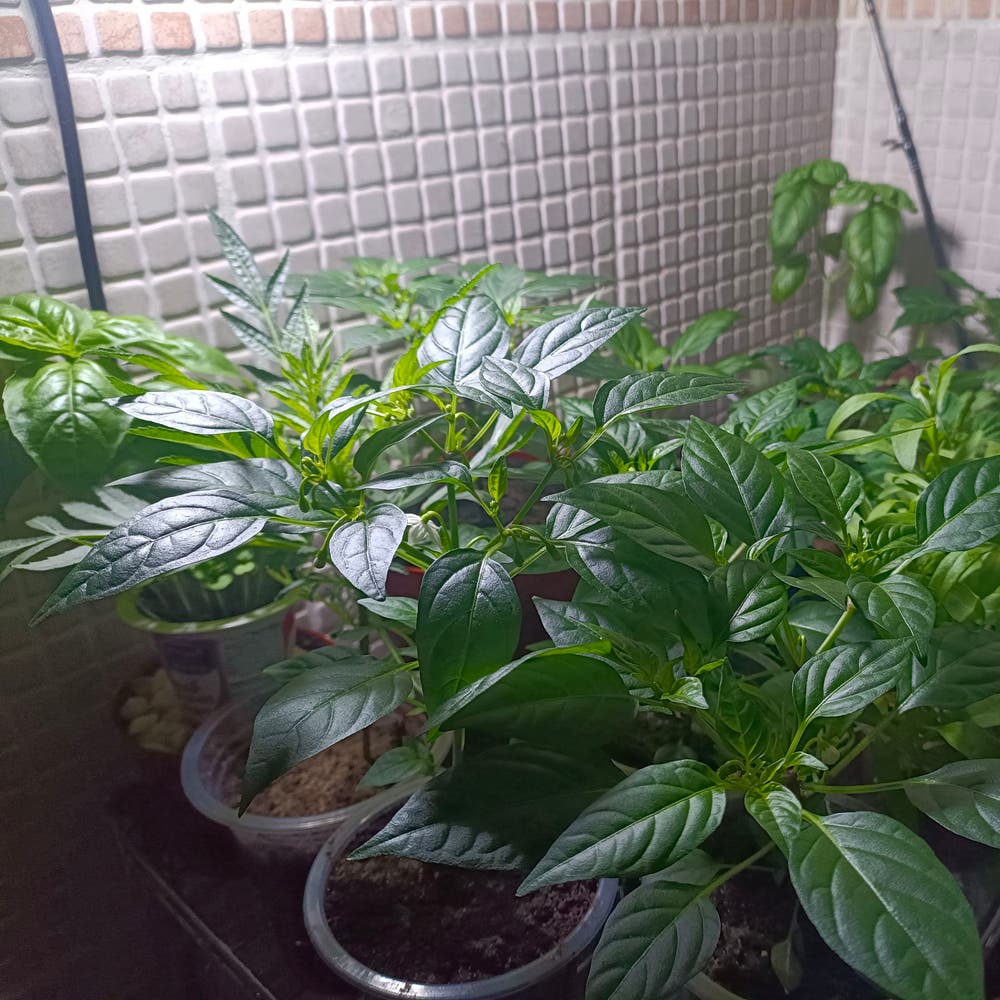
When it comes to indoor lighting, you have two main options: natural light and artificial light. While natural light is ideal, using grow lights can significantly enhance growth, especially during darker months.
Adjusting Light for Indoor Growth 🔄
To ensure even light exposure, regularly rotate your plants. Additionally, keep an eye on light intensity; too little can lead to leggy growth, while too much can stress your marigolds.
This foundational understanding of indoor light will set the stage for exploring outdoor light guidance next.
Outdoor Light Guidance
🌞 Sun Exposure Requirements
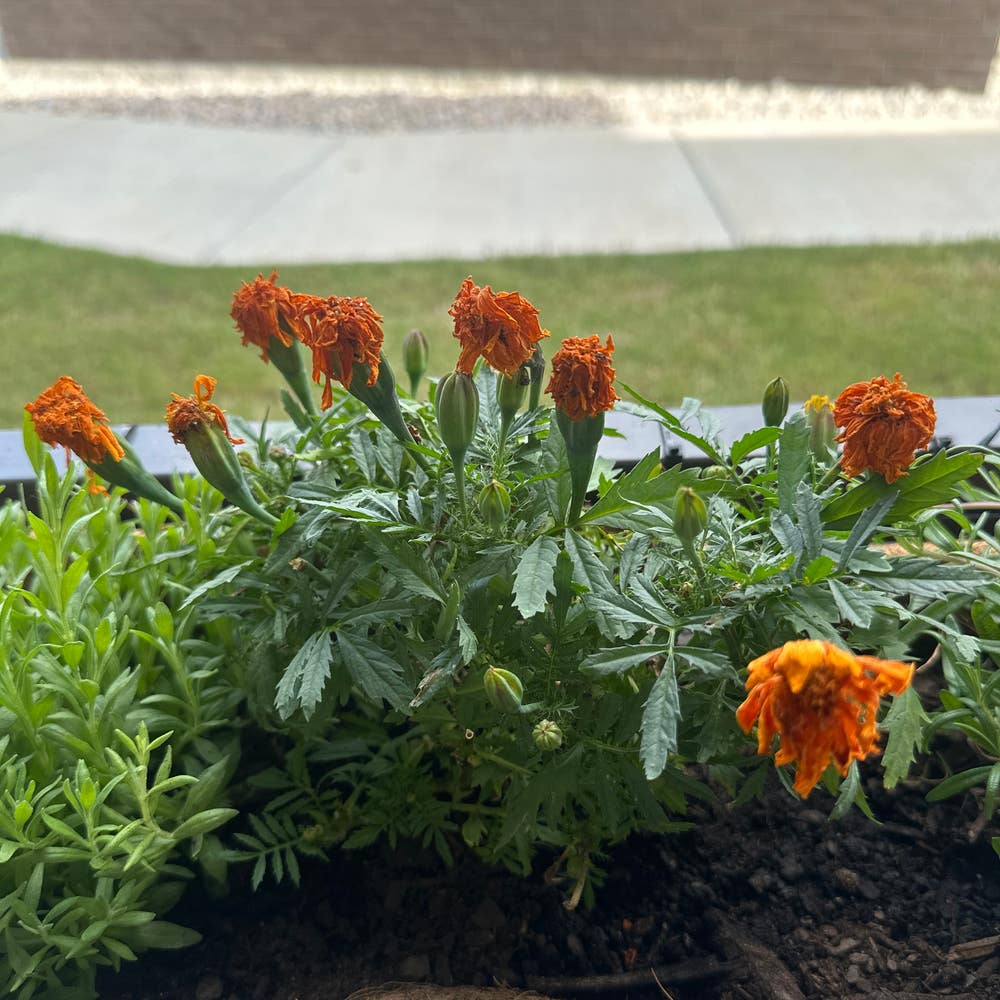
Perennial marigolds thrive in full sun, requiring at least 6 hours of direct sunlight each day. The best spots for planting are sunny garden beds or borders where they can soak up those rays.
🌳 Shade Tolerance
While marigolds can tolerate partial shade, be aware that this may compromise their flowering. For optimal results in partially shaded areas, consider planting them near the edges of the shade or in spots that receive dappled sunlight throughout the day.
Ensuring your marigolds get the right amount of light is crucial for vibrant blooms and healthy growth. Next, let’s explore how light influences flowering in these beautiful plants.
Role of Light in Flowering
🌼 Light and Flowering Relationship
Light plays a crucial role in the blooming process of perennial marigolds. Both the duration and intensity of light directly influence how well these vibrant flowers thrive.
When marigolds receive adequate light, they produce more blooms. Aim for at least 12-14 hours of light daily to encourage robust flowering.
💡 Consistent Light Exposure
Consistency is key for prolonged flowering. Fluctuations in light exposure can lead to stress, affecting the plant's ability to bloom.
To keep your marigolds happy, ensure they receive stable light conditions. This will not only enhance their flowering but also promote overall plant health.
With the right light setup, your marigolds will reward you with a stunning display of color. Next, let’s explore how to effectively use grow lights to support your plants indoors.
Use of Grow Lights
🌟 Benefits of Grow Lights
Grow lights are a game-changer for indoor gardening, especially during those gloomy, low-light seasons. They provide the essential light your Perennial Marigold needs to thrive, ensuring vibrant blooms even when natural sunlight is scarce.
When it comes to types of grow lights, you have several options. LED lights are energy-efficient and long-lasting, while fluorescent lights are great for seedlings and young plants. Each type has its unique benefits, so choose one that fits your gardening style.
🛠️ Best Practices for Using Grow Lights
Placement is key when using grow lights. Position them about 12 to 24 inches above your plants to ensure optimal light exposure without causing stress.
For light duration, aim for 12 to 16 hours a day. This mimics natural sunlight and encourages healthy growth. Adjust the intensity based on your plants' needs; too much light can be just as harmful as too little.
By following these best practices, you can create a thriving indoor environment for your Perennial Marigold. Next, let’s explore common light-related issues that might arise in your gardening journey.
Common Light-Related Issues
Signs of Insufficient Light 🌑
When your perennial marigold isn't getting enough light, it can show some telltale signs. Look out for leggy growth, where the stems stretch out in search of light, as well as pale leaves and reduced flowering.
To remedy this, consider increasing light exposure. You might relocate your plants closer to a window or invest in grow lights to give them the boost they need.
Signs of Excessive Light ☀️
On the flip side, too much light can be just as harmful. Symptoms of excessive light include leaf scorch, wilting, and browning edges, which can leave your marigolds looking less than vibrant.
If you notice these signs, it's time to provide some shade. Adjusting your plant's placement or using sheer curtains can help mitigate the harsh effects of direct sunlight.
By keeping an eye on these light-related issues, you can ensure your perennial marigolds thrive beautifully. Next, let’s explore the role of light in flowering and how it impacts your plants' blooming potential.
⚠️ Safety First
This content is for general information and may contain errors, omissions, or outdated details. It is not medical, veterinary advice, or an endorsement of therapeutic claims.
Always consult a qualified healthcare professional before using any plant as food, medicine, or supplement.
Never eat any plant (or feed one to pets) without confirming its identity with at least two trusted sources.
If you suspect poisoning, call Poison Control (800) 222-1222, the Pet Poison Helpline (800) 213-6680, or your local emergency service immediately.
Spotted an error? Please report it here.
Keep your marigolds blooming brightly 🌼 by using Greg's tailored light reminders to ensure they get the perfect amount of sunshine every day!