🌼 Key Milestones in Marigold Growth
Tagetes lemmonii
By the Greg Editorial Team
Oct 16, 2024•5 min read
This article was created with the help of AI so we can cover more plants for you. May contain errors. See one? Report it here.
Cultivate vibrant perennial marigolds 🌼 by mastering their growth stages for a flourishing garden experience!
- 🌱 Germination takes 5 to 10 days; optimal soil temperature is 70°F to 75°F.
- 🌼 Flowering starts 8 to 12 weeks after germination, showcasing vibrant blooms.
- 💧 Consistent moisture and light are crucial for healthy growth and vibrant flowers.
Germination Stage
🌱 Duration of Germination
Germination is the first exciting step in growing perennial marigolds. Under optimal conditions, you can expect seeds to sprout within 5 to 10 days.
🌟 Conditions for Successful Germination
To kickstart the germination process, pay attention to a few key conditions.
Soil Temperature
Aim for a soil temperature between 70°F to 75°F (21°C to 24°C) for the best results. This warm environment encourages seeds to awaken and grow.
Soil Moisture
Keep the soil consistently moist, but avoid waterlogging. Too much water can drown the seeds, while too little can hinder their growth.
💡 Light Requirements
Indirect light is beneficial during germination. It can enhance germination rates, helping your seeds to sprout more effectively.
By ensuring these conditions are met, you'll set the stage for healthy seedlings to emerge. This foundational stage is crucial for the success of your marigold plants, leading seamlessly into the next growth phase.
Seedling Stage
🌱 Characteristics of Seedlings
Once germination is complete, you'll see small, green cotyledons sprouting first. These initial leaves are soon followed by true leaves, marking the plant's transition into a more robust growth phase.
Seedlings typically reach a height of 2 to 4 inches during this stage. This growth is a sign that your perennial marigold is on the right track!
⏳ Duration of the Seedling Stage
The seedling stage lasts approximately 2 to 4 weeks before your marigold transitions into vegetative growth.
During this time, providing adequate light and moisture is crucial for healthy development. Keep an eye on your seedlings; they need the right conditions to thrive!
With the right care, your marigolds will soon be ready for their next growth phase.
Vegetative Growth Stage
Growth Patterns and Changes 🌱
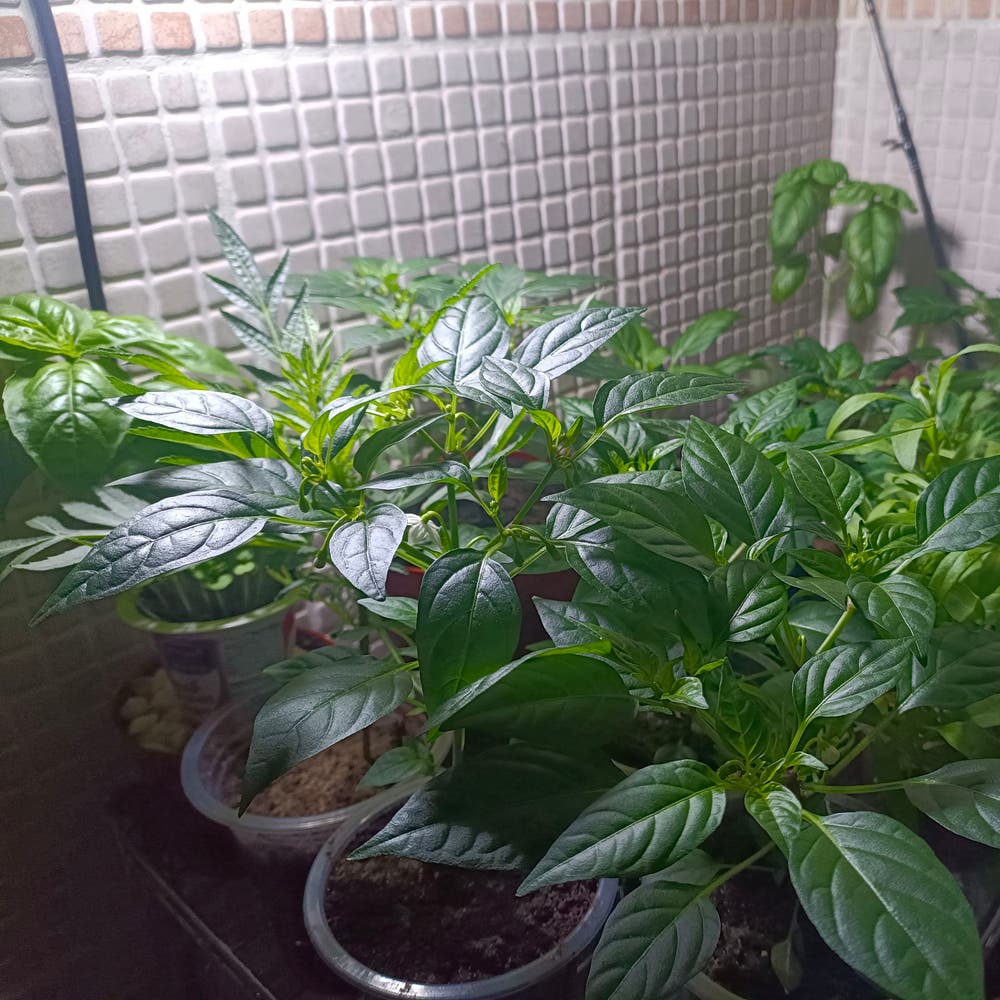
During the vegetative growth stage, perennial marigolds showcase remarkable leaf development. You'll notice the formation of compound leaves that not only increase in size but also in number, creating a lush green canopy.
As the plants mature, they can grow impressively tall, reaching heights between 12 to 36 inches. This growth varies depending on the specific variety you’re cultivating.
Duration of Vegetative Growth ⏳
This stage typically lasts about 4 to 8 weeks, but environmental conditions can influence the timeline. Factors like temperature and light exposure play a crucial role in determining how quickly your marigolds thrive.
During this period, the plants have an increased demand for nutrients, particularly nitrogen. Ensuring they receive adequate nourishment will set the stage for a vibrant flowering phase ahead.
With a solid understanding of the vegetative growth stage, you're well-equipped to nurture your marigolds. Next, let's explore the exciting transition into the flowering stage, where your plants will truly begin to shine.
Flowering Stage
Timeframe for Flowering 🌼
The flowering stage of perennial marigolds typically begins 8 to 12 weeks after germination. This period is crucial, as the duration of flowering can extend from several weeks to months, influenced by the specific variety and environmental conditions.
Changes in Plant Appearance 🌸
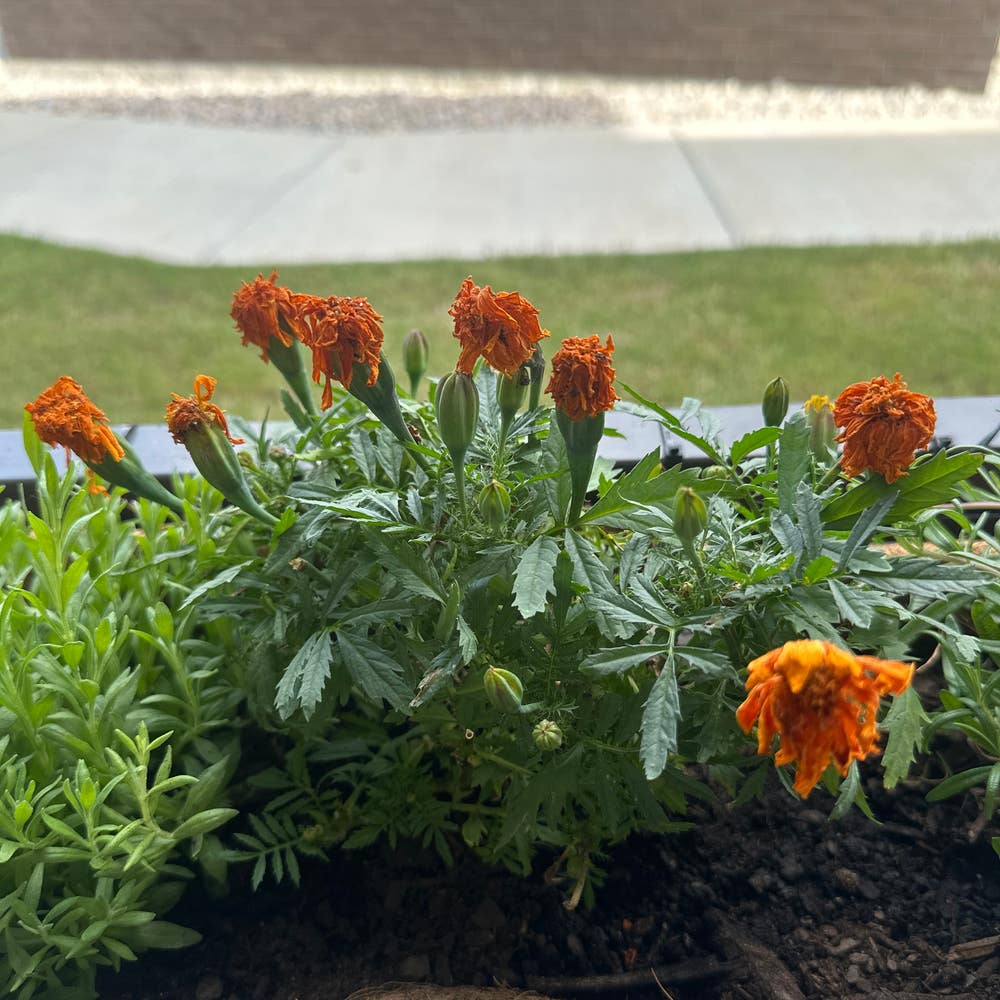
As the flowering stage progresses, you'll notice vibrant blooms emerging in shades of yellow, orange, and red. These colorful flowers not only brighten your garden but also attract pollinators.
Additionally, the foliage undergoes noticeable changes. Leaves may become more lush and dense, enhancing the overall visual appeal of the plant. This transformation signifies a healthy, thriving marigold ready to showcase its beauty.
The flowering stage is a rewarding time for gardeners, as the effort put into nurturing the plants begins to pay off. With the right conditions, your marigolds will flourish, creating a stunning display that can last well into the growing season.
As we transition to the next stage, let's explore the fascinating process of seed production that follows flowering.
Seed Production Stage
Process of Seed Production 🌼
Pollination is a crucial step in the seed production stage of perennial marigolds. By attracting pollinators like bees and butterflies, the plants enhance their seed set, ensuring a robust yield.
Once pollination occurs, seeds begin to develop within the flower heads. This process is vital for the continuation of the plant's life cycle and contributes to the garden's biodiversity.
Duration and Conditions for Seed Production ⏳
Seed production typically takes about 4 to 6 weeks after flowering. This timeframe can vary based on environmental conditions.
For successful seed maturation, adequate moisture and sunlight are essential. Ensuring these conditions will lead to a healthy seed harvest, ready for future planting or sharing with fellow gardening enthusiasts.
As we transition from seed production, it's important to consider how growth rates and maturation can impact your gardening experience. Understanding these factors will help you cultivate a thriving garden.
Growth Rate and Maturation
🌱 How Long Until Perennial Marigold is Fully Grown?
The journey from seed to maturity for perennial marigolds typically spans about 3 to 4 months under optimal conditions. This timeframe allows the plants to develop robust roots and vibrant blooms.
⏳ Factors Affecting Growth Rate
Several key factors influence how quickly your marigolds grow:
- Soil Quality: Nutrient-rich, well-draining soil is crucial for promoting faster growth.
- Watering Practices: Maintaining consistent moisture levels is essential for healthy development.
- Light Exposure: Full sun, ideally 6 to 8 hours daily, significantly enhances growth rates.
📊 Comparison of Growth Rates Among Varieties
Growth rates can vary widely among different marigold varieties:
- Fast-Growing Varieties: Some can reach maturity in as little as 2 months, making them ideal for quick blooms.
- Slower-Growing Varieties: Others may take up to 5 months to fully mature, offering a longer wait for those stunning flowers.
Understanding these growth dynamics can help you plan your garden effectively. With the right conditions and care, your perennial marigolds will thrive, bringing vibrant colors to your space. Next, let’s explore the exciting flowering stage and what to expect as your plants begin to bloom.
⚠️ Safety First
This content is for general information and may contain errors, omissions, or outdated details. It is not medical, veterinary advice, or an endorsement of therapeutic claims.
Always consult a qualified healthcare professional before using any plant as food, medicine, or supplement.
Never eat any plant (or feed one to pets) without confirming its identity with at least two trusted sources.
If you suspect poisoning, call Poison Control (800) 222-1222, the Pet Poison Helpline (800) 213-6680, or your local emergency service immediately.
Spotted an error? Please report it here.
Cultivate vibrant marigolds 🌼 with Greg's tailored care reminders and growth tracking, ensuring your garden flourishes from seed to stunning bloom!