🌼 Best Tips for Dropping Leaves on Perennial Marigold
Tagetes lemmonii
By the Greg Editorial Team
Oct 16, 2024•5 min read
This article was created with the help of AI so we can cover more plants for you. May contain errors. See one? Report it here.
Unlock the secrets to preventing marigold leaf drop 🌼 and ensure your garden thrives all season long!
- 🌡️ Ideal temperatures for marigolds are 60°F to 75°F for optimal growth.
- 💧 Maintain humidity levels of 40% to 60% to prevent leaf drop.
- 🌱 Well-drained soil is crucial; poor drainage leads to root rot and leaf drop.
Causes of Leaf Drop
🌪️ Environmental Stress Factors
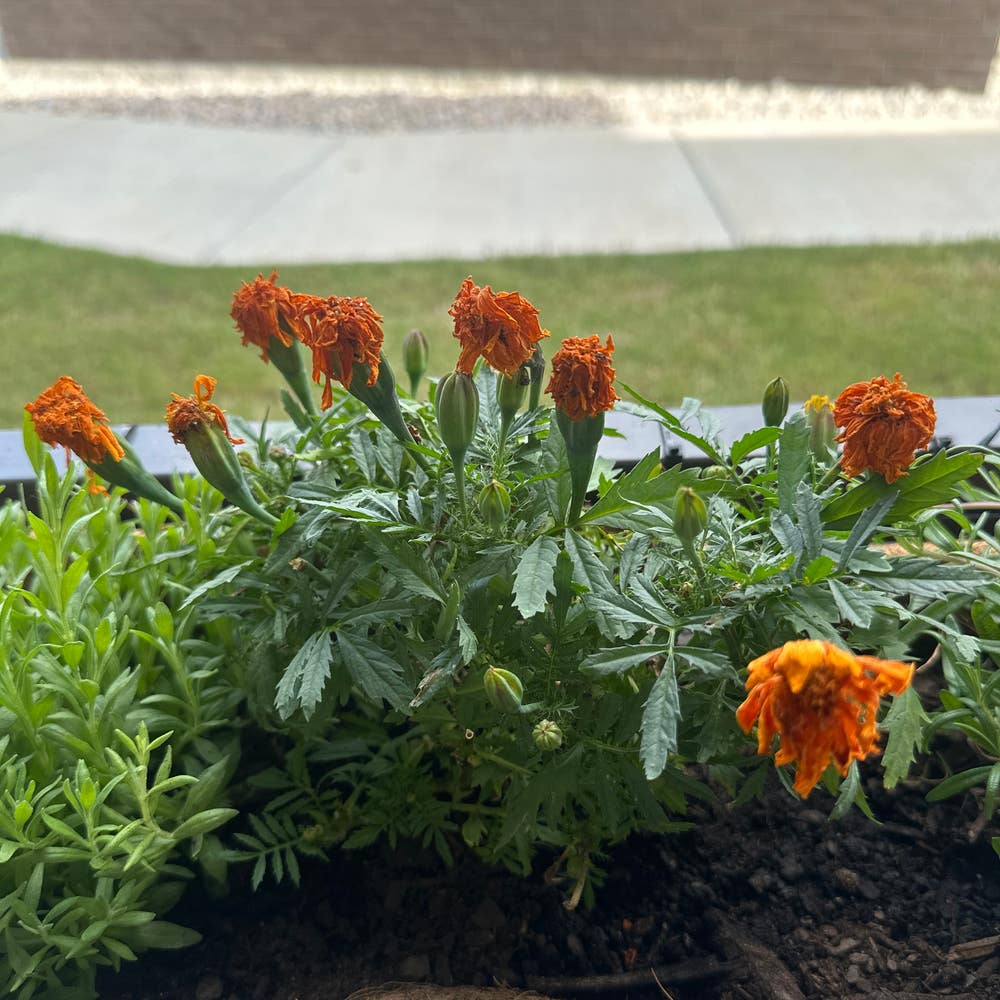
Temperature extremes can significantly impact your perennial marigolds. The ideal temperature range is between 60°F to 75°F (15°C to 24°C); anything outside this can lead to symptoms like wilting and yellowing leaves.
Humidity also plays a crucial role. Marigolds thrive in humidity levels of 40% to 60%. When humidity drops below this range, you may notice leaf drop and browning edges.
🏞️ Soil Conditions
Soil drainage is vital for healthy marigolds. Well-drained soil prevents root rot, while signs of poor drainage include water pooling and soggy soil.
Soil compaction can also harm your plants. Compacted soil reduces oxygen availability to roots, so aerating the soil can help improve drainage and root health.
🥦 Nutrient Deficiencies
A nitrogen deficiency can manifest as yellowing leaves and stunted growth. To remedy this, consider using high-nitrogen fertilizers.
Potassium deficiency is another concern, often resulting in leaf drop and browning edges. Potassium-rich fertilizers can effectively address this issue.
🐛 Pest Infestations
Common pests like aphids and spider mites can wreak havoc on your marigolds. Aphids cause curled leaves and sticky residue, while spider mites leave fine webbing and stippled leaves.
Controlling these pests can involve natural predators like ladybugs and lacewings, or chemical options such as insecticidal soap and neem oil.
🍄 Fungal Diseases
Powdery mildew is a fungal disease characterized by white, powdery spots on leaves. Good air circulation and proper spacing can help prevent this issue.
Root rot is another serious concern, often indicated by wilting and yellowing leaves despite adequate watering. To prevent root rot, avoid overwatering and ensure proper drainage.
Understanding these causes of leaf drop will empower you to take action. Next, we’ll explore how to diagnose these issues effectively.
Diagnosing Leaf Drop Issues
Identifying Symptoms 🌿
Yellowing leaves can signal nutrient deficiencies or overwatering. If you notice this, it’s time to investigate further.
Wilting leaves often indicate underwatering or environmental stress. Both issues can lead to significant leaf drop if not addressed promptly.
Assessing Soil Moisture Levels 💧
To check soil moisture, try the finger test: insert your finger 1-2 inches into the soil. If it feels dry, your marigold may need watering.
Alternatively, use a soil moisture meter for accurate readings. This tool can help you avoid the pitfalls of over or underwatering.
Checking for Pests and Diseases 🐛
Conduct a visual inspection of your marigolds. Look for pests on the undersides of leaves, as they often hide there.
Also, check for any signs of fungal growth on leaves and stems. Early detection is key to managing these issues effectively.
Evaluating Environmental Conditions ☀️
Ensure your marigolds receive full sun for 6-8 hours daily. Insufficient light can cause stretching and leaf drop.
Monitor temperature extremes, as both heat and cold can stress your plants. Keeping an eye on these conditions will help maintain healthy foliage.
By diagnosing these leaf drop issues early, you can take action to restore your marigolds to their vibrant best. Next, let’s explore treatment options to address these problems effectively.
Treatment Options for Leaf Drop
🌊 Adjusting Watering Practices
Watering is crucial for the health of your perennial marigolds. During hot, dry spells, increase your watering frequency to keep the soil moist.
Conversely, reduce watering during cooler, damp periods to prevent over-saturation, which can lead to root rot.
🌱 Applying Fertilizers
Fertilization plays a significant role in plant vitality. You can choose between organic options like compost or fish emulsion and synthetic granular fertilizers for a quick nutrient boost.
Organic fertilizers enrich the soil gradually, while synthetic options provide immediate results, making them suitable for urgent nutrient needs.
🐛 Treating Pests
Pest control is essential to prevent leaf drop. Applying insecticidal soap early in the morning or late in the evening minimizes harm to beneficial insects.
For persistent infestations, neem oil is effective; apply it every 7-14 days until you see improvements.
🦠 Managing Diseases
Addressing fungal diseases promptly is vital. Use fungicides at the first sign of symptoms to prevent further spread.
Additionally, consider rotating planting locations annually. This practice helps disrupt disease cycles and keeps your marigolds thriving.
By implementing these treatment options, you can effectively combat leaf drop and ensure your marigolds flourish. Next, let’s explore preventive measures to keep your plants healthy year-round.
Preventive Measures
Proper Watering Techniques 🌊
Watering your marigolds correctly is crucial for their health. Allow the soil to dry slightly between waterings to prevent root rot.
Consider using raised beds or amending your soil with perlite to enhance drainage. This simple adjustment can make a significant difference in your plants' resilience.
Fertilization Schedule 🌱
A balanced NPK fertilizer is recommended for optimal growth. Fertilize every 4-6 weeks during the growing season to ensure your marigolds receive the nutrients they need.
This regular feeding helps maintain vibrant foliage and encourages blooming.
Choosing Disease-Resistant Varieties 🦠
Opt for disease-resistant varieties like Tagetes patula and Tagetes erecta. These selections are less prone to common ailments, making your gardening experience smoother.
Always choose healthy plants at purchase to set a strong foundation for growth.
Implementing Pest Control Strategies 🐞
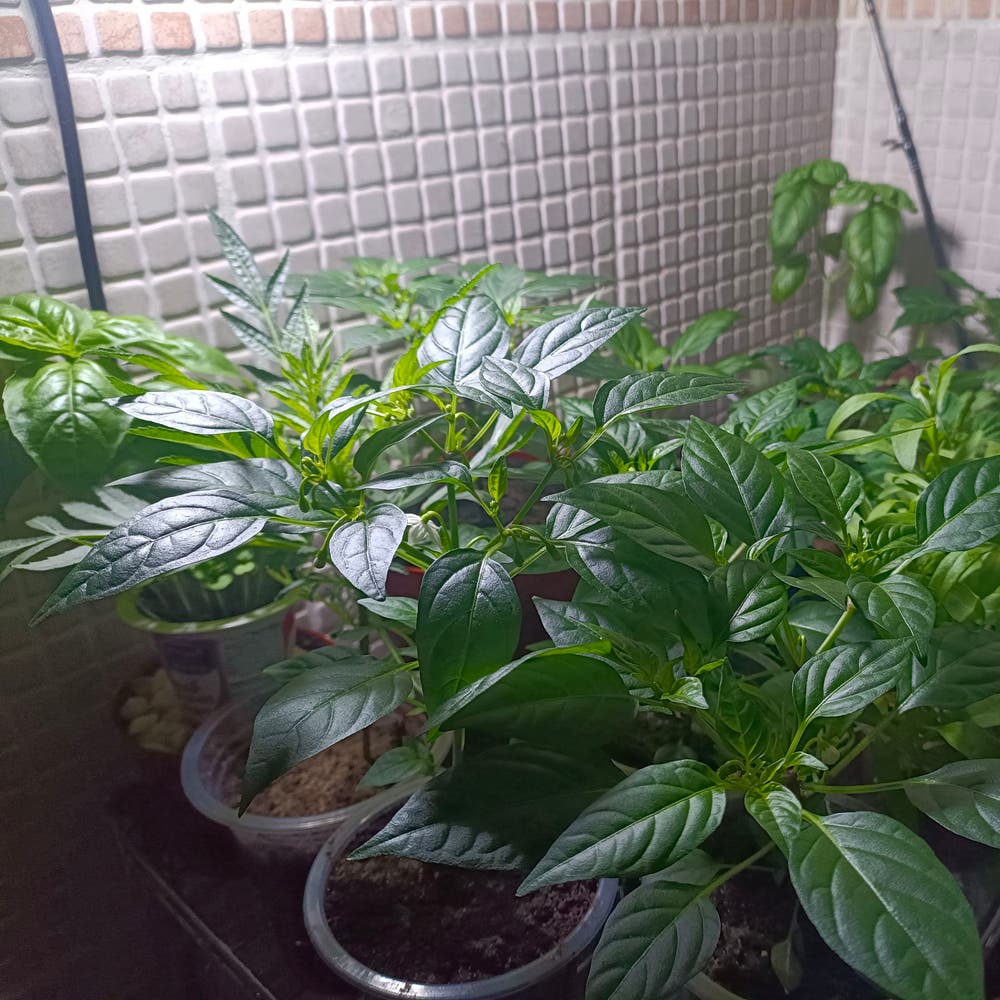
Natural pest control methods can be highly effective. Companion planting with herbs like basil can deter pests while enhancing your garden's biodiversity.
If necessary, chemical methods such as insecticidal soap and neem oil can be used. Apply these treatments as needed to keep your marigolds thriving.
By taking these preventive measures, you can significantly reduce the risk of leaf drop and ensure your perennial marigolds flourish. Next, let’s explore how to diagnose leaf drop issues effectively.
⚠️ Safety First
This content is for general information and may contain errors, omissions, or outdated details. It is not medical, veterinary advice, or an endorsement of therapeutic claims.
Always consult a qualified healthcare professional before using any plant as food, medicine, or supplement.
Never eat any plant (or feed one to pets) without confirming its identity with at least two trusted sources.
If you suspect poisoning, call Poison Control (800) 222-1222, the Pet Poison Helpline (800) 213-6680, or your local emergency service immediately.
Spotted an error? Please report it here.
Keep your perennial marigolds thriving 🌼 by using Greg's tailored watering alerts and pest control tips to prevent leaf drop and ensure a vibrant garden!