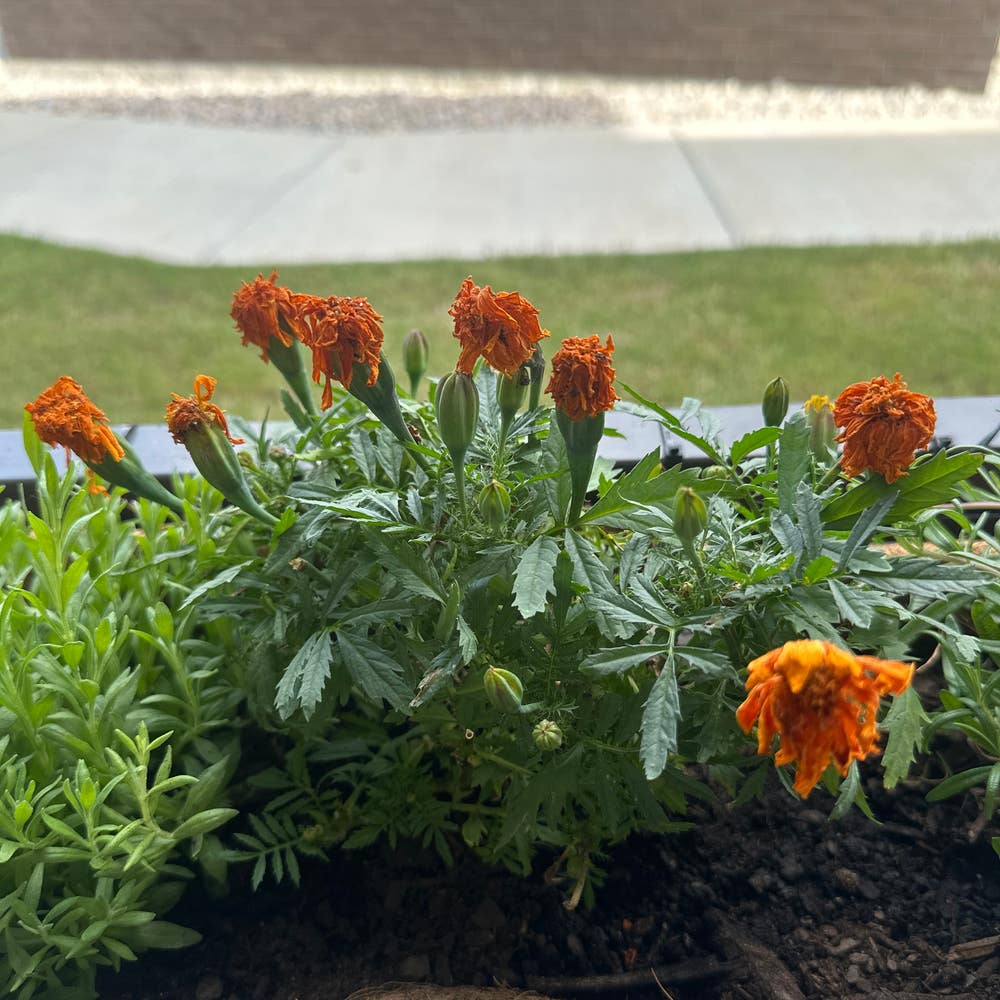
🌼 Perennial Marigold: Not an Annual
Tagetes lemmonii
By the Greg Editorial Team
Oct 16, 2024•5 min read
This article was created with the help of AI so we can cover more plants for you. May contain errors. See one? Report it here.
Transform your garden with vibrant perennial marigolds that bloom year-round, ensuring lasting beauty! 🌼
- 🌼 Perennial marigolds thrive for years, unlike annuals that last just one season.
- 🌱 Robust roots and thick leaves make them adaptable to various environments.
- 🐝 They attract pollinators, enhancing garden health and beauty throughout the seasons.
Perennial Marigold Characteristics
🌱 Genetic and Physiological Traits
Perennial marigolds are marvels of adaptation. Their genetic traits are finely tuned for long-term survival, allowing them to thrive in various environments.
The root system is robust and deep, which supports effective nutrient uptake and stability. This strong foundation is crucial for enduring harsh conditions.
The leaf structure is also designed for longevity. Thick, resilient leaves help the plant conserve water and withstand fluctuating temperatures.
⏳ Long-Term Lifecycle and Growth Patterns
One of the standout features of perennial marigolds is their lifecycle duration. They can survive multiple growing seasons, making them a staple in many gardens.
Their growth patterns include continuous growth interspersed with seasonal dormancy. This resilience enables them to bounce back even after tough winters.
🌼 Reproductive Strategies
Perennial marigolds are prolific bloomers. They produce multiple flowers throughout the growing season, ensuring a vibrant display.
Unlike true annuals, they generate seeds over several years. This ongoing seed production contributes to their sustainability in the garden.
Additionally, these plants attract pollinators consistently over time. Their ability to draw in bees and butterflies enhances the overall health of the garden ecosystem.
With a solid understanding of their characteristics, we can now explore how these traits compare to true annuals.
Lifecycle Comparison
Lifecycle of Perennial Marigold vs. True Annuals 🌼
Perennial marigolds boast an extended lifecycle, allowing them to thrive over multiple growing seasons. In contrast, true annuals complete their life cycle in just one season, leading to a quick turnover.
The growth phases of these plants also differ significantly. Perennial marigolds exhibit a more gradual vegetative phase, while annuals rush through their growth, focusing on rapid reproduction.
Growth, Flowering, and Seed Production Differences 🌸
One of the standout features of perennial marigolds is their flowering frequency. They bloom multiple times throughout the season, providing a continuous splash of color in your garden.
In terms of seed production, perennial marigolds are champions. They produce seeds over several years, unlike annuals, which typically generate seeds in a single season. This ongoing production enhances garden aesthetics, offering consistent blooms rather than the fleeting bursts seen with annuals.
Understanding these differences can help you make informed choices for your garden, ensuring a vibrant display year after year.
Misconceptions and Exceptions
🌱 Conditions Where Perennial Marigold May Be Treated as an Annual
Perennial marigolds can sometimes be misclassified as annuals due to extreme environmental conditions. In harsh climates, these resilient plants may struggle to survive, leading gardeners to treat them as short-lived annuals.
Improper care can also contribute to this misconception. Neglecting watering or failing to provide adequate nutrients can stunt their growth, making them appear less perennial and more like a fleeting annual.
🌍 Regional Variations Affecting Classification
Climate plays a significant role in how perennial marigolds thrive. In warmer regions, they may flourish year-round, while in cooler areas, they might only survive a single season.
Soil conditions further influence their classification. Variability in soil types can affect nutrient availability and drainage, impacting the plant's overall health and longevity. Understanding these factors is crucial for successful gardening with perennial marigolds.
As we explore garden design implications, consider how these misconceptions can shape your planting strategies.
Garden Design Implications
Advantages in Garden Design 🌼
Perennial marigolds offer a fantastic long-term investment for gardeners. Their cost-effectiveness shines through as they bloom year after year, reducing the need for constant replanting.
Aesthetic continuity is another significant benefit. With consistent blooms throughout the seasons, these flowers create a vibrant, cohesive look in your garden, enhancing its overall appeal.
Planning for Perennial Growth Cycles 📅
Incorporating perennial marigolds into your garden layout requires thoughtful design strategies. Consider grouping them with other perennials to create layers of color and texture.
Timing is crucial for planting and maintenance. Understanding their growth cycles helps ensure that your garden remains lively and well-maintained throughout the year.
By planning effectively, you can maximize the beauty and longevity of your garden, making it a true sanctuary of color and life.
Maximizing Longevity
🌼 Tips for Managing Perennial Marigold
Caring for perennial marigolds can be straightforward with the right practices. Here’s how to ensure they thrive year after year.
💧 Watering Practices
Establishing a consistent watering schedule is crucial for your marigolds. Aim for deep watering once a week, adjusting based on rainfall and temperature.
🌱 Fertilization
Perennial marigolds have specific nutrient needs for long-term health. Use a balanced fertilizer in early spring and again mid-season to support robust growth.
✂️ Pruning Techniques
Regular pruning encourages new growth and more blooms. Trim back spent flowers and any dead or damaged leaves to promote air circulation and vitality.
🐛 Pest Management
Preventative measures are key to managing common pest issues. Regularly inspect your plants and use organic pesticides if necessary to keep them healthy.
❄️ Seasonal Care
Adjust your care practices based on seasonal changes. In winter, reduce watering and consider mulching to protect roots from frost.
By following these tips, you can maximize the longevity of your perennial marigolds, ensuring they bring vibrant color to your garden for years to come. Next, let's explore the advantages of incorporating these beauties into your garden design.
⚠️ Safety First
This content is for general information and may contain errors, omissions, or outdated details. It is not medical, veterinary advice, or an endorsement of therapeutic claims.
Always consult a qualified healthcare professional before using any plant as food, medicine, or supplement.
Never eat any plant (or feed one to pets) without confirming its identity with at least two trusted sources.
If you suspect poisoning, call Poison Control (800) 222-1222, the Pet Poison Helpline (800) 213-6680, or your local emergency service immediately.
Spotted an error? Please report it here.
Unlock the enduring beauty of perennial marigolds 🌼 with Greg's tailored care tips and watering reminders, ensuring your garden flourishes season after season!