🌻 8 Quick Fixes for Marigold Bloom Problems
Tagetes lemmonii
By the Greg Editorial Team
Oct 16, 2024•5 min read
This article was created with the help of AI so we can cover more plants for you. May contain errors. See one? Report it here.
Unlock a stunning marigold display 🌼 with expert tips to boost blooms and keep your garden thriving!
- ☀️ Marigolds need 6-8 hours of sunlight daily for optimal blooming.
- 🌱 Nutrient deficiencies in nitrogen, phosphorus, and potassium hinder flower production.
- 💧 Consistent watering is crucial; both overwatering and underwatering affect blooms.
Failure to Bloom
🌞 Causes
Insufficient Light
Perennial marigolds thrive in full sun, requiring 6 to 8 hours of direct sunlight daily. If they’re shaded, their blooming potential diminishes significantly.
Nutrient Deficiency
Key nutrients like nitrogen, phosphorus, and potassium are vital for vibrant blooms. Signs of deficiency include yellowing leaves and stunted growth, indicating your plants may need a nutrient boost.
Improper Watering
Watering practices play a crucial role in blooming. Overwatering can lead to root rot, while underwatering stresses the plants, both of which hinder flower production.
🌱 Solutions
Adjusting Light Exposure (difficulty: easy)
To enhance blooming, consider relocating your marigolds to sunnier spots. Reflective surfaces can also help maximize light exposure.
Fertilization Tips (difficulty: moderate)
Applying balanced fertilizers rich in essential nutrients is key. Aim for early spring and mid-summer applications to support robust growth and flowering.
Watering Techniques (difficulty: easy)
Establish a consistent watering schedule to keep your plants healthy. Ensure the soil drains well to prevent waterlogging, which can suffocate roots.
With these adjustments, your marigolds should flourish, setting the stage for vibrant blooms. Next, let’s explore the issue of premature flower drop and how to tackle it effectively.
Premature Flower Drop
🌡️ Causes
Environmental Stress
Premature flower drop in perennial marigolds often stems from environmental stress. Temperature fluctuations and extreme weather can shock the plants, while inconsistent soil moisture levels can further compromise their health.
Pest Infestations
Pests like aphids and spider mites are notorious for causing flower drop. Look for signs such as distorted leaves or visible insects to catch infestations early.
Overwatering
Overwatering can lead to wilting, even when the soil appears moist. This condition deteriorates root health, making it difficult for the plant to sustain blooms.
🛠️ Solutions
Identifying Pests
Regular inspections are crucial for early pest detection. If you spot any pests, using insecticidal soap or neem oil can help control the situation effectively.
Adjusting Watering Schedule
Monitoring soil moisture before watering is essential. Consider implementing a drip irrigation system for consistent moisture levels that prevent stress.
Improving Air Circulation
Enhancing air circulation can significantly reduce humidity around your plants. Space them adequately and prune surrounding foliage to promote airflow and keep your marigolds thriving.
By addressing these causes and implementing the solutions, you can help your marigolds maintain their blooms and flourish. Next, let’s explore how to manage abnormal flower development for even healthier plants.
Abnormal Flower Development
🌱 Causes
Genetic Factors
Abnormal flower development can often stem from genetic variability among different marigold varieties. Some plants may simply have traits that lead to less desirable blooming patterns.
Nutrient Imbalance
An excess of nitrogen can cause marigolds to grow lush foliage at the expense of blooms. This imbalance can leave your garden looking green but lacking in vibrant flowers.
Disease
Diseases like powdery mildew and root rot can severely impact flower quality. These issues can lead to stunted growth and poor blooming, making it crucial to monitor plant health.
💡 Solutions
Selecting Healthy Plants
Choosing disease-resistant varieties is a smart move when purchasing marigolds. Always inspect plants for signs of stress before bringing them home to ensure a healthy start.
Soil Testing
Conducting soil tests can reveal nutrient levels and imbalances. Amending your soil based on these results can help achieve the right balance for optimal blooming.
Disease Management
Implementing crop rotation and maintaining proper sanitation practices can prevent disease outbreaks. If problems persist, consider using fungicides as a last resort to protect your marigolds.
By addressing these causes and implementing effective solutions, you can enhance the blooming potential of your perennial marigolds. Next, let’s explore the nutritional needs essential for vibrant flowers.
Nutritional Needs for Blooming
Essential Nutrients for Flowering 🌼
Perennial marigolds thrive on three key nutrients: nitrogen, phosphorus, and potassium. Each plays a vital role in flower development, with nitrogen promoting lush foliage, phosphorus enhancing root and flower growth, and potassium supporting overall plant health.
Signs of nutrient deficiency can be quite telling. Look out for yellowing leaves, poor growth, and reduced flowering, which indicate that your marigolds might need a nutrient boost.
Fertilization Strategies 🌱
When it comes to fertilizers, balanced NPK options like 10-10-10 are ideal for perennial marigolds. These fertilizers provide a well-rounded supply of essential nutrients, ensuring your plants have what they need to flourish.
Timing is crucial for effective fertilization. Apply your chosen fertilizer in early spring to kickstart growth, and consider a mid-summer boost to sustain blooming throughout the season.
By understanding and addressing the nutritional needs of your marigolds, you can enjoy vibrant blooms and a thriving garden. Next, let’s explore pruning techniques that can further enhance your marigold’s flowering potential.
Pruning Techniques for Better Blooms
🌱 When to Prune
Timing is crucial for achieving optimal flowering in your perennial marigolds. Prune in early spring to shape the plants and remove any dead material, setting the stage for a vibrant growing season.
After the blooms have faded, consider post-bloom pruning. This encourages new growth and can lead to a second round of flowers, keeping your garden lively.
✂️ Pruning Methods
To promote bushiness and fuller plants, pinch back the tips of your marigolds. This simple technique encourages branching, resulting in more blooms.
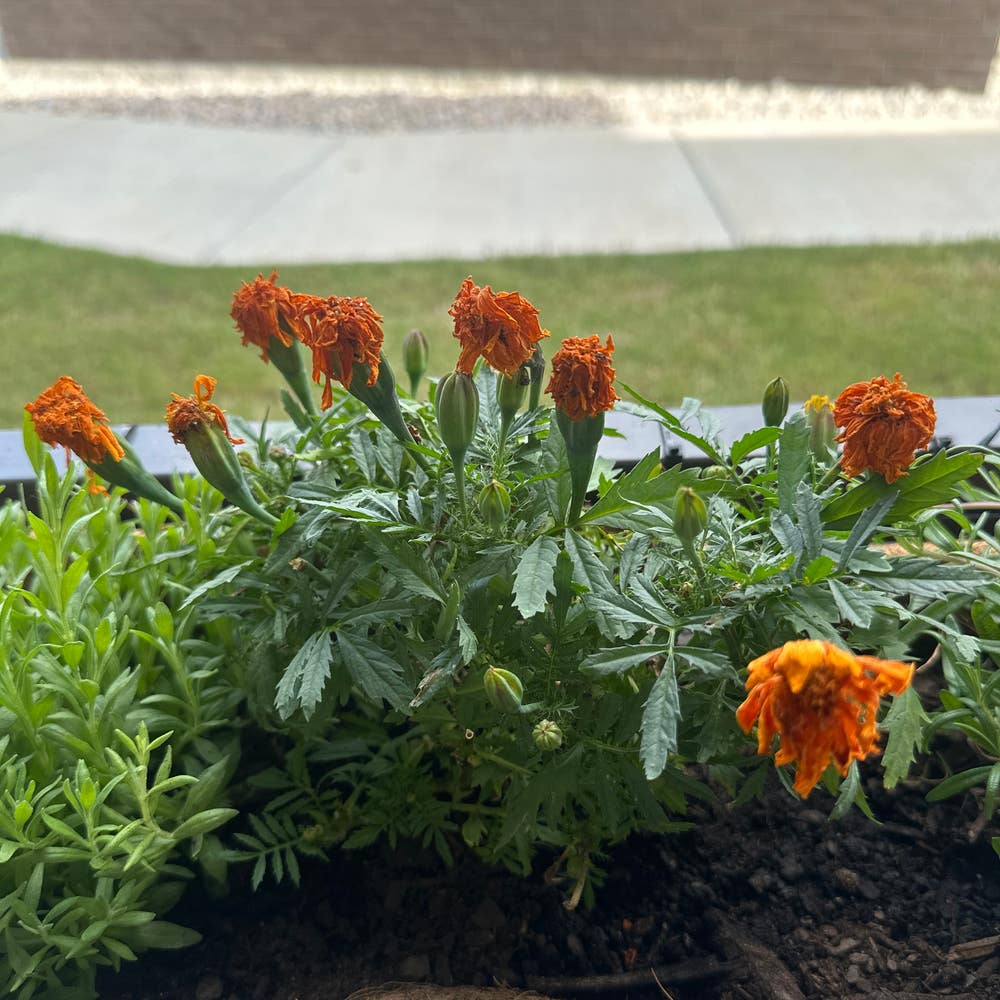
Deadheading, or removing spent flowers, is essential for extending bloom time. It prevents the plant from putting energy into seed production, allowing it to focus on producing more flowers.
How to Remove Spent Flowers Effectively
Always use clean, sharp tools when deadheading to prevent the spread of disease. This small step can make a big difference in the health of your plants.
Timing your deadheading is also important. Early morning is ideal, as it minimizes stress on the plants and allows them to recover quickly.
With these pruning techniques, your marigolds will thrive and bloom beautifully. Next, let’s explore the nutritional needs essential for supporting those stunning flowers.
⚠️ Safety First
This content is for general information and may contain errors, omissions, or outdated details. It is not medical, veterinary advice, or an endorsement of therapeutic claims.
Always consult a qualified healthcare professional before using any plant as food, medicine, or supplement.
Never eat any plant (or feed one to pets) without confirming its identity with at least two trusted sources.
If you suspect poisoning, call Poison Control (800) 222-1222, the Pet Poison Helpline (800) 213-6680, or your local emergency service immediately.
Spotted an error? Please report it here.
Transform your marigolds into blooming beauties 🌼 with Greg's tailored care tips and reminders that ensure they get the sunlight, nutrients, and attention they crave!