☀️ Common Perennial Marigold Problems and Solutions
Tagetes lemmonii
By the Greg Editorial Team
Oct 16, 2024•5 min read
This article was created with the help of AI so we can cover more plants for you. May contain errors. See one? Report it here.
Revive your marigolds 🌼 by spotting distress signs early and ensuring vibrant blooms all season long! 🌱
- 🌼 Recognize unhealthy marigolds by checking for wilting or discoloration for timely care.
- 💧 Prevent yellow leaves by ensuring well-draining soil and proper watering techniques.
- ☀️ Provide 6-8 hours of sunlight daily to avoid leggy growth and sparse leaves.
Signs of an Unhealthy Plant
Symptoms 🌱
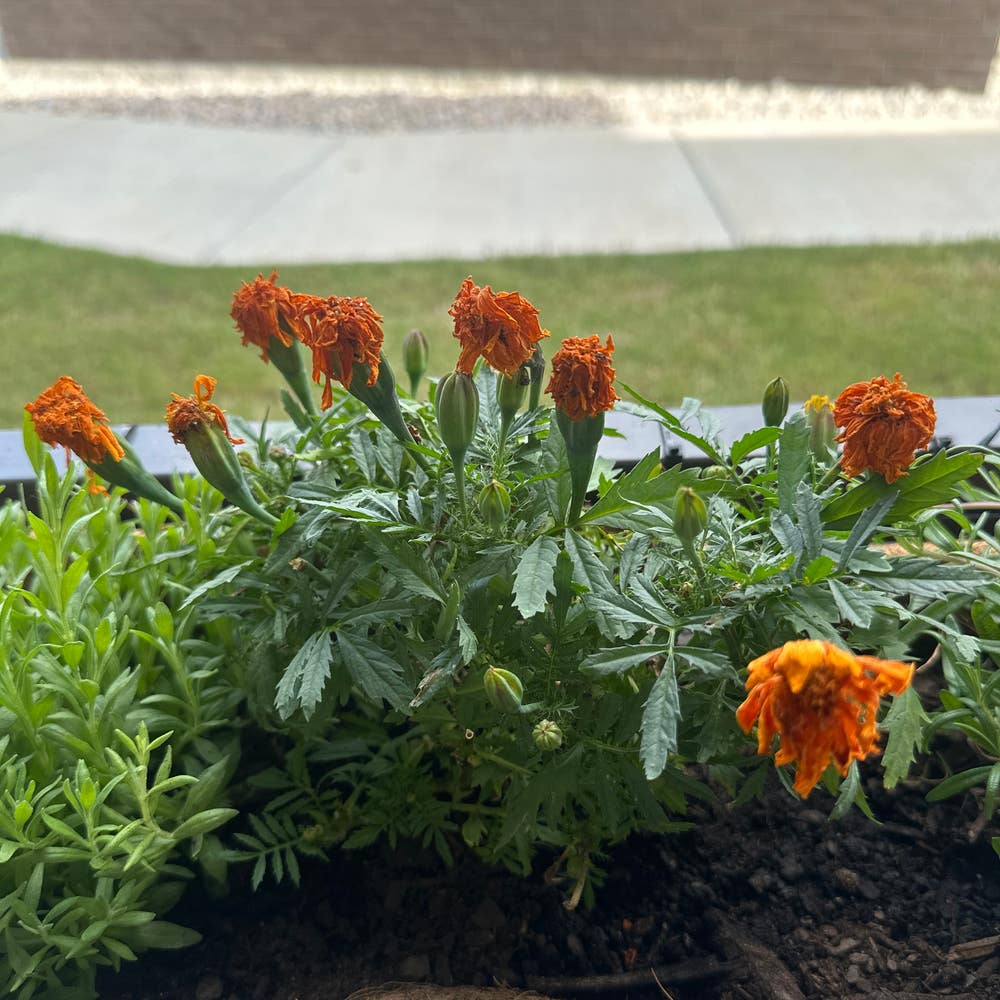
Recognizing the signs of an unhealthy perennial marigold is crucial for timely intervention. Look out for wilting or drooping leaves, which can indicate stress or improper care.
Discoloration is another red flag. Yellowing or browning leaves often signal nutrient deficiencies or environmental issues.
Stunted growth or a lack of flowering can also point to underlying problems. If your marigold isn't thriving, it may need a change in care.
Lastly, keep an eye out for pests or fungal growth. Their presence can quickly escalate into larger issues if not addressed promptly.
By being vigilant about these symptoms, you can help ensure your marigold remains vibrant and healthy. Next, let’s dive into common problems specific to perennial marigolds.
Common Problems Specific to Perennial Marigold
💧 Incorrect Watering
Symptoms of Overwatering
Overwatering can lead to yellowing leaves and stems. You might notice wilting even when the soil feels wet, which is a sign of root rot—look for squishy, dark roots.
Symptoms of Underwatering
On the flip side, underwatering results in dry, crispy leaves. If you see wilting and the soil pulling away from the pot edges, it’s time to take action.
Causes and Solutions
To combat overwatering, ensure your marigolds are in well-draining soil and let the top inch dry out before watering again. For underwatering, water deeply when the top inch is dry; consider using the Greg plant care app for timely reminders.
☀️ Incorrect Light Conditions
Symptoms of Insufficient Light
If your marigolds are leggy with elongated stems and sparse leaves, they’re not getting enough light. You may also notice slow growth or a lack of flowering.
Symptoms of Too Much Light
Conversely, too much light can scorch leaves, leading to brown edges or tips. Fading flower colors are another indicator of excessive sunlight.
Causes and Solutions
For insufficient light, move your marigolds to a spot with full sun for at least 6-8 hours daily. If they’re getting too much light, provide partial shade during peak sunlight hours.
🌡️ Incorrect Temperature
Symptoms of Temperature Stress
Temperature stress manifests as wilting or drooping leaves and leaf drop or discoloration.
Causes and Solutions
Marigolds thrive in temperatures ranging from 60°F to 75°F (15°C to 24°C). Protect them from extreme heat or cold by using row covers during temperature fluctuations.
🐛 Pests
Common Pests
Watch out for common pests like aphids, spider mites, and whiteflies.
Identification and Treatment
Aphids are small, green insects found on new growth; treat them with insecticidal soap. Spider mites leave fine webbing on leaves, so increase humidity and use miticides. For whiteflies, tiny white insects on leaf undersides, yellow sticky traps and insecticidal soap work wonders.
🦠 Diseases
Powdery Mildew
Look for white, powdery spots on leaves—this thrives in humid conditions. Remove affected leaves, improve air circulation, and apply fungicides for treatment.
Rust
Rust appears as orange or brown pustules on leaves, often due to high humidity. Remove infected leaves and apply rust treatment fungicides.
Black Rot
This disease shows dark, sunken lesions on stems and leaves, typically caused by overwatering. Improve drainage, avoid overhead watering, and apply fungicides.
Blight
Rapid wilting and browning of leaves often indicate blight, linked to poor air circulation. Remove affected parts, improve spacing, and apply fungicides.
🌱 Root Problems
Symptoms of Root Rot
If your marigolds are wilting despite adequate watering, check for root rot by inspecting for squishy, dark roots.
Causes and Solutions
Root rot often stems from overwatering and poor drainage. Ensure pots have drainage holes and use well-draining soil. Allow the soil to dry out between waterings, and consider repotting if damage is severe.
🍃 Leaf Issues
Symptoms of Scorching
Brown, crispy leaf edges and curling or drooping leaves signal scorching.
Symptoms of Yellowing
General yellowing of leaves, often starting from the bottom, indicates stress.
Symptoms of Fuzzy Growth
White, fuzzy patches on leaves or stems suggest powdery mildew.
Causes and Solutions
To prevent scorching, provide partial shade during peak sun and ensure adequate watering. For yellowing, check for nutrient deficiencies and fertilize with a balanced NPK fertilizer. Treat fuzzy growth by improving air circulation and addressing powdery mildew.
🌿 Growth Problems
Symptoms of Not Growing
Stunted growth or no new leaves can be frustrating.
Symptoms of Not Fruiting
If you notice a lack of flower buds or blooms, your marigolds may need attention.
Symptoms of Leaning or Leggy Growth
Stems bending towards light and sparse foliage indicate a need for support.
Causes and Solutions
For stunted growth, check for nutrient deficiencies and ensure proper watering. If your marigolds aren’t fruiting, ensure they have adequate light and temperature; pruning can also encourage growth. For leaning or leggy growth, provide support and rotate the plant for even light exposure.
By addressing these common problems, you can keep your perennial marigolds healthy and vibrant. Next, let’s explore preventive measures to ensure your plants thrive year-round.
Preventive Measures
Best Practices for Watering 🌊
Watering your perennial marigolds deeply but infrequently is key. Using the Greg plant care app can help you stay on track with reminders.
Optimal Light Conditions ☀️
Ensure your marigolds receive at least 6-8 hours of full sun daily. If they’re not thriving, consider adjusting their location for optimal light exposure.
Temperature Management 🌡️
Keep an eye on temperature fluctuations. Protect your plants from extreme heat or cold to maintain their health.
Regular Pest Inspections 🐛
Make it a habit to inspect your plants weekly for any signs of pests. Quick action can prevent infestations from becoming a bigger problem.
Disease Prevention Strategies 🦠
Good air circulation is crucial for disease prevention. Avoid overhead watering and consider using resistant varieties to keep your marigolds thriving.
By implementing these preventive measures, you can create a healthy environment for your perennial marigolds. This proactive approach will help you enjoy vibrant blooms and lush foliage all season long.
⚠️ Safety First
This content is for general information and may contain errors, omissions, or outdated details. It is not medical, veterinary advice, or an endorsement of therapeutic claims.
Always consult a qualified healthcare professional before using any plant as food, medicine, or supplement.
Never eat any plant (or feed one to pets) without confirming its identity with at least two trusted sources.
If you suspect poisoning, call Poison Control (800) 222-1222, the Pet Poison Helpline (800) 213-6680, or your local emergency service immediately.
Spotted an error? Please report it here.
Keep your perennial marigolds thriving 🌼 by recognizing their needs and using Greg's tailored watering and light tips to ensure they flourish all season long!