🌻 How Big Your Perennial Marigold Can Get
Tagetes lemmonii
By the Greg Editorial Team
Oct 16, 2024•5 min read
This article was created with the help of AI so we can cover more plants for you. May contain errors. See one? Report it here.
Transform your garden with vibrant marigolds 🌼 by mastering their growth size and care for stunning blooms! 🌱
- 🌼 Perennial marigolds grow 12-36 inches tall; size varies by conditions.
- ☀️💧 Optimal sunlight and moisture are crucial for maximum growth potential.
- ✂️ Regular pruning every 4-6 weeks promotes healthy size and shape.
Mature Height and Spread
Typical Dimensions 🌱
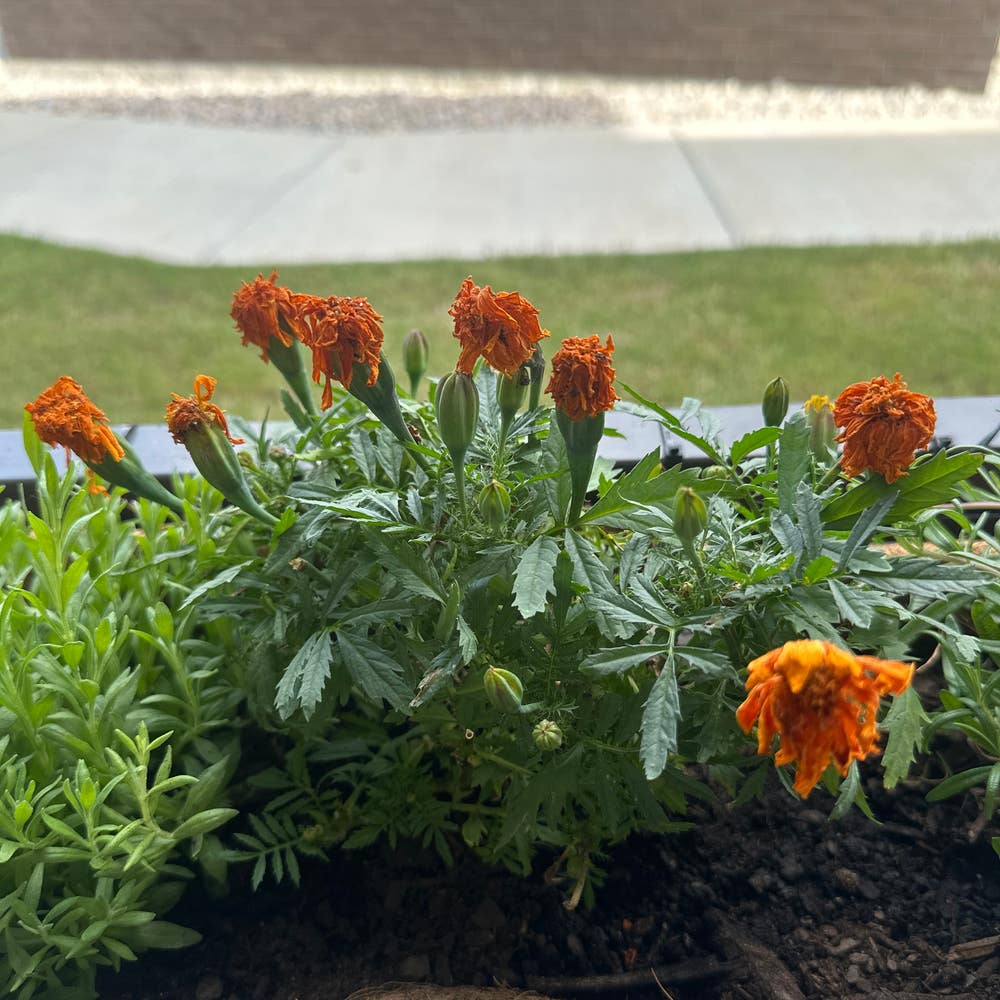
Perennial marigolds can vary significantly in size, with mature heights ranging from 12 to 36 inches. The spread typically spans 12 to 24 inches, making them versatile for various garden settings.
Factors Affecting Size 📏
Several factors can influence the final dimensions of your marigolds. Growth conditions, including soil quality, sunlight exposure, and water availability, play a crucial role in determining how tall and wide these plants will grow.
Seasonal growth patterns also impact size. During warmer months, you may notice more vigorous growth, while cooler seasons can slow down development, affecting overall dimensions.
Understanding these factors can help you create the ideal environment for your marigolds, ensuring they reach their full potential.
As you plan your garden, keep these insights in mind to optimize your perennial marigold's growth and spread.
Growth Rate and Time to Full Size
Growth Rate 🌱
Most perennial marigold varieties boast a moderate growth rate. Typically, you can expect them to reach maturity within 2 to 3 months.
Time to Full Size ⏳
Under optimal conditions, these vibrant plants usually take about 3 to 4 months to reach their full size. However, keep in mind that seasonal variations can slow growth, especially during cooler months or drought conditions.
Understanding these timelines can help you plan your garden effectively, ensuring you enjoy the full beauty of your marigolds when the time is right.
Size Variability Based on Conditions
🌱 Soil Impact on Size
Well-drained soils are crucial for the optimal growth of perennial marigolds. If the soil retains too much water, it can stunt growth and lead to unhealthy plants.
Nutrient-rich soils also play a significant role in promoting larger plants. The more nutrients available, the more robust and vibrant your marigolds will be.
☀️ Sunlight and Water Requirements
Full sun exposure, ideally 6-8 hours daily, is essential for maximum growth. Without adequate sunlight, your marigolds may not reach their full potential.
Consistent moisture is another key factor. Drought stress can severely limit the size of your plants, so ensure they receive regular watering.
🌡️ Climate Effects on Growth
Temperature significantly influences growth rates. Warmer climates generally lead to faster growth and larger sizes, making them ideal for marigold cultivation.
Moderate humidity levels can enhance growth rates as well. Too much or too little humidity can hinder development, so finding the right balance is essential for thriving marigolds.
Understanding these factors can help you create the perfect environment for your perennial marigolds. With the right conditions, you can enjoy a vibrant display of blooms that truly flourish.
Varieties and Their Characteristics
🌱 Dwarf Varieties
Dwarf perennial marigolds typically reach heights of 12 to 18 inches. Their compact growth makes them perfect for smaller garden spaces or containers, allowing you to enjoy vibrant blooms without taking up too much room.
These varieties are not just space-savers; they also offer a delightful burst of color. Their manageable size means you can easily incorporate them into your garden design, adding charm without overwhelming your layout.
🌼 Giant Varieties
On the other end of the spectrum, giant perennial marigolds can grow up to 36 inches tall. These impressive plants feature larger blooms and foliage, making them ideal for back-of-the-border planting where they can stand tall and proud.
Their size and striking appearance can create a stunning focal point in your garden. If you're looking to make a statement, these giants are sure to draw attention and admiration.
🔍 Choosing the Right Variety
When selecting between dwarf and giant varieties, consider your garden's space and aesthetic. Dwarf marigolds are fantastic for filling in gaps or adding color to patios, while giant varieties can serve as bold backdrops in larger landscapes.
Understanding these characteristics helps you make informed choices that align with your gardening goals. Whether you opt for the compact charm of dwarfs or the grandeur of giants, both types can enhance your garden's beauty.
As you explore these varieties, keep in mind how they fit into your overall garden design. The right choice can elevate your outdoor space, making it a vibrant haven for both you and your visitors.
Next, let’s dive into how you can control the size of your marigolds through effective pruning techniques.
Controlling Size Through Pruning
🌿 Pruning Techniques
Pruning is a powerful tool for controlling the size of your perennial marigolds. One effective method is pinching back, where you remove the tips of the stems. This encourages bushier growth, making your plants fuller and more vibrant.
Another technique is selective pruning. By targeting specific branches, you can manage both height and spread. This method allows you to shape your marigolds to fit your garden's aesthetic perfectly.
⏰ Timing and Frequency of Pruning
Timing is crucial for successful pruning. The best time to prune your marigolds is in early spring or late fall, just before they enter dormancy. This ensures that your plants can recover quickly and thrive in the growing season.
As for frequency, aim to prune every 4-6 weeks during the growing season. This regular maintenance helps maintain your desired size and encourages healthy growth. Keeping a consistent schedule will reward you with lush, well-shaped marigolds throughout the season.
With the right pruning techniques and timing, you can effectively control the size of your perennial marigolds. This not only enhances their appearance but also promotes overall health and vitality.
Next, let’s explore some common misconceptions about the size of these vibrant plants.
Common Misconceptions About Size
Myths Regarding Growth Expectations 🌱
One common misconception is that all Perennial Marigolds will reach their maximum height. In reality, the actual size can vary significantly based on the specific growing conditions.
Clarifying Size Variability 🌍
Environmental factors play a crucial role in determining the final size of your marigolds. Soil quality, sunlight exposure, and water availability are key elements that can either enhance or limit growth.
⚠️ Safety First
This content is for general information and may contain errors, omissions, or outdated details. It is not medical, veterinary advice, or an endorsement of therapeutic claims.
Always consult a qualified healthcare professional before using any plant as food, medicine, or supplement.
Never eat any plant (or feed one to pets) without confirming its identity with at least two trusted sources.
If you suspect poisoning, call Poison Control (800) 222-1222, the Pet Poison Helpline (800) 213-6680, or your local emergency service immediately.
Spotted an error? Please report it here.
Unlock the full potential of your marigolds 🌼 with Greg's tailored care reminders and tips, ensuring your garden bursts with vibrant blooms all season long!