🌻 5 Tips for Blooming Your Marigold
Tagetes lemmonii
By the Greg Editorial Team
Oct 16, 2024•5 min read
This article was created with the help of AI so we can cover more plants for you. May contain errors. See one? Report it here.
Cultivate vibrant Perennial Marigolds 🌼 that bloom beautifully and thrive in your garden for years to come!
- 🌼 Perennial Marigolds bloom vibrantly in yellow, orange, and red, enhancing any garden.
- 🌞 Optimal sunlight (6-8 hours) is key for encouraging blooming and vibrant flowers.
- 💧 Consistent watering and well-draining soil are essential for healthy growth and blooms.
Flowering Status
Clarification on Flowering 🌼
Perennial Marigold is a vibrant flowering plant celebrated for its stunning ornamental blooms. These flowers not only add color to gardens but also bring joy to anyone who encounters them.
With their bright hues and unique structures, Perennial Marigolds are a favorite among gardeners. Their ability to bloom year after year makes them a reliable choice for adding beauty to any landscape.
Flower Characteristics
Description of Colors and Structure 🌈
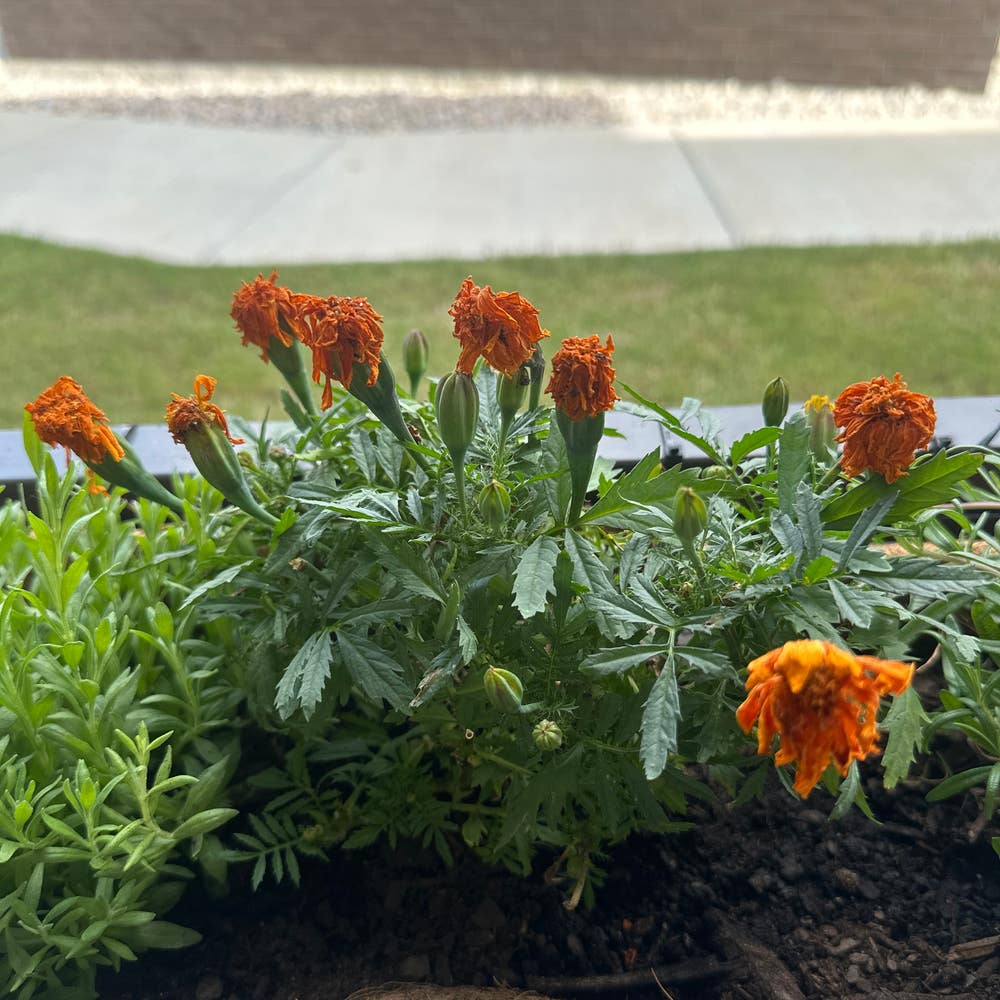
Perennial Marigold dazzles with vibrant shades of yellow, orange, and red. These colors create a stunning display that can brighten any garden.
The flowers grow in spikes, showcasing multiple blooms that create a lush appearance. Each bloom features a unique petal arrangement, varying in size and shape depending on the specific variety.
Pollination 🐝
One of the remarkable traits of Perennial Marigold is its ability to self-pollinate. This means it can produce seeds without needing external pollinators, making it a resilient choice for gardeners.
Self-pollination occurs when the flower's pollen fertilizes its own ovules. This process not only ensures seed production but also enhances the plant's adaptability in various environments.
By understanding these characteristics, you can appreciate the beauty and resilience of Perennial Marigold even more. Next, let’s explore the blooming process and how to encourage those vibrant flowers to flourish.
Blooming Process
🌱 Outline of Blooming Stages
The blooming process of Perennial Marigold begins with bud formation, where small green buds emerge, signaling the start of bloom development. As these buds mature, they transition into vibrant flowers, showcasing the plant's stunning colors.
When the flowers reach full bloom, they reveal their striking appearance. Expect to see clusters of bright yellow, orange, or red petals, creating a lively display that can brighten any garden.
⏳ Typical Bloom Time and Duration
Perennial Marigolds typically bloom from late spring to early summer. This is the prime time when your garden bursts into color, making it a delightful season for flower enthusiasts.
The duration from bud formation to full bloom is approximately 2-4 weeks. This relatively quick transition allows you to enjoy the beauty of these flowers in no time.
🌼 Lifespan of Flowers
Once in bloom, the flowers generally last about 2-3 weeks. This lifespan can vary based on environmental conditions and care practices.
Several factors can influence how long the blooms last, including temperature, humidity, and watering habits. Ensuring optimal conditions can help extend the life of your vibrant marigolds.
With a solid understanding of the blooming process, you're now equipped to encourage those beautiful blooms in your garden. Next, let’s explore some effective tips for promoting even more flowering in your Perennial Marigold.
Encouraging Blooms
Tips for Encouraging Blooms 🌼
To get your Perennial Marigold blooming beautifully, start with optimal sunlight exposure. Aim for full sun, providing 6-8 hours of direct light daily.
Next, focus on soil conditions. Ensure it’s well-draining and fertile to support healthy growth.
Watering practices are crucial as well. Keep the soil consistently moist, but avoid waterlogging to prevent root rot.
Factors Influencing Flowering 🌸
Nutrient requirements play a significant role in blooming. A balanced fertilization routine will help your plants thrive and produce vibrant flowers.
Seasonal changes also impact flowering. Temperature and light variations can either encourage or hinder blooming, so keep an eye on the weather.
By following these tips and understanding the factors at play, you can create an environment where your Perennial Marigold flourishes. With the right care, you'll enjoy a stunning display of blooms throughout the growing season.
Next, let’s explore what happens after flowering and how to maintain your plant for continued growth.
Post-Flowering Care
What Happens After Flowering 🌼
Once your Perennial Marigold has finished blooming, it enters a transition phase. During this time, the plant focuses on producing foliage rather than flowers.
To encourage healthy growth, regular maintenance is key. Pruning spent blooms can stimulate new growth and keep the plant looking tidy. Additionally, removing any dead or yellowing leaves helps the plant redirect energy to healthier parts.
Clarification on Plant Lifespan 🌱
It's a common misconception that Perennial Marigolds die after flowering. In reality, these resilient plants can thrive long after their blooms fade.
With proper care, they will continue to produce lush foliage. This longevity makes them a fantastic addition to any garden, providing beauty beyond just the blooming season.
Unique Aspects
🌼 Unusual Characteristics
Perennial Marigolds are not just your average garden flowers; they boast vibrant, multi-layered blooms that can brighten any landscape. Their unique ability to thrive in various soil types, as long as it’s well-draining, makes them a favorite among gardeners.
These plants can also exhibit a fascinating range of growth habits. Some varieties may grow upright, while others spread out, creating a lush, colorful carpet of blooms. This adaptability enhances their appeal, allowing them to fit into diverse garden designs.
🤔 Trivia About Reproductive Strategies
Did you know that Perennial Marigolds are self-pollinating? This means they can produce seeds without needing bees or other pollinators, making them incredibly resilient.
Self-pollination occurs when the flower's male parts fertilize the female parts within the same bloom. This strategy not only ensures seed production but also contributes to the plant's overall hardiness, allowing it to thrive in various conditions.
Understanding how flowering fits into the life cycle of Perennial Marigolds can deepen your appreciation for these plants. After blooming, they continue to grow and produce foliage, ensuring that your garden remains vibrant long after the flowers fade.
As you explore the unique aspects of Perennial Marigolds, you'll find that their charm goes beyond their beauty, making them a delightful addition to any garden.
⚠️ Safety First
This content is for general information and may contain errors, omissions, or outdated details. It is not medical, veterinary advice, or an endorsement of therapeutic claims.
Always consult a qualified healthcare professional before using any plant as food, medicine, or supplement.
Never eat any plant (or feed one to pets) without confirming its identity with at least two trusted sources.
If you suspect poisoning, call Poison Control (800) 222-1222, the Pet Poison Helpline (800) 213-6680, or your local emergency service immediately.
Spotted an error? Please report it here.
Transform your garden into a vibrant paradise with Perennial Marigolds by using Greg's tailored care reminders to keep your blooms thriving all season long 🌼!