Copper Canyon Daisy: A Comprehensive Overview 🌼
Tagetes lemmonii
By the Greg Editorial Team
Jan 25, 2025•7 min read
This article was created with the help of AI so we can cover more plants for you. May contain errors. See one? Report it here.
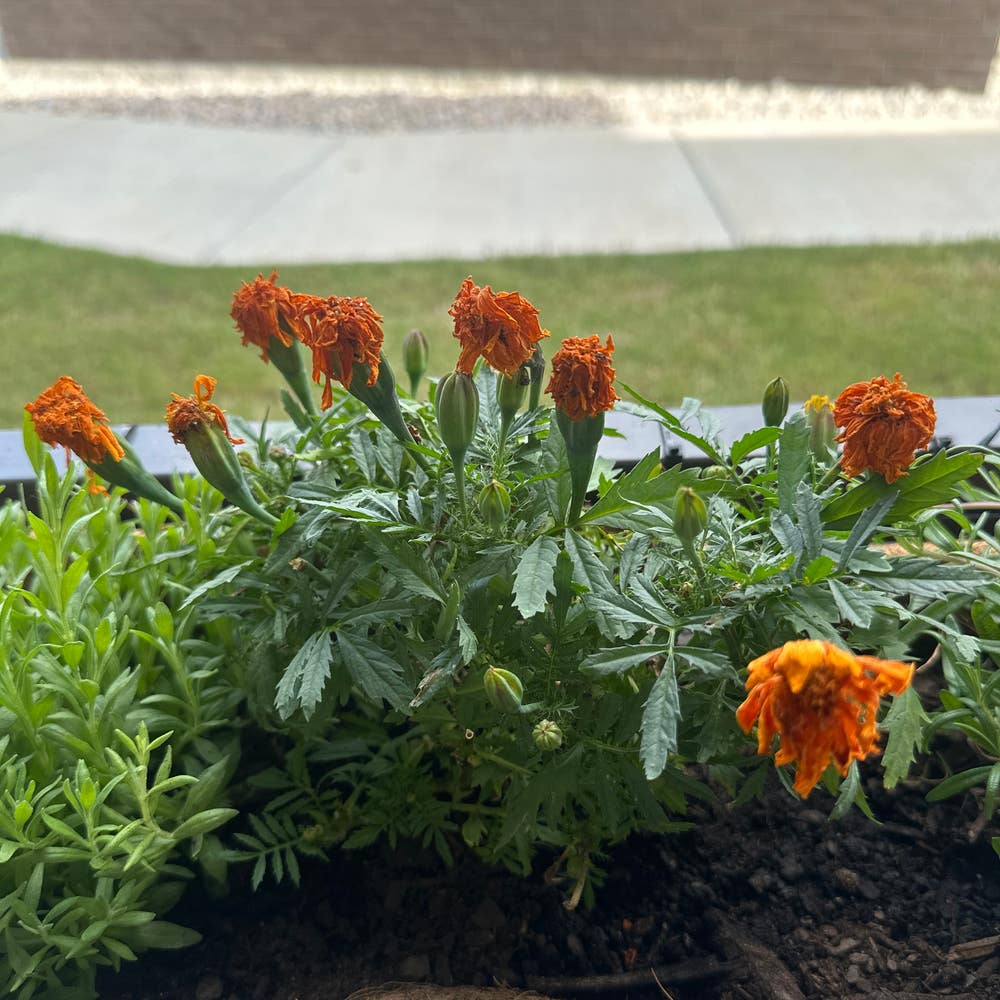
Elevate your garden with the stunning Copper Canyon Daisy 🌼—a low-maintenance beauty that attracts pollinators and thrives effortlessly!
- 🌱 Easily propagate Copper Canyon Daisy from seeds or cuttings for vibrant blooms.
- 🌼 Drought-tolerant and low-maintenance, it's perfect for busy gardeners and xeriscaping.
- 🐝 Attracts pollinators like bees and butterflies, enhancing your garden's ecosystem.
Propagation
🌱 Seed Propagation (difficulty: easy)
To start your Copper Canyon Daisy from seeds, timing is crucial. Sow them in spring, right after the last frost, for the best results.
Germination typically takes 7-14 days at a warm temperature of 70°F (21°C). Once your seedlings develop 2-3 sets of true leaves, it's time to transplant them outdoors.
✂️ Cutting Propagation (difficulty: moderate)
If you prefer propagation through cuttings, select healthy stems that are 4-6 inches long. This method allows for quicker growth and can be quite rewarding.
For the rooting medium, use a mix of peat and perlite to create an ideal environment. Expect rooting to take about 2-3 weeks in a humid setting, ensuring your cuttings thrive.
With these propagation methods, you can easily expand your Copper Canyon Daisy collection. Whether you choose seeds or cuttings, both approaches offer a fulfilling gardening experience.
Lifecycle
Lifecycle Stages 🌱
The Copper Canyon Daisy can be classified as a perennial in suitable climates, meaning it can thrive year after year. Its lifecycle progresses through several distinct stages: starting from seed or cutting, it moves to germination, then to seedling, followed by vegetative growth, flowering, and finally seed production.
Germination Process 🌼
For successful germination, the Copper Canyon Daisy requires warm temperatures and consistently moist soil. These conditions create the perfect environment for the seeds to sprout and begin their journey.
Lifespan and Growth Rate ⏳
Under ideal conditions, the Copper Canyon Daisy reaches full maturity in approximately 3-4 months. Its growth rate is moderate to fast, allowing gardeners to enjoy its vibrant blooms relatively quickly.
This lifecycle not only showcases the resilience of the Copper Canyon Daisy but also highlights its adaptability, making it a fantastic choice for various garden settings. As we explore its propagation methods next, you'll discover how to cultivate this beautiful plant from seeds or cuttings.
Size
Mature Height and Spread 🌼
Copper Canyon Daisy can reach impressive heights of up to 3 feet tall. With a spread of approximately 2 feet wide, it makes a striking addition to any garden.
Growth Rate and Time to Full Size ⏳
This perennial typically takes about 3-4 months to reach its full size. Its growth rate is moderate, largely influenced by the environmental conditions it experiences.
Understanding the size and growth characteristics of Copper Canyon Daisy helps in planning your garden layout effectively. With the right care, this vibrant plant can thrive and enhance your outdoor space beautifully.
Roots
Root System Characteristics 🌱
The Copper Canyon Daisy features a fibrous root system that is typically shallow but spreads extensively. This structure allows the plant to efficiently absorb nutrients and water from the surrounding soil.
Common Root-Related Issues 🚫
One of the most common problems is root rot, which occurs due to overwatering. To prevent this, ensure that the plant has good drainage and avoid letting the roots sit in water.
Another issue is becoming rootbound, which happens when the roots grow too tightly in their container. You can identify this by looking for tight, circling roots that may be visible at the pot's surface.
Tips for Managing Root Problems 🛠️
If you notice your Copper Canyon Daisy is rootbound, it's time to repot it into a larger container. This will give the roots more space to grow and thrive.
To prevent root rot, allow the soil to dry out between watering sessions. This simple practice can make a significant difference in maintaining the health of your plant.
With proper care, your Copper Canyon Daisy will flourish, showcasing its vibrant blooms and lush foliage. Next, let’s explore the benefits of this remarkable plant and why it deserves a spot in your garden.
Benefits
🌵 Drought Tolerance
Copper Canyon Daisy thrives in dry conditions, making it perfect for xeriscaping and low-water gardens. Its resilience to drought means you can enjoy vibrant blooms without the constant worry of watering.
🐝 Attracts Pollinators
This stunning flower is a magnet for bees and butterflies. By planting Copper Canyon Daisy, you’re not just beautifying your garden; you’re also supporting local ecosystems.
🌿 Aromatic Foliage
The foliage of Copper Canyon Daisy emits a delightful scent that can deter pests. This natural fragrance adds an extra layer of charm to your garden while keeping unwanted visitors at bay.
🧑🌾 Low Maintenance
Once established, Copper Canyon Daisy requires minimal care. This makes it an excellent choice for busy gardeners who still want to enjoy a lush landscape without the hassle.
📜 Cultural Significance
Beyond its beauty, Copper Canyon Daisy has a place in traditional medicine and is often used decoratively. Its rich history adds depth to your garden, connecting you to cultural practices and natural remedies.
These benefits make Copper Canyon Daisy a fantastic addition to any garden, blending beauty with practicality. As you consider your planting options, think about how this versatile flower can enhance your outdoor space.
Companion Plants
🌱 Explanation of Companion Planting
Companion planting is a gardening strategy that enhances biodiversity, improves pest management, and boosts plant health. By selecting the right partners for your Copper Canyon Daisy, you can create a thriving garden ecosystem.
🌼 List of Beneficial Companion Plants
- Marigolds: These vibrant flowers are known for their pest-repellent properties, making them excellent companions for Copper Canyon Daisy.
- Lavender: With similar care needs, lavender not only attracts pollinators but also adds a lovely fragrance to your garden.
- Salvia: This plant complements the aesthetic of Copper Canyon Daisy while attracting beneficial insects that help with pollination.
🚫 Plants to Avoid
When planning your garden, steer clear of plants with high water needs. These can compete for resources, potentially hindering the growth of your Copper Canyon Daisy.
By choosing the right companions, you can enhance the health and beauty of your garden. This thoughtful approach not only supports your Copper Canyon Daisy but also creates a more resilient and vibrant garden environment.
Next, let’s explore the potential toxicity of Copper Canyon Daisy to humans and pets.
Toxicity to Humans
Safety of Copper Canyon Daisy for Humans 🌼
The Copper Canyon Daisy is generally considered safe for humans. Major poison control centers do not list it as toxic, making it a worry-free addition to your garden.
While handling or consuming small amounts is typically safe, caution is advised. Ingesting large quantities may lead to mild skin irritation or digestive discomfort, so it's best to seek medical advice if you experience unusual symptoms.
This plant can be a delightful and safe choice for your landscape, allowing you to enjoy its beauty without the fear of toxicity. Always remember to handle any plant with care, and you'll be able to appreciate the Copper Canyon Daisy's charm without concern.
As we explore the next section, let’s dive into the safety of Copper Canyon Daisy for our furry friends—dogs.
None
Toxicity to Cats
Safety of Copper Canyon Daisy for Cats 🐱
The Copper Canyon Daisy is generally safe for cats, as it is not listed as toxic by major pet poison control centers. While your feline friend can safely roam around this plant, consuming large quantities may lead to mild gastrointestinal upset.
Monitoring and Precautions 🕵️♀️
To ensure your cat's safety, keep the Copper Canyon Daisy out of reach. Regularly monitor your pet's behavior around the plant to prevent any unwanted nibbling.
This plant can be a beautiful addition to your garden without posing a significant risk to your furry companions. Next, let’s explore the potential problems that may arise when growing Copper Canyon Daisy.
Problems
Common Problems Faced 🌱
Growing Copper Canyon Daisy can be rewarding, but it's not without its challenges. Understanding these common problems can help you maintain a thriving plant.
Incorrect Watering 🚰
Watering issues are the most frequent culprits. Overwatering can lead to root rot, while underwatering may cause wilting and stress.
Incorrect Light Conditions ☀️
Light conditions also play a crucial role. Insufficient sunlight can result in leggy growth, while too much direct sun can scorch the leaves.
Diseases 🦠
Watch for signs of diseases like powdery mildew, rust, and blight. Early detection is key to managing these issues effectively.
Summary 📋
By keeping an eye on watering, light, and potential diseases, you can ensure your Copper Canyon Daisy remains healthy and vibrant. Next, let’s explore the pests that might pose a threat to your plant’s well-being.
None
None
⚠️ Safety First
This content is for general information and may contain errors, omissions, or outdated details. It is not medical, veterinary advice, or an endorsement of therapeutic claims.
Always consult a qualified healthcare professional before using any plant as food, medicine, or supplement.
Never eat any plant (or feed one to pets) without confirming its identity with at least two trusted sources.
If you suspect poisoning, call Poison Control (800) 222-1222, the Pet Poison Helpline (800) 213-6680, or your local emergency service immediately.
Spotted an error? Please report it here.
Grow your Copper Canyon Daisy with confidence 🌼 by using Greg's tailored care reminders to keep your blooms vibrant and thriving all season long!