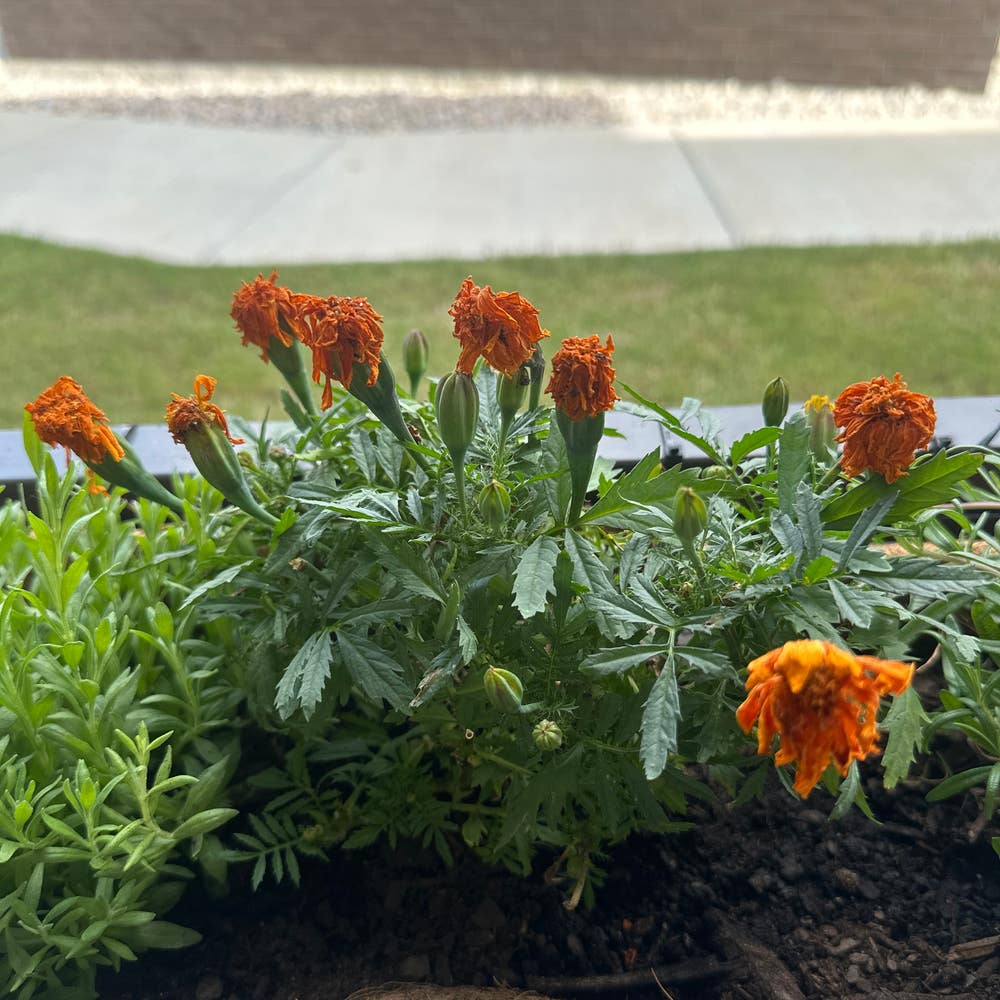
🌼 Marigold Is a Perennial
Tagetes lemmonii
By the Greg Editorial Team
Oct 16, 2024•5 min read
This article was created with the help of AI so we can cover more plants for you. May contain errors. See one? Report it here.
Cultivate a vibrant garden effortlessly with resilient Perennial Marigold, blooming beautifully year after year! 🌼
- 🌱 Perennial Marigold thrives for 3-5 years, regrowing from roots each season.
- 🌞 Seasonal changes trigger growth; warmer temps and light boost blooming.
- 💧 Root health and soil quality are crucial for vibrant, resilient blooms.
Characteristics of Perennial Marigold
Multi-Year Lifecycle 🌱
Perennial Marigold boasts a fascinating multi-year lifecycle. It begins with seed germination, progresses through vegetative growth, bursts into vibrant flowering, and eventually enters a dormant phase.
Typically, this lifecycle unfolds from spring to fall. You can expect to see new growth emerge in spring, followed by a colorful display in summer, and a restful dormancy as the temperatures drop in fall.
Regrowth from Roots Each Year 🌿
One of the standout features of Perennial Marigold is its ability to regrow from its roots each year. The robust root system plays a crucial role in supporting new growth, ensuring the plant thrives season after season.
Healthy roots are vital for successful regrowth. Factors like soil quality, moisture levels, and nutrient availability contribute significantly to maintaining a strong root system, setting the stage for vibrant blooms in the following seasons.
With these characteristics in mind, understanding the lifecycle and root health of Perennial Marigold can help you cultivate a thriving garden. Next, let’s explore how seasonal changes and dormancy impact this resilient plant.
Seasonal Changes and Dormancy
🌱 Dormancy Periods
As temperatures drop, Perennial Marigold begins to show signs of dormancy. Leaves may yellow and fall off, signaling that the plant is conserving energy for the colder months ahead.
The duration of this dormancy varies based on climate conditions. In milder climates, dormancy can last a few weeks, while in harsher regions, it may extend for several months.
🍂 Seasonal Changes Affecting Growth and Flowering
Temperature and light play crucial roles in the growth patterns of Perennial Marigold. Warmer temperatures and longer daylight hours in spring trigger new growth and flowering, while shorter days and cooler temperatures in fall signal the plant to prepare for dormancy.
To cope with these seasonal variations, Perennial Marigold employs several strategies. It adjusts its growth rate and flowering cycles, ensuring it thrives in changing conditions while maximizing its blooming potential.
Understanding these seasonal changes helps gardeners anticipate the plant's needs and optimize care throughout the year. With this knowledge, you can create a flourishing garden that celebrates the beauty of Perennial Marigold in every season.
Advantages for Gardeners
Reduced Replanting Needs 🌱
Perennial Marigold is a gardener's dream, significantly cutting down on the need for annual replanting. This not only saves time but also allows you to enjoy a vibrant garden year after year without the hassle of starting from scratch.
The cost-effectiveness of this perennial is hard to ignore. By minimizing replanting, you save money on seeds and plants, making it a smart choice for budget-conscious gardeners.
Benefits of Established Root Systems 🌳
One of the standout features of Perennial Marigold is its robust root system, which enhances resilience in adverse conditions. These established roots help the plant survive droughts and thrive in less-than-ideal soil.
Moreover, deep roots play a crucial role in nutrient uptake. They allow the plant to access essential nutrients and water, ensuring healthy growth even when conditions are challenging.
Incorporating Perennial Marigold into your garden not only simplifies maintenance but also promotes a thriving ecosystem. With its numerous advantages, it's a fantastic choice for both novice and experienced gardeners alike.
As we explore the lifespan and longevity factors next, you'll discover how to keep your Perennial Marigold flourishing for years to come.
Lifespan and Longevity Factors
🌱 Expected Lifespan
Perennial Marigold typically enjoys a healthy growth span of about three to five years. This duration can vary based on care and environmental conditions, making it a reliable choice for gardeners.
When compared to other perennials, such as Echinacea or Black-eyed Susans, Perennial Marigold holds its own. While some perennials may live longer, the Marigold's vibrant blooms and resilience make it a standout option.
⏳ Factors Influencing Longevity
Several environmental factors play a crucial role in the longevity of Perennial Marigold. Soil quality, for instance, directly impacts root health, which is essential for sustained growth.
Water availability is another key element. Consistent moisture, without waterlogging, helps the plant thrive. Sunlight exposure also matters; too little can stunt growth, while too much can lead to stress.
Pest and disease resistance significantly affects lifespan as well. A robust Perennial Marigold can fend off common pests and diseases, ensuring it remains healthy and vibrant for years.
In summary, with proper care and attention to environmental factors, Perennial Marigold can flourish and bring joy to your garden for several seasons. This resilience not only enhances its appeal but also makes it a valuable addition to any landscape.
As we explore the next section, we'll delve into how climate variations can further influence the growth and behavior of this remarkable plant.
Climate Zone Variations
🌍 Variations in Behavior Across Climate Zones
Perennial Marigold showcases remarkable adaptability across different climate zones. In warmer regions, it thrives with abundant blooms, while cooler climates may slow its growth but still yield vibrant flowers.
Growth patterns can shift significantly based on local conditions. For instance, in areas with extended sunlight, you may notice a longer flowering period, whereas regions with shorter days might see earlier dormancy.
🌱 Strategies for Success
To optimize growth, gardeners should consider their specific climate conditions. For warmer zones, ensure adequate watering during dry spells to maintain health and vigor.
Designing your garden layout can also enhance the benefits of Perennial Marigold. Grouping them with other drought-tolerant plants can create a resilient landscape that thrives with minimal intervention.
By understanding these variations and strategies, you can cultivate a flourishing garden that celebrates the beauty of Perennial Marigold, no matter where you are.
⚠️ Safety First
This content is for general information and may contain errors, omissions, or outdated details. It is not medical, veterinary advice, or an endorsement of therapeutic claims.
Always consult a qualified healthcare professional before using any plant as food, medicine, or supplement.
Never eat any plant (or feed one to pets) without confirming its identity with at least two trusted sources.
If you suspect poisoning, call Poison Control (800) 222-1222, the Pet Poison Helpline (800) 213-6680, or your local emergency service immediately.
Spotted an error? Please report it here.
Cultivate a vibrant garden 🌼 with Perennial Marigold by using Greg's tailored watering reminders and root care tips to ensure your blooms flourish season after season!