How to Grow Perennial Marigold: From Soil to Sun ☀️
Tagetes lemmonii
By the Greg Editorial Team
Oct 16, 2024•6 min read
This article was created with the help of AI so we can cover more plants for you. May contain errors. See one? Report it here.
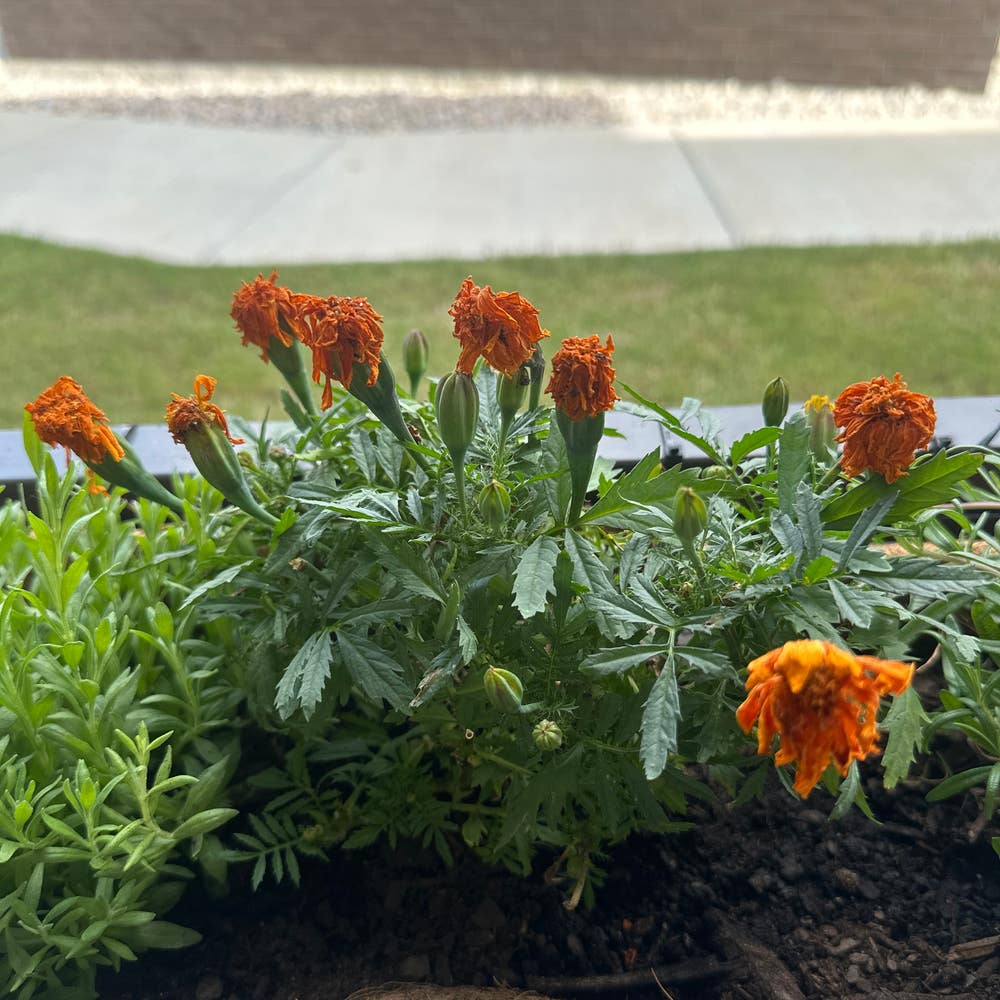
Cultivate stunning marigolds 🌼 with essential planting and care tips for a vibrant garden transformation!
- 🌞 Marigolds need 6-8 hours of sunlight daily for vibrant blooms.
- 🌱 Well-drained, nutrient-rich soil with pH 6.0-7.0 is essential for growth.
- 💧 Water weekly and adjust during heat; deep watering promotes healthy roots.
Site Selection and Soil Preparation
Choosing the Right Location 🌞
Marigolds thrive in full sun, requiring 6-8 hours of direct sunlight daily. This exposure is crucial for their optimal growth and vibrant blooms.
Drainage is another key factor. Avoid low-lying areas where water can pool, as marigolds prefer good air circulation around their roots to prevent rot.
Soil Type and Amendments for Optimal Growth 🌱
For marigolds, well-drained, nutrient-rich soil is ideal. Aim for a soil pH between 6.0 and 7.0 to ensure they flourish.
Start by testing your soil quality and pH. If adjustments are needed, incorporate amendments like compost, aged manure, and perlite to enhance drainage. Mix these thoroughly into the soil for the best results.
With the right location and soil preparation, your marigolds will be set for a thriving season. Next, let’s explore effective planting techniques to get those blooms started!
Planting Techniques
Seed vs. Transplanting 🌱
Starting marigolds from seeds is a straightforward process. Aim to plant them 6-8 weeks before the last frost, ensuring they germinate in warm conditions between 70°F and 75°F.
Transplanting seedlings requires a bit more finesse. Wait until after the last frost and when seedlings have developed 2-3 true leaves. Gradually acclimate them to outdoor conditions over 7-10 days, a process known as hardening off.
Spacing and Depth Considerations 📏
Proper spacing is crucial for healthy marigold growth. Space your plants 10-12 inches apart to allow for optimal air circulation.
When it comes to planting depth, keep it simple. Sow seeds about 1/4 inch deep, and for seedlings, plant them at the same depth they were in their original containers. This ensures they settle in comfortably and thrive.
With these planting techniques in mind, you’re well on your way to cultivating vibrant marigolds. Next, let’s explore how to effectively water and fertilize your plants for maximum growth.
Watering and Fertilizing
Watering Frequency and Techniques 🌊
Marigolds thrive on consistent moisture, but be careful not to waterlog them. Aim to water once a week, increasing frequency during hot spells to keep them hydrated.
For effective watering, deep watering is key. This encourages strong root growth, so consider using drip irrigation or soaker hoses for efficiency and to minimize evaporation.
Types of Fertilizers and Application Methods 🌱
When it comes to fertilizing marigolds, you have options. Balanced NPK fertilizers, like a 10-10-10 mix, or organic choices such as fish emulsion work wonders.
Application methods vary: mix granular fertilizers into the soil at planting, or opt for liquid fertilizers every 4-6 weeks throughout the growing season. This ensures your marigolds get the nutrients they need to flourish.
With proper watering and fertilizing, your marigolds will be set for vibrant growth. Next, let’s explore the essential pruning and maintenance techniques to keep them looking their best.
Pruning and Maintenance
🌿 When and How to Prune Marigolds
Pruning is essential for maintaining the health and aesthetics of your marigolds. Regular pruning helps prevent disease and encourages a fuller, bushier plant.
To effectively prune, start by removing any dead or yellowing leaves. This not only improves appearance but also allows the plant to focus its energy on new growth.
Next, cut back any leggy growth. This technique promotes bushiness and ensures your marigolds remain vibrant and lush throughout the growing season.
🌼 Deadheading for Continuous Blooms
Deadheading is the process of removing spent flowers, and it plays a crucial role in promoting new blooms. By regularly deadheading, you encourage your marigolds to produce more flowers, extending their blooming period.
Aim to deadhead every 1-2 weeks during peak blooming. This simple practice keeps your garden looking fresh and lively.
For the best results, use clean, sharp scissors or pruning shears. This ensures a clean cut, reducing the risk of disease and promoting healthy growth.
With these pruning and deadheading techniques, your marigolds will thrive, providing a stunning display of color all season long. Now, let’s explore common challenges and solutions to keep your marigolds in top shape.
Common Challenges and Solutions
🐛 Identifying and Managing Pests
Marigolds can attract a few pesky pests that may threaten their health.
Aphids are small, soft-bodied insects that suck sap from the plants. Look for curled leaves or sticky residue on the foliage. Control them effectively with insecticidal soap or a strong spray of water.
Nematodes are microscopic worms that can damage roots. To prevent infestations, maintain healthy soil through crop rotation and regular amendments.
🦠 Disease Prevention and Treatment
Marigolds can also fall victim to certain diseases that can hinder their growth.
Powdery mildew is a fungal disease characterized by a white, powdery coating on leaves. Prevent it by ensuring proper spacing for air circulation and avoiding overhead watering.
Root rot occurs when roots sit in waterlogged soil, leading to decay. Improve drainage by amending the soil and avoid overwatering to keep your marigolds thriving.
🌦️ Seasonal Care Adjustments
Adapting your care routine to seasonal changes is crucial for marigold health.
Winterizing marigolds involves protecting them from harsh conditions. Use mulch to insulate the roots and cover plants with frost cloth during extreme cold.
In summer, marigolds may need extra attention. Increase watering frequency and consider providing shade during intense heat to keep them hydrated and happy.
By staying vigilant and adjusting your care techniques, you can ensure your marigolds flourish through every season. Next, let’s explore how to successfully grow marigolds in containers for those with limited garden space.
Container Gardening
Choosing the Right Container 🌱
When growing marigolds in containers, size matters. Aim for a minimum diameter of 12 inches to provide adequate root space for healthy growth.
Drainage is crucial as well. Ensure your containers have drainage holes to prevent root rot, which can quickly ruin your plants.
Soil and Care for Container-Grown Marigolds 🌼
For soil preparation, opt for a quality potting mix. Adding perlite enhances drainage, keeping your marigolds happy and thriving.
Watering is more frequent in containers since they dry out faster. Aim to check moisture levels regularly and water as needed.
Fertilizing is also essential. Use liquid fertilizers every 4-6 weeks to keep your marigolds nourished and blooming beautifully.
With the right container and care, your marigolds will flourish, adding vibrant color to your space. Next, let’s explore ongoing care and maintenance to ensure your plants stay healthy and vibrant.
Ongoing Care and Maintenance
🌱 Regular Plant Care Routine for Marigolds
Consistent monitoring is crucial for the health and growth of your marigolds. By keeping a close eye on your plants, you can catch potential issues before they escalate.
🔍 Weekly Inspections
Conduct weekly inspections to check for pests and diseases. Look for signs of aphids or powdery mildew, and act quickly to manage any infestations.
💧 Adjusting Watering and Fertilizing
As your marigolds grow, their needs will change. Adjust your watering and fertilizing schedule based on their growth stage and the current weather conditions.
🌦️ Seasonal Considerations
In hot weather, marigolds may require more frequent watering. Conversely, during cooler months, you might need to reduce watering to prevent root rot.
🌼 Final Thoughts
By establishing a regular care routine, you ensure your marigolds thrive throughout the growing season. This proactive approach not only enhances their beauty but also enriches your gardening experience.
Next, let’s explore common challenges and solutions to keep your marigolds flourishing.
⚠️ Safety First
This content is for general information and may contain errors, omissions, or outdated details. It is not medical, veterinary advice, or an endorsement of therapeutic claims.
Always consult a qualified healthcare professional before using any plant as food, medicine, or supplement.
Never eat any plant (or feed one to pets) without confirming its identity with at least two trusted sources.
If you suspect poisoning, call Poison Control (800) 222-1222, the Pet Poison Helpline (800) 213-6680, or your local emergency service immediately.
Spotted an error? Please report it here.
Elevate your garden with blooming marigolds 🌼 by using Greg's tailored care reminders and soil testing to ensure they thrive beautifully all season long!