✂️ Step-by-Step Guide to Trimming Marigold
Tagetes lemmonii
By the Greg Editorial Team
Oct 16, 2024•3 min read
This article was created with the help of AI so we can cover more plants for you. May contain errors. See one? Report it here.
Revitalize your marigolds 🌼 with essential pruning techniques for stunning blooms all season long!
- ✂️ Use sharp, clean tools for effective pruning of perennial marigolds.
- 🌱 Prune in early spring to encourage healthy growth and blooms.
- 🌼 Deadheading promotes continuous blooming; remove wilted flowers regularly.
Pruning Techniques for Perennial Marigold
🛠️ Tools Needed for Pruning
To effectively prune your perennial marigold, you'll need a few essential tools.
- Pruning shears: Ensure they are sharp and clean for precise cuts.
- Loppers: These are useful for tackling thicker stems when necessary.
- Gloves: Protect your hands from sap and thorns.
- Disinfectant: Clean your tools to prevent the spread of diseases.
⏰ Step-by-Step Pruning Process
🕒 Identifying the Right Time to Prune
Timing is crucial for successful pruning.
- Early spring: This is the best time to prune before new growth begins.
- After flowering: Pruning at this stage encourages a second bloom cycle.
- Mid-summer: Use this time for maintenance and shaping.
✂️ Techniques for Cutting Stems
Follow these steps for effective stem cutting:
- Identify dead or damaged stems.
- Cut back to the nearest healthy leaf node.
- Make clean cuts at a 45-degree angle to promote healing.
- Avoid cutting into old wood; focus on new growth.
🌳 How to Shape the Plant
Shaping your marigold enhances its appearance and health.
- Pinch back the tips of stems to encourage bushiness.
- Remove any leggy growth to maintain a compact shape.
- Step back frequently to assess the overall shape and balance.
🌼 Deadheading Perennial Marigold
📋 Step-by-Step Deadheading Instructions
Deadheading keeps your marigold blooming beautifully.
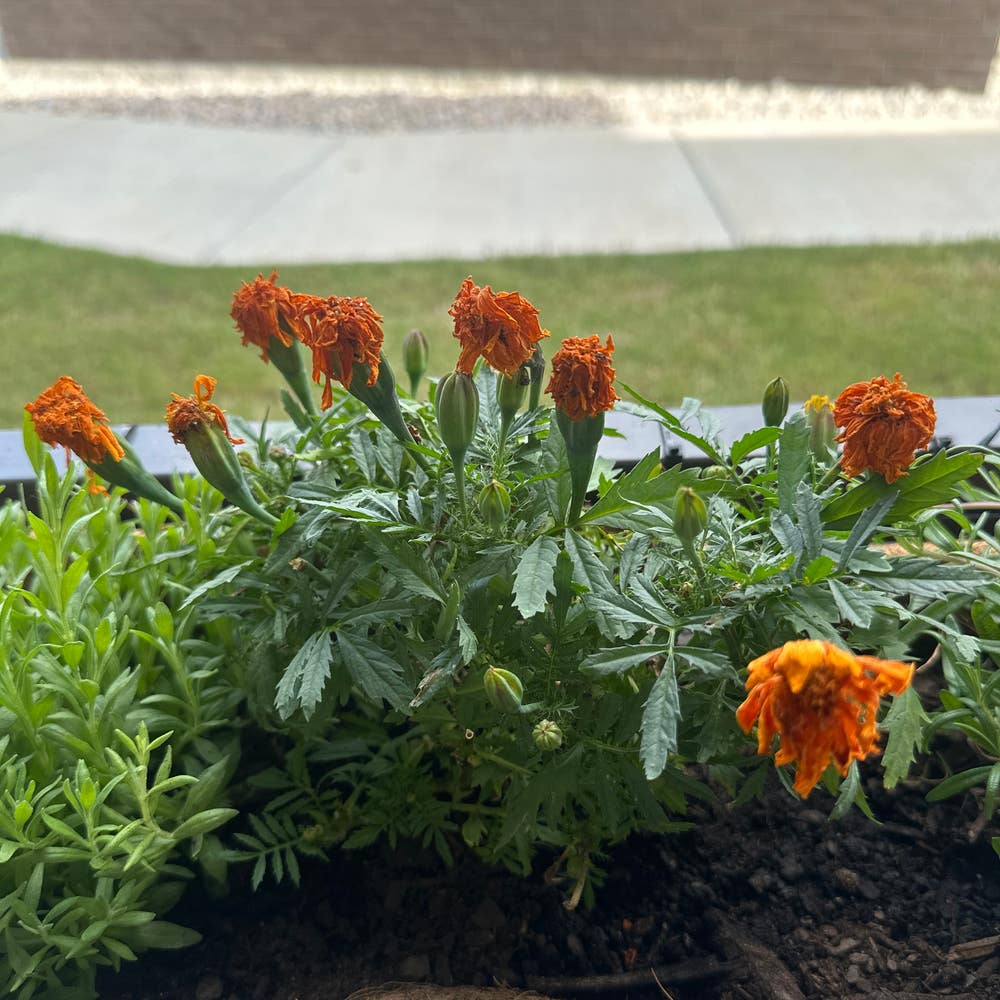
- Identify spent flowers by looking for wilted or brown blooms.
- Use pruning shears or your fingers to pinch off the flower head.
- Cut just above the first set of healthy leaves or buds.
- Dispose of dead flowers to prevent pests and diseases.
🚨 Signs that Deadheading is Needed
Watch for these indicators that deadheading is necessary:
- Flowers are wilting or browning.
- Reduced blooming frequency.
- Presence of seed pods forming.
🌦️ Seasonal Considerations for Pruning
📅 Best Time of Year to Prune
Different seasons call for different pruning strategies.
- Early spring: Ideal for initial shaping and health checks.
- Late summer: Focus on maintenance and preparing for fall blooms.
🔄 Adjusting Pruning Techniques Based on Season
Tailor your pruning approach to the season:
- Spring: More aggressive pruning to shape and rejuvenate.
- Summer: Light maintenance; focus on deadheading.
- Fall: Minimal pruning; remove only dead or damaged stems.
⚠️ Common Mistakes in Pruning Perennial Marigold
❌ Over-Pruning: Signs and Consequences
Be cautious not to over-prune.
- Signs: Look for excessive leaf drop and stunted growth.
- Consequences: This can lead to weak plants and reduced flowering.
⚠️ Under-Pruning: How it Affects Growth
Under-pruning can also be detrimental.
- Signs: Watch for leggy growth and fewer blooms.
- Consequences: Poor air circulation increases the risk of disease.
🛑 Tools to Avoid and Best Practices
Using the right tools is vital for successful pruning.
- Avoid dull or rusty tools, as they can cause damage and spread disease.
- Best practices: Clean tools before and after use, and prune during dry weather.
With these techniques and considerations, your perennial marigold will thrive and bloom beautifully. Next, let’s explore the art of deadheading to keep your plants vibrant and healthy.
⚠️ Safety First
This content is for general information and may contain errors, omissions, or outdated details. It is not medical, veterinary advice, or an endorsement of therapeutic claims.
Always consult a qualified healthcare professional before using any plant as food, medicine, or supplement.
Never eat any plant (or feed one to pets) without confirming its identity with at least two trusted sources.
If you suspect poisoning, call Poison Control (800) 222-1222, the Pet Poison Helpline (800) 213-6680, or your local emergency service immediately.
Spotted an error? Please report it here.
Transform your marigolds into blooming beauties 🌼 with Greg's tailored pruning reminders and expert tips that ensure every cut leads to vibrant growth!