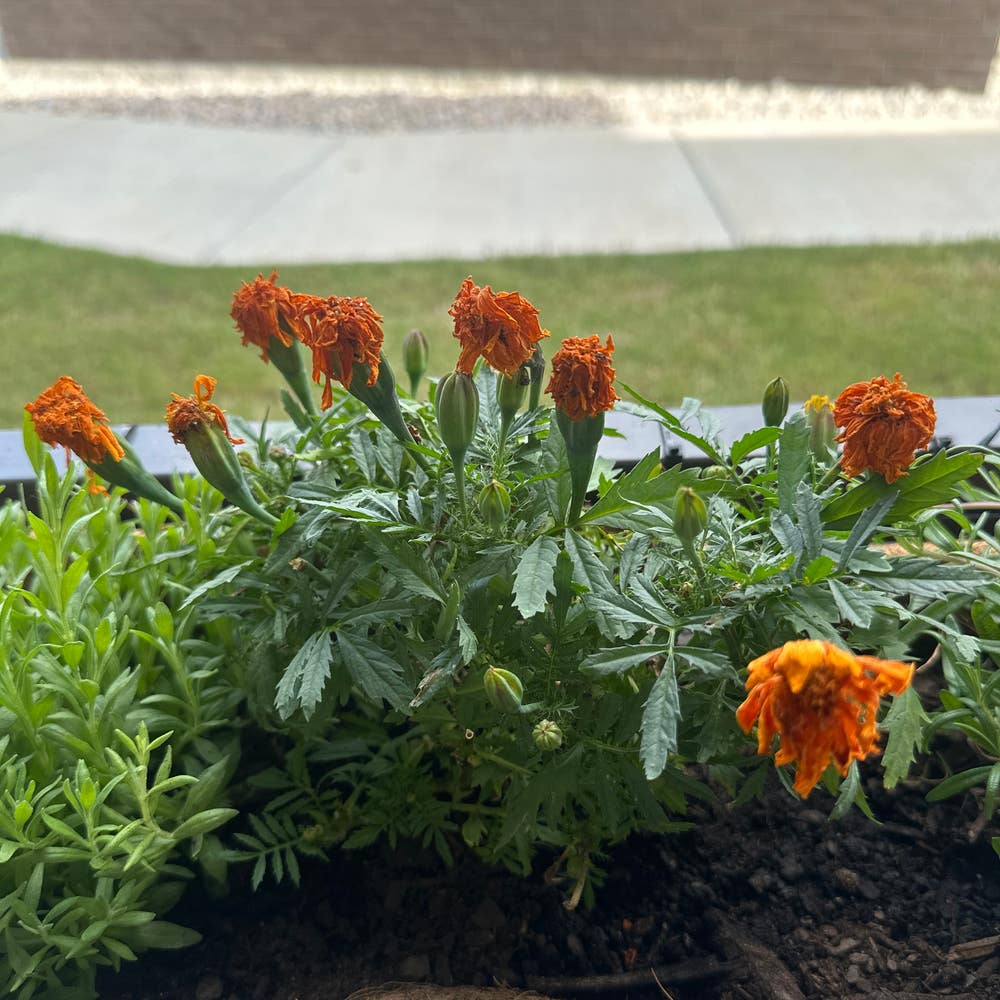
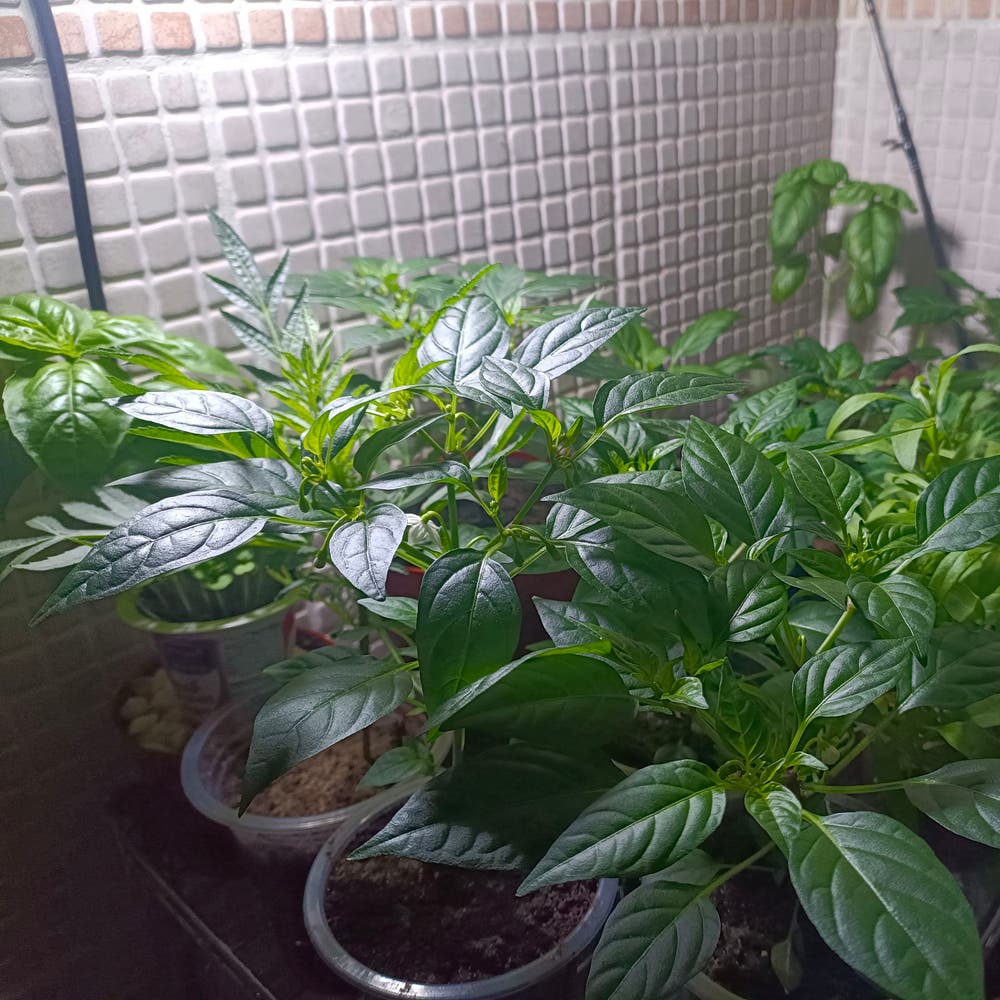
Black Spots on My Mountain Marigold Leaves
Tagetes lemmonii
By the Greg Editorial Team
Mar 26, 2024•4 min read
This article was created with the help of AI so we can cover more plants for you. May contain errors. See one? Report it here.
Banish black spots on your Mountain Marigold 🏔🌼 with expert tips for diagnosis and defense!
- Visual inspection reveals black spots' nature—fungal powdery, bacterial slimy.
- Sterilize tools to prevent pathogen spread; prune and dispose of infected leaves.
- Water wisely and ensure airflow to deter black spot pathogens on Mountain Marigold.
Spotting the Culprit: Diagnosis of Black Spots
🔍 Visual Inspection
Spotting black spots on your Mountain Marigold leaves? Time to play plant detective. Look for small, dark specks or larger blotches. Uniformity is a red flag; natural leaf patterns don't look like a random mess.
🔬 Confirming the Diagnosis
To confirm the diagnosis, inspect the spots' texture and color. Fungal spots are often powdery, bacterial ones slimy. If the spots are spreading, it's likely a fungus. Bacterial infections often look water-soaked. Pests? They leave stickiness and mold in their wake.
Sterilize your tools before and after inspection to avoid spreading any pathogens. If the diagnosis is unclear, don't hesitate to seek expert advice. Remember, early detection is key to managing the problem effectively.
Unearthing the Cause: What's Behind the Black Spots?
🍄 Fungal Foes
Identifying common fungal culprits is key in combating black spots on Mountain Marigold leaves. High humidity and poor air circulation are the perfect storm for these pathogens.
🎯 Recognizing Fungal Patterns
Look for bull's-eye patterns or powdery coatings, often accompanied by a yellow or red halo. These signs point to a fungal shindig on your plant's leaves.
🌧️ Conducive Conditions
Fungi love moisture. Overwatering and stagnant air are like an open invitation for these organisms to take root and spread.
💥 Bacterial Bullies
Bacterial infections are stealthy, often going unnoticed until significant damage is done. They thrive in moist conditions and can be spread by contaminated tools or hands.
🔍 Spotting Bacterial Signs
Watch for water-soaked lesions or spots with a yellow halo. These are the calling cards of bacterial infections, signaling it's time for action.
🌿 Environmental Factors
Unclean tools or pots can act as Trojan horses, introducing bacteria to your Mountain Marigold. Ensure everything that comes into contact with your plant is sterilized to prevent these undercover agents from causing harm.
Nipping it in the Bud: Effective Treatment Strategies
✂️ Prune with Purpose
Immediate action is essential when combating black spots on Mountain Marigold leaves. Sterilize your pruning shears with alcohol or a 10% bleach solution to prevent spreading the disease. Snip off the infected leaves at their base, careful not to harm the healthy parts. Dispose of these leaves securely; think of them as potential contagions rather than mere garden waste.
💉 Chemical Combat
When pruning isn't enough, it's time for chemical intervention. Select a broad-spectrum fungicide, like chlorothalonil or mancozeb, for fungal foes. For bacterial battles, copper-containing compounds can help contain the outbreak. Always apply treatments evenly, covering the entire plant to leave no leaf unturned. Follow the label instructions meticulously; they're the blueprint for your plant's recovery. Remember, protective gear is non-negotiable—safety first.
Keeping it Clean: Prevention Tactics
💧 Water Wisely
Watering is crucial for plant health but doing it wrong is like rolling out the red carpet for black spots. Water at the base of your Mountain Marigold to keep the leaves dry and only when the soil feels like a desert—bone-dry. Early morning is the golden hour for watering; it gives leaves time to dry out under the sun's watchful eye, minimizing the allure for fungi.
🌬 Airflow and Environment
Air circulation is the invisible shield against black spots. Space out your Mountain Marigolds like guests at a well-hosted garden party—enough room to mingle without bumping elbows. Think of it as creating a microclimate that whispers 'fresh air' rather than 'stuffy attic'. Positioning is key; place your plants where the morning sun can grace them with its presence, ensuring any overnight moisture doesn't overstay its welcome.
Keep the ground around your plants as tidy as a minimalist's living room—debris-free. This isn't just about looking neat; it's about breaking the cycle of infection. And remember, your gardening tools are allies in this fight; keep them as clean as a new pin to avoid accidental contamination.
Regular monitoring is your plant's personal bodyguard. Keep an eye out for early signs of trouble and act swiftly, like a ninja in the night, to keep your Mountain Marigolds in tiptop shape.
⚠️ Safety First
This content is for general information and may contain errors, omissions, or outdated details. It is not medical, veterinary advice, or an endorsement of therapeutic claims.
Always consult a qualified healthcare professional before using any plant as food, medicine, or supplement.
Never eat any plant (or feed one to pets) without confirming its identity with at least two trusted sources.
If you suspect poisoning, call Poison Control (800) 222-1222, the Pet Poison Helpline (800) 213-6680, or your local emergency service immediately.
Spotted an error? Please report it here.
Keep your Mountain Marigold blemish-free 🍃 by leveraging Greg's custom care plans and community insights to prevent and tackle those pesky black spots.