Why Are There Black Spots on My Parrot Impatiens Leaves?
Impatiens niamniamensis
By the Greg Editorial Team
Feb 09, 2024•3 min read
This article was created with the help of AI so we can cover more plants for you. May contain errors. See one? Report it here.
- Black spots signal trouble, early detection through regular leaf inspection is key.
- Prevent spread with sterilized tools, proper watering, and clean pots.
- Treat with fungicides or bactericides and isolate infected plants to protect others.
Spotting the Trouble: Recognizing Black Spots on Your Parrot Impatiens
🕵️ Visual Cues: The Black Spot Breakdown
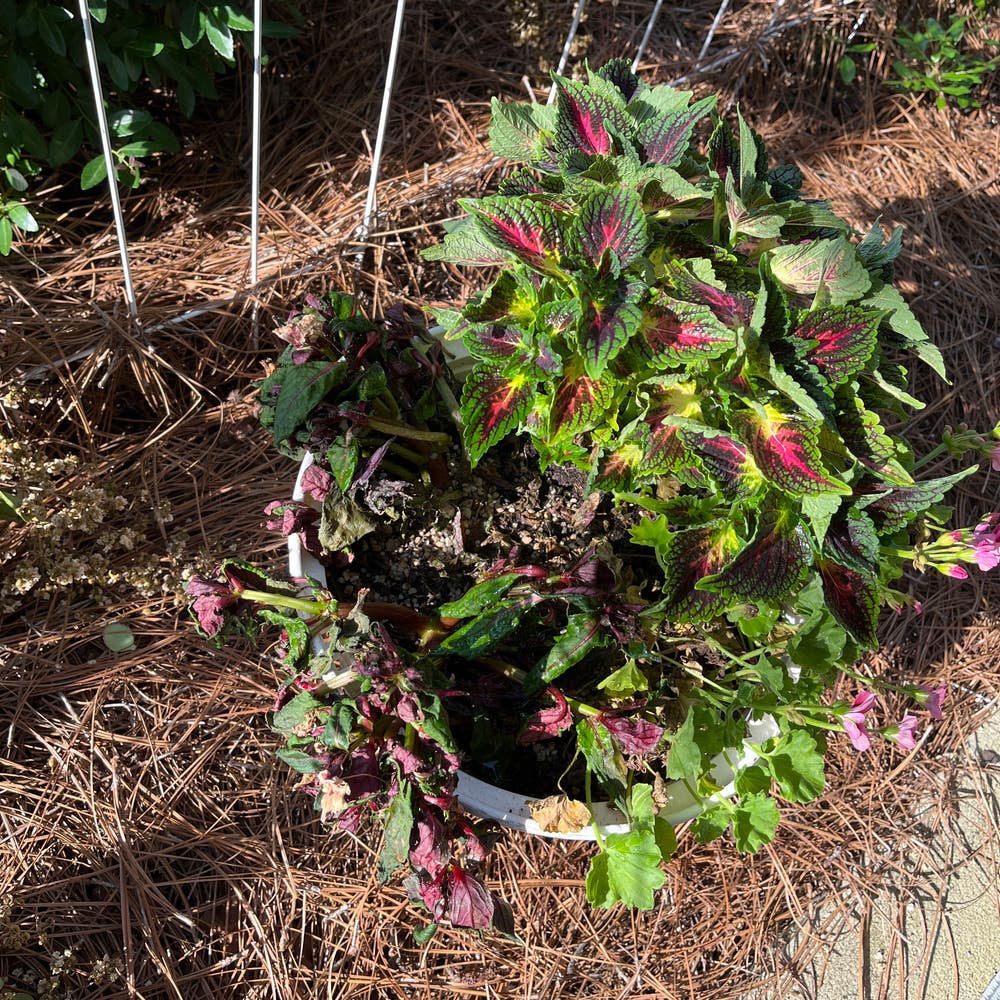
Black spots on Parrot Impatiens are the plant's version of a distress signal. They typically manifest as small, dark specks, often surrounded by a yellow halo that indicates trouble. These spots can be less than ⅛ inch in diameter, so regular inspection of both the tops and undersides of leaves is crucial for early detection.
🔄 Patterns of Spread: Tracking the Black Spot Invasion
As the black spots progress, they may grow or merge, forming larger blotches that can distort leaves, cause discoloration, or even lead to premature leaf drop. It's important to monitor the spread to other leaves and note changes in texture. Irregular shapes and a lighter gray center surrounded by a darker edge are telltale signs of fungal involvement. If you spot tiny black dots within the spots, you're likely looking at fungal fruiting bodies—essentially the fungus caught red-handed.
Cleanliness During Inspection
When inspecting for black spots, avoid touching healthy leaves after handling affected ones to prevent pathogen spread. If removal of infected foliage is necessary, always use sterilized tools. Keeping a photographic record of the spots' appearance and progression can be invaluable for diagnosis and subsequent treatment.
Shielding Your Greens: Prevention Tactics
💧 Water Wisdom
Morning rituals matter. Water your Parrot Impatiens early to let the sun do the drying. Overwatering? It's a no-go. Keep soil moist, not soggy, to fend off root rot.
💨 Airflow and Spacing Strategies
Give your Impatiens room to breathe. Cramped quarters aren't just unsightly; they're an open invite for disease. Space them out for air to flow, keeping fungal invaders at bay.
🌱 Soil and Sanctuary
Soil selection is key. Opt for a well-draining mix to avoid waterlogging. Cleanliness isn't just for show; it's a shield against disease. Keep your pots and tools spotless to prevent unwelcome guests.
Erasing the Spots: Treatment Techniques
🍄 Fungicide Fix
Selecting the right fungicide is like picking the best tool for a job—it has to be fit for purpose. Look for products containing tebuconazole or triticonazole, which are MVPs against fungal invaders. Apply these with precision; coat the leaves thoroughly but avoid overuse. Rotate your fungicides regularly to prevent resistance, just like you'd change passwords to keep your accounts secure.
- Apply during cooler hours for maximum effectiveness.
- Follow the label instructions—this isn't just advice; it's the law.
👷 Safety Tips for Chemical Use
When handling chemicals, suit up with protective gear. Think of it as armor against potential foes. Always follow the label like it's a treasure map, leading you to safe and effective usage. Remember, more isn't always better—over-application can harm more than help.
🦠 Bactericide Battle
When bacteria are the bullies, copper-based bactericides can step in to save the day. Use them as directed, ensuring you're not just throwing punches in the dark but hitting the target precisely.
- Isolate infected plants to prevent the spread to healthy neighbors.
- Remove and dispose of diseased plants immediately, keeping your garden's health in check.
👀 Monitoring and Maintaining Plant Health Post-Treatment
After treatment, keep a watchful eye on your Parrot Impatiens. Consistent monitoring is key to catching any resurgence of black spots early. Maintain plant health with good practices—think of it as a wellness routine for your greens.
- Improve air circulation; it's like giving your plants room to breathe.
- Keep the foliage dry; wet leaves are a playground for fungi.
⚠️ Safety First
This content is for general information and may contain errors, omissions, or outdated details. It is not medical, veterinary advice, or an endorsement of therapeutic claims.
Always consult a qualified healthcare professional before using any plant as food, medicine, or supplement.
Never eat any plant (or feed one to pets) without confirming its identity with at least two trusted sources.
If you suspect poisoning, call Poison Control (800) 222-1222, the Pet Poison Helpline (800) 213-6680, or your local emergency service immediately.
Spotted an error? Please report it here.
Keep your Parrot Impatiens thriving 🌿 with Greg's tailored care reminders, helping you spot and stop black spots before they spread.