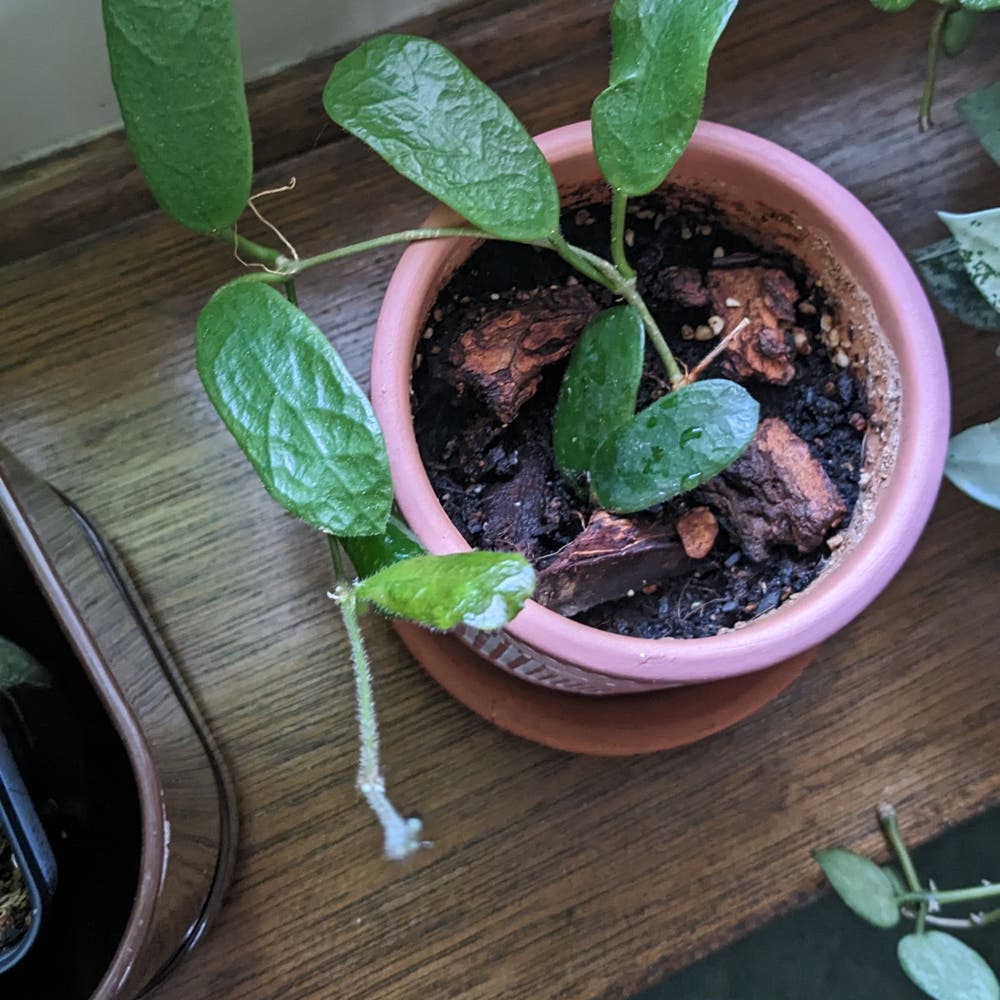
10 Ideal Locations to Plant Your Round-leaved Hoya ⛏️
Hoya rotundiflora
By the Greg Editorial Team
Sep 28, 2024•5 min read
This article was created with the help of AI so we can cover more plants for you. May contain errors. See one? Report it here.
Master the essentials of light, soil, and drainage 🌱 for a thriving Round-leaved Hoya that dazzles in your space!
- 🌞 Round-leaved Hoya thrives in bright, indirect sunlight for optimal growth and health.
- 🌱 Well-draining, slightly acidic soil is essential to prevent root rot and yellowing leaves.
- 🌿 Space plants 12-18 inches apart for airflow, avoiding overcrowding and competition for nutrients.
Sunlight Exposure Requirements
Optimal Light Conditions 🌞
Round-leaved Hoya thrives in bright, indirect sunlight. This is the sweet spot for growth, ensuring your plant remains vibrant and healthy.
Tolerance to Low Light 🌑
While these plants can tolerate low light, be aware that their growth may slow down. If you notice your Hoya becoming leggy or its leaves turning yellow, it’s a sign it’s not getting enough light.
Ideal Outdoor Placement 🌳
For outdoor planting, position your Hoya near east or north-facing walls. This placement allows it to soak up the gentle morning sun without the harshness of the afternoon rays.
Indoor Placement Tips 🪴
When indoors, place your Hoya near windows that filter light. Avoid direct afternoon sun, as it can scorch the leaves and hinder growth.
Summary 📜
Understanding the sunlight needs of your Round-leaved Hoya is crucial for its health. By providing the right light conditions, you set the stage for a thriving plant that brings beauty to your space.
Next, let’s explore the soil type preferences that will further enhance your Hoya's growth.
Soil Type Preferences
Preferred Soil Composition 🌱
For your round-leaved Hoya, well-draining soil rich in organic matter is essential. This ensures that the roots can breathe and thrive without the risk of waterlogging.
Ideal pH Range ⚖️
Aim for a slightly acidic to neutral pH, ideally between 6.0 and 7.0. This range supports optimal nutrient absorption for your plant.
Recommended Soil Types 🪴
Consider using a potting mix that includes perlite or orchid bark. These components enhance aeration and drainage, which are crucial for healthy growth.
Importance of Soil Drainage 🚰
Proper drainage is vital to prevent root rot, a common issue for Hoya plants. Always check that your soil allows excess water to escape, promoting a robust root system.
Signs of Poor Soil Conditions 🚨
Watch for signs like yellowing leaves or mushy roots, which indicate poor drainage. These symptoms can signal that your plant is struggling and needs immediate attention.
By choosing the right soil composition and ensuring excellent drainage, you set your round-leaved Hoya up for success. Next, let’s explore how to position your plant for optimal growth and health.
Proximity to Other Plants and Structures
🌱 Ideal Spacing and Companion Plants
When planting your round-leaved Hoya, aim for a spacing of 12-18 inches from other plants. This distance allows for proper airflow, which is crucial for preventing mold and promoting healthy growth.
Consider pairing your Hoya with tropical plants like ferns or peace lilies. These companions thrive in similar conditions, creating a harmonious garden space.
🚫 Avoiding Overcrowding
Overcrowding can lead to competition for light and nutrients. Ensuring adequate space helps your Hoya flourish without the stress of competing for resources.
🏗️ Consideration of Structures
Planting near walls or trellises not only provides support but also enhances aesthetic appeal. These structures can create a beautiful backdrop while offering your Hoya the stability it needs to grow tall and strong.
By thoughtfully considering spacing and companion plants, you can create a thriving environment for your round-leaved Hoya. Next, let’s explore how to assess microclimates and ensure your plant is well-protected from wind.
Assessing Microclimates and Wind Protection
🌡️ Identifying Microclimates
Microclimates are unique areas that experience different climate conditions compared to their surroundings. These small zones can significantly impact the growth of your round-leaved Hoya.
To find warm spots, look for areas that receive reflected heat from walls or pavements. Such locations can provide a cozy environment for your plant.
Humidity plays a crucial role in plant health. Opt for spots with higher humidity, like near water features, to help your Hoya thrive.
Keep an eye on seasonal variations. Observing how sunlight and temperature shift throughout the year can guide you in selecting the best planting location.
🌬️ Wind Protection Needs
Round-leaved Hoya plants are sensitive to drafts and prefer sheltered spots. Protecting them from harsh winds is essential for their well-being.
Identify windbreaks such as fences, walls, or taller plants that can shield your Hoya from strong gusts. This stability is vital for preventing leaf damage.
For indoor plants, position your Hoya away from air vents or drafty windows. This simple step can make a significant difference in keeping your plant healthy.
Understanding microclimates and wind protection will set the stage for optimal growth conditions. Next, let’s explore the importance of drainage considerations for your round-leaved Hoya.
Drainage Considerations
Importance of Drainage 🌊
Proper drainage is crucial for the health of your round-leaved Hoya. It prevents root rot and encourages robust growth.
Assessing Drainage in Outdoor Settings 🌳
To ensure your plant thrives, test the soil drainage in your garden. Dig a hole and observe how quickly water is absorbed; this will give you insight into your soil's drainage capabilities.
Indoor Pot Selection 🪴
When potting indoors, choose containers with drainage holes. Pair these with a well-draining potting mix to create an optimal environment for your Hoya.
Signs of Poor Drainage 🚨
Be vigilant for signs that your plant is struggling. Water pooling at the surface, yellowing leaves, and mushy roots indicate that drainage issues need immediate attention.
Understanding these drainage considerations will set your round-leaved Hoya up for success. Next, let’s explore how to assess microclimates and wind protection for your plant.
⚠️ Safety First
This content is for general information and may contain errors, omissions, or outdated details. It is not medical, veterinary advice, or an endorsement of therapeutic claims.
Always consult a qualified healthcare professional before using any plant as food, medicine, or supplement.
Never eat any plant (or feed one to pets) without confirming its identity with at least two trusted sources.
If you suspect poisoning, call Poison Control (800) 222-1222, the Pet Poison Helpline (800) 213-6680, or your local emergency service immediately.
Spotted an error? Please report it here.
Position your round-leaved Hoya for optimal growth 🌞 and let Greg guide you with tailored care tips and reminders to keep it thriving in your home!