🐞 Ultimate Guide to What's Eating Your Round-leaved Hoya
Hoya rotundiflora
By the Greg Editorial Team
Sep 28, 2024•6 min read
This article was created with the help of AI so we can cover more plants for you. May contain errors. See one? Report it here.
Safeguard your Round-leaved Hoya from herbivores while inviting beneficial wildlife for a flourishing garden! 🌿
- 🌿 Round-leaved Hoya attracts herbivores; protect it with barriers and repellents.
- 🦌 Deer and rabbits cause significant damage; use fencing and bitter sprays to deter them.
- 🐦 Beneficial insects like bees enhance pollination, balancing your garden ecosystem.
Appearance and Appeal
🌿 Description of Round-leaved Hoya
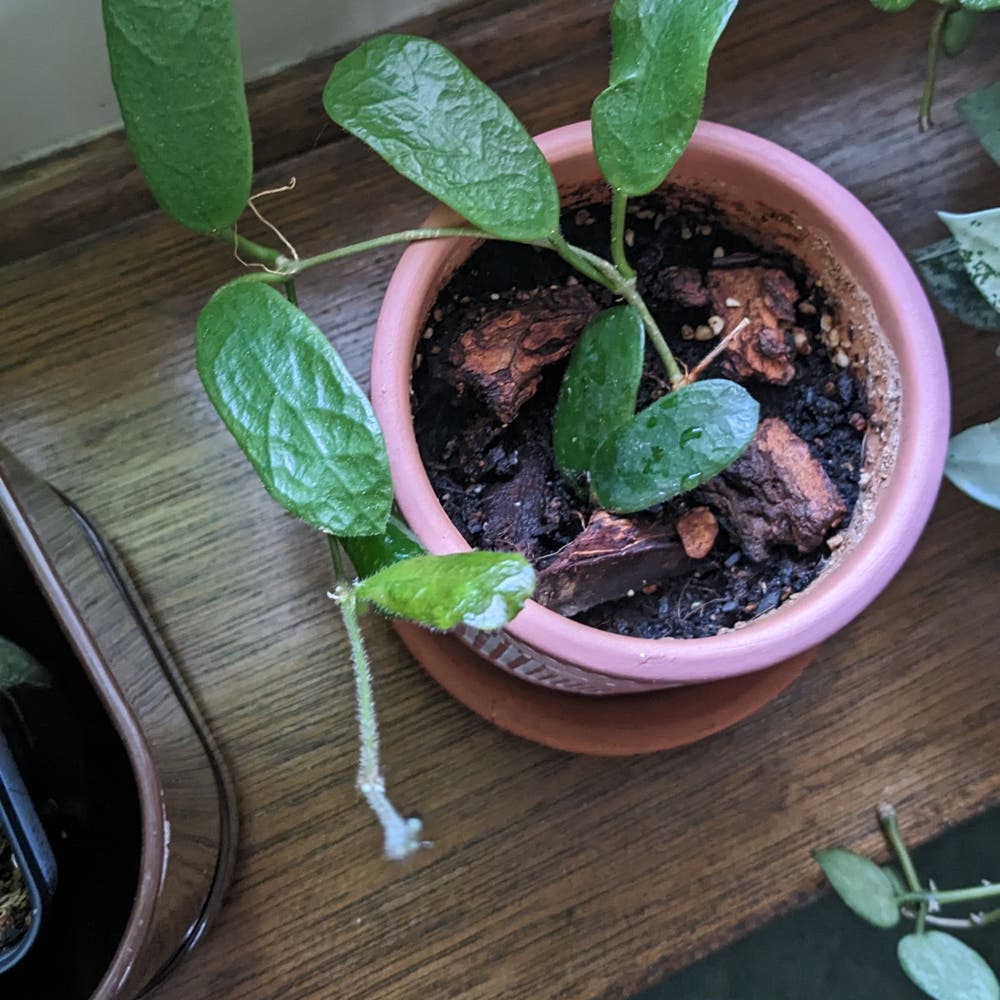
The Round-leaved Hoya is a striking plant known for its round to oval leaves that boast a glossy texture. Its flower clusters are particularly captivating, featuring fragrant, star-shaped blooms that typically come in shades of white or pink.
🐾 Most Appealing Parts to Animals
Herbivores are drawn to several parts of the Round-leaved Hoya. Young shoots are tender and nutritious, making them a favorite snack. The flowers, with their attractive fragrance and vibrant colors, also entice various animals, while the sweet fruits serve as an irresistible treat for many herbivores.
Understanding these appealing features can help you protect your plant from potential threats. Next, we’ll explore the common herbivores that might be munching on your Round-leaved Hoya.
Common Herbivores Affecting Round-leaved Hoya
🦌 Deer
Signs of Presence and Damage
Look for hoof prints in muddy areas, which indicate deer activity. You may also notice leaves stripped from lower branches, a clear sign that these animals are browsing.
Interaction Type
Deer are generally harmful to Round-leaved Hoya. Their feeding can severely damage the plant, leading to stunted growth and reduced vigor.
Deterrent Methods
To keep deer at bay, consider using commercial deer repellents. Alternatively, planting deer-resistant species nearby or using human hair and soap shavings can provide organic deterrents.
🐇 Rabbits
Signs of Presence and Damage
Rabbits leave small, round droppings near the plant. You might also find cleanly cut leaves and stems, showcasing their nibbling habits.
Interaction Type
Rabbits are generally harmful as they can decimate young plants and significantly hinder growth.
Deterrent Methods
Bitter-tasting sprays can deter rabbits effectively. Additionally, erecting a fence that is 2-3 feet high or using repellents like cayenne pepper can help protect your plants.
🐿️ Squirrels
Signs of Presence and Damage
Chewed leaves and stems are common signs of squirrel activity. You may also find scattered debris and gnaw marks on branches.
Interaction Type
Squirrels are generally harmful, weakening the plant and disrupting its growth.
Deterrent Methods
Commercial squirrel repellents can be effective. For a more organic approach, consider installing motion-activated sprinklers or using reflective materials to scare them away.
🐦 Birds
Signs of Presence and Damage
Look for feathered droppings on leaves and peck marks as indicators of bird activity. They may also remove flowers and young shoots.
Interaction Type
Bird interactions are mixed; while some birds help pollinate, others can cause damage to your plants.
Deterrent Methods
Bird-safe repellents can deter unwanted visitors. Hanging reflective tape or using decoys can also help scare birds away.
🐭 Rodents (Mice, Voles, etc.)
Signs of Presence and Damage
Signs of rodents include small holes in the soil and droppings near the base of the plant. They often gnaw on roots and stems, causing significant damage.
Interaction Type
Rodents are generally harmful, potentially leading to severe plant damage and even death.
Deterrent Methods
Rodent bait stations can be used as a chemical deterrent. For an organic solution, trapping and using natural repellents like peppermint oil can be effective.
🦡 Groundhogs/Woodchucks
Signs of Presence and Damage
Look for large burrows near the plant and droppings as signs of groundhog activity. They often gnaw on stems and leaves, uprooting young plants in the process.
Interaction Type
Groundhogs are generally harmful and can devastate garden areas if left unchecked.
Deterrent Methods
Commercial repellents can help deter groundhogs. For a more robust solution, consider fencing that is at least 3 feet high and buried underground, along with using castor oil as a repellent.
Understanding these common herbivores and their impact on Round-leaved Hoya is crucial for maintaining a healthy plant. By implementing effective deterrent methods, you can protect your garden and ensure your plants thrive. Next, let’s explore the beneficial animals that can positively impact your garden ecosystem.
Beneficial Animals and Ecosystem Impact
🐝 Description of Beneficial Animals
In your garden, beneficial animals play a crucial role. Pollinators like bees and butterflies are drawn to the fragrant flowers of the Round-leaved Hoya, helping to ensure successful reproduction.
Predatory insects such as ladybugs and lacewings are equally important. They keep pest populations in check, creating a healthier environment for your plants.
🌱 Positive Impacts on the Garden Ecosystem
The presence of these beneficial animals leads to enhanced pollination. This results in better fruit and seed production, ensuring your garden thrives.
Moreover, natural pest control from predatory species reduces the need for chemical interventions. This not only protects your plants but also contributes to a balanced ecosystem.
Understanding the role of these animals can inspire you to create a welcoming environment. By fostering beneficial wildlife, you enhance the health and beauty of your garden.
As you cultivate your Round-leaved Hoya, consider how these interactions shape your gardening experience. Next, let’s explore general strategies for protecting your plants from herbivores.
General Strategies for Protection
🛡️ Preventive Measures
Regular monitoring is essential for spotting signs of animal presence. Keep an eye out for tracks, droppings, or any unusual damage to your Round-leaved Hoya.
Creating a diverse garden can also be a game-changer. By attracting beneficial species, you can enhance the ecosystem and reduce the likelihood of herbivore invasions.
⚠️ Reactive Solutions
If you notice damage, act quickly by removing affected parts. This promotes recovery and helps your plant bounce back faster.
Additionally, consider using barriers and traps as needed. These can effectively deter unwanted visitors and protect your precious plants.
🌱 Seasonal Variations
Be aware that herbivore activity tends to spike in spring and early summer. During this time, young shoots are particularly tender and appealing.
Adjust your care strategies based on seasonal behavior. This proactive approach can make a significant difference in keeping your Round-leaved Hoya safe and thriving.
With these strategies in place, you can better protect your plants while fostering a vibrant garden ecosystem. Next, let’s explore the toxicity of the Round-leaved Hoya and its implications for animal interactions.
Toxicity and Animal Interactions
🐾 Toxic Effects on Animals
The Round-leaved Hoya produces a milky sap that can deter some animals from munching on its leaves. While this sap isn't highly toxic, it serves as a natural defense mechanism, making the plant less appealing to certain herbivores.
🦙 Implications for Herbivore Interactions
Interestingly, some animals may still consume the plant despite the milky sap. This behavior highlights the complex relationship between the Round-leaved Hoya and its potential herbivores, as the sap can influence feeding habits and choices.
Understanding these dynamics can help gardeners manage their plants more effectively. By recognizing which animals are deterred and which aren't, you can tailor your protective strategies accordingly.
As we explore further, let's look at general strategies for protecting your Round-leaved Hoya from unwanted visitors.
⚠️ Safety First
This content is for general information and may contain errors, omissions, or outdated details. It is not medical, veterinary advice, or an endorsement of therapeutic claims.
Always consult a qualified healthcare professional before using any plant as food, medicine, or supplement.
Never eat any plant (or feed one to pets) without confirming its identity with at least two trusted sources.
If you suspect poisoning, call Poison Control (800) 222-1222, the Pet Poison Helpline (800) 213-6680, or your local emergency service immediately.
Spotted an error? Please report it here.
Keep your Round-leaved Hoya thriving 🌱 by using Greg's tailored pest alerts and care tips to fend off herbivores and ensure your plant flourishes!