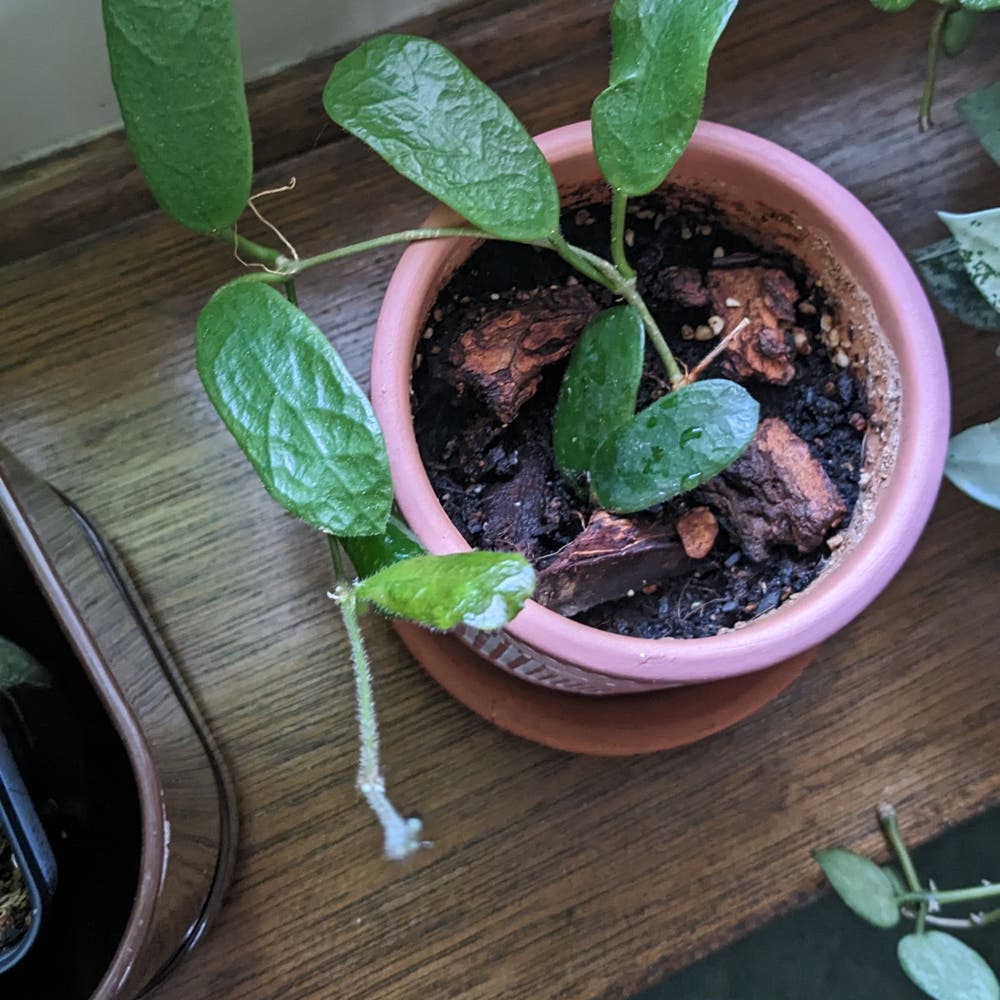
How to Plant Your Round-leaved Hoya
Hoya rotundiflora
By the Greg Editorial Team
Sep 28, 2024•5 min read
This article was created with the help of AI so we can cover more plants for you. May contain errors. See one? Report it here.
Unlock vibrant blooms and lasting health for your round-leaved Hoya 🌱 with these essential planting techniques!
- 🌱 Proper planting techniques ensure health and vitality for your round-leaved Hoya.
- 🌞 Spring and early summer are the best times to plant for optimal growth.
- 💧 Well-draining soil and drainage holes are essential to prevent waterlogging.
Importance of Proper Planting Techniques
Proper planting techniques are essential for the health and vitality of your round-leaved Hoya. When you plant correctly, you set the stage for healthier plants and more vibrant blooms.
🌱 Impact on Growth
Using the right methods can significantly enhance your plant's growth. Healthy roots lead to lush foliage and stunning flowers, making your gardening efforts truly rewarding.
🏆 Long-term Success
Establishing a strong root system is crucial for the longevity of your Hoya. A well-developed root network not only supports the plant but also helps it withstand environmental stresses over time.
By focusing on these foundational techniques, you ensure that your round-leaved Hoya thrives for years to come. Next, let’s explore the best practices for planting your new Hoya.
Planting New Round-leaved Hoya
🌱 Optimal Timing for Planting
Timing is everything when planting your Round-leaved Hoya. The best seasons are spring and early summer, as warmer temperatures promote healthy growth.
Align your planting with the plant's active growth phase to ensure it thrives. This synchronization can lead to more robust blooms and a healthier plant overall.
🪴 Selecting the Right Soil Mix and Container
Choosing the right soil mix is crucial for your Hoya's success. Opt for a well-draining soil that includes organic matter like peat or perlite to encourage healthy root development.
When selecting a container, ensure it has drainage holes to prevent waterlogging. The pot size should correspond to the plant's size, allowing enough room for growth.
📏 Proper Depth and Spacing for Planting
Planting depth matters significantly. Make sure the root ball is level with the soil surface to promote even growth.
For spacing, aim for 12-18 inches apart between plants. This distance allows for optimal air circulation and prevents overcrowding.
🌤️ Tips for Maintaining Ideal Growing Conditions
Creating the right environment is key to your Hoya's health. Provide bright, indirect light to support optimal growth.
Humidity levels should be maintained around 50-70%. This range helps replicate the plant's natural habitat, ensuring it flourishes.
Temperature is also important; aim for a range of 20°C to 30°C (68°F to 86°F) for the best results. Keeping these conditions in check will set your plant up for success.
🌳 Hardening Off Process Before Outdoor Planting
Before moving your Hoya outdoors, it's essential to harden it off. This process involves gradually acclimating your indoor plant to outdoor conditions.
Start by exposing it to 1-2 hours of outdoor shade. Over the next 7-10 days, gradually increase both exposure time and sunlight. Keep an eye out for any signs of stress or shock during this transition.
By following these steps, you’ll ensure your Round-leaved Hoya is well-prepared for its new environment. Next, let’s explore how to transplant established plants for continued growth and vitality.
Transplanting Established Round-leaved Hoya
🌱 Optimal Timing for Transplanting
Transplanting your Round-leaved Hoya is best done in early spring or fall. These seasons align with the plant's dormant phase, minimizing stress during the transition.
🛠️ Step-by-Step Instructions for Transplanting
Removing the Plant from Its Current Location
- Water the plant a day before transplanting to reduce stress.
- Carefully dig around the root zone to avoid damaging the roots.
- Gently lift the plant from its current pot or the ground.
Preparing the New Planting Site
- Choose a location that offers the right light and humidity levels.
- Amend the soil with organic matter to enhance drainage.
- Dig a hole that is twice the size of the root ball for ample space.
Ensuring Proper Placement and Spacing
Center the root ball in the hole to ensure even growth. Maintain a spacing of 12-18 inches from other plants to promote air circulation.
💧 Tips for Watering, Mulching, and Providing Support
After transplanting, water thoroughly and allow the top inch of soil to dry before re-watering.
Applying a layer of organic mulch helps retain moisture and regulate soil temperature.
If your plant is vining or tall, consider using stakes or trellises for support to encourage healthy growth.
Transplanting can be a rewarding experience, setting the stage for your Round-leaved Hoya to thrive. With the right care, your plant will flourish in its new environment. Next, let’s explore how to troubleshoot common issues that may arise during this process.
Troubleshooting Common Issues
🌱 Understanding Transplant Shock
Transplant shock is the stress plants experience after being moved to a new location. Common symptoms include wilting, yellowing leaves, and stunted growth.
🔍 Signs of Establishment Problems
Establishment problems can manifest as slow growth, leaf drop, or discoloration. It’s essential to check environmental factors like light, water, and soil conditions to identify the root cause.
🛠️ Solutions for Common Planting/Transplanting Issues
To address transplant shock, provide extra care by ensuring consistent watering and reducing light exposure initially.
For establishment problems, consider adjusting soil conditions, improving drainage, or modifying your watering practices to create a more favorable environment for your Round-leaved Hoya.
By being attentive to these issues, you can help your plant thrive and enjoy its beautiful blooms. Next, let’s explore how to effectively transplant your established Round-leaved Hoya.
⚠️ Safety First
This content is for general information and may contain errors, omissions, or outdated details. It is not medical, veterinary advice, or an endorsement of therapeutic claims.
Always consult a qualified healthcare professional before using any plant as food, medicine, or supplement.
Never eat any plant (or feed one to pets) without confirming its identity with at least two trusted sources.
If you suspect poisoning, call Poison Control (800) 222-1222, the Pet Poison Helpline (800) 213-6680, or your local emergency service immediately.
Spotted an error? Please report it here.
Plant your round-leaved Hoya with confidence 🌱—Greg's tailored care reminders will help you cultivate lush foliage and vibrant blooms effortlessly!