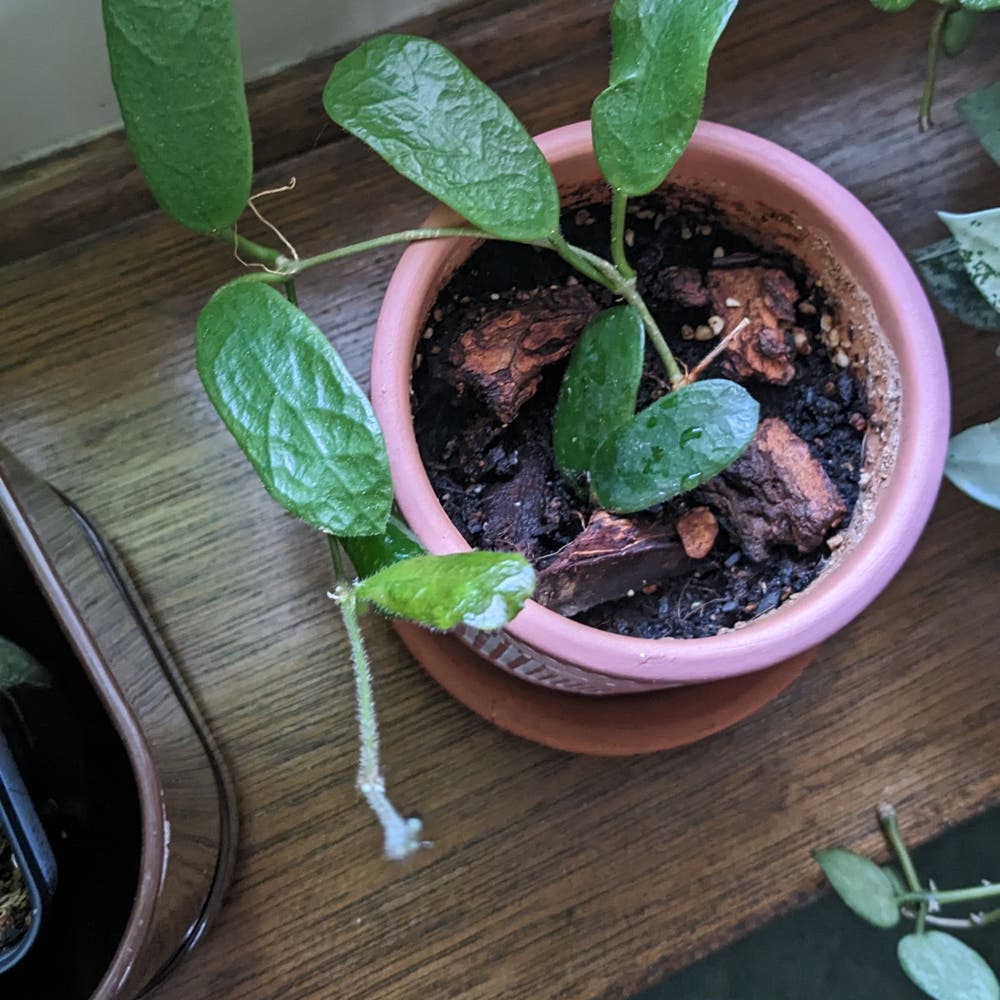
Am I Starving My Hoya rotundiflora? Fertilizing 101
Hoya rotundiflora
By the Greg Editorial Team
Jun 18, 2024•4 min read
This article was created with the help of AI so we can cover more plants for you. May contain errors. See one? Report it here.
Nourish your Hoya to full bloom 🌸 with our essential guide to perfect fertilizing!
- Higher phosphorus NPK (5:10:3) ideal for Hoya rotundiflora blooming.
- 🌱 Feed during growth cues, reduce in winter's dormant period.
- Recognize over-fertilization signs to prevent damage; flush soil if needed.
Picking the Right Food for Your Hoya
💡 Organic vs. Synthetic: Which is Best for Blooming?
When it comes to fertilizing your Hoya rotundiflora, you're faced with the organic versus synthetic dilemma. Organic fertilizers are the tortoises of the race—slow and steady, they enrich the soil and support the ecosystem within. But don't expect overnight miracles. Synthetics are the hares, offering quick results but potentially leading to salt buildup and root burn if you get heavy-handed. Your Hoya doesn't have a brand preference; it craves a balanced diet.
🍽️ The Perfect Fertilizer Blend for Hoya rotundiflora
Finding the ideal blend for your Hoya is less about brand worship and more about hitting the right nutrient balance. A water-soluble mix with a higher phosphorus content is your ticket to bloom town. Aim for a 5:10:3 NPK ratio—it's like the secret code to unlock those coveted flowers. Remember, it's not just about feeding; it's about feeding smart.
👩🌾 Understanding N-P-K Ratios for Flowering Plants
N-P-K ratios aren't just numbers; they're the blueprint for your plant's growth and blooming potential. Nitrogen (N) is for foliage, Phosphorus (P) for flowers, and Potassium (K) for overall health. For Hoya rotundiflora, phosphorus is the star of the show, so a higher middle number in the N-P-K ratio is what you're after. It's not rocket science, but it's close enough for plant enthusiasts.

Timing is Everything: When to Feed Your Hoya
🌱 Reading Your Plant's Growth Cues
Your Hoya rotundiflora is not shy about telling you when it's hungry. New leaves or vines? That's your cue to feed. But if your plant's as active as a sloth, hold the fertilizer. It's all about syncing with your Hoya's vibe.
📅 Seasonal Fertilization Strategies
Spring to fall, that's your Hoya's playground. It's prime time for the nutrient party. Come winter, it's more about the plant's downtime. This is when you should ease up on the feeding frenzy. Remember, your Hoya's appetite changes with the seasons.
🌬️ Adjusting Fertilization for Dormant Periods
When the temperature drops, your Hoya likes to chill. During these cooler, dormant periods, it's not just about feeding less—it's about feeding smarter. A light snack rather than a full meal will do. Keep an eye out for slowed growth or fewer new leaves, and adjust your fertilization accordingly.

Serving the Meal: How to Apply Fertilizer
🌱 Mixing It Right: Dilution Ratios for Hoya Health
Half-strength is the mantra when mixing fertilizer for your Hoya rotundiflora. The full dose is overkill—like pouring an espresso when a tea will do. Aim for a 5:10:3 NPK ratio during the growing season to encourage those coveted blooms.
🌿 Application Techniques to Maximize Uptake
Moist soil is your starting point; it's the welcome mat for nutrients. Apply the diluted solution in a gentle, circular motion around the plant base. This method ensures the roots get their fill without the shock of a nutrient tsunami.
🚫 Common Mistakes to Avoid During Fertilization
Over-application is the rookie mistake. It's like dumping the entire spice rack into your stew. Remember, less is more—your Hoya isn't running a marathon; it's on a leisurely stroll. And never fertilize dry soil; that's a one-way ticket to root burn city.

Too Much of a Good Thing: Recognizing Over-Fertilization
🚨 Spotting the Telltale Signs in Your Hoya
Yellowing leaves, browning at the tips, or a white crust on the soil—these are your Hoya's distress signals. If the leaves are wilting but the soil feels like a wet sponge, you've likely gone overboard with the fertilizer. And when the roots look like they've been through a horror flick—dark and limp—it's a clear cry for help.
🚑 Immediate Steps to Take if You've Overdone It
Stop the fertilizer frenzy immediately. It's time for a plant detox. Flush the soil with water to wash away the nutrient excess; think of it as a cleanse for your Hoya's system. If the leaves are damaged, trim them. They're not coming back to life, and your plant can focus on new growth. For potted plants, consider a change of scenery with fresh soil. It's like hitting the reset button.
🌱 Long-Term Recovery for Over-Fertilized Hoyas
Patience is your new best friend. Hold off on the fertilizer for a few weeks—let your Hoya recover at its own pace. Keep an eye on the watering, ensuring the soil dries out a bit between drinks. And remember, this isn't a race to the lushest plant on the block. It's about nurturing your Hoya back to health with a gentle touch and a watchful eye.
⚠️ Safety First
This content is for general information and may contain errors, omissions, or outdated details. It is not medical, veterinary advice, or an endorsement of therapeutic claims.
Always consult a qualified healthcare professional before using any plant as food, medicine, or supplement.
Never eat any plant (or feed one to pets) without confirming its identity with at least two trusted sources.
If you suspect poisoning, call Poison Control (800) 222-1222, the Pet Poison Helpline (800) 213-6680, or your local emergency service immediately.
Spotted an error? Please report it here.
Nourish your Hoya rotundiflora just right with Greg's reminders for the ideal fertilization schedule 🌿, avoiding over or underfeeding for a thriving, blooming plant.